

Aseptic Bag in Box Supplier: Your Partner for Safe and Efficient Liquid Packaging Solutions
2026-07-16
In the fast-paced world of liquid packaging, maintaining product integrity while optimizing shelf life is no small feat. That’s where Kody steps in—not just as a supplier, but as your dedicated partner in aseptic bag-in-box solutions. With a focus on safety, sustainability, and seamless integration, Kody’s systems are redefining how liquids are stored and transported. Curious how this technology can transform your operation? Read on.
Understanding the Aseptic Advantage: Freshness Without Preservatives
The aseptic process works behind the scenes to keep products tasting fresh, without any reliance on artificial additives. It starts by sterilising the product and its packaging separately, then bringing them together in a controlled, microbe-free environment. This means what you pour or scoop out hasn't been sitting in preservatives—it’s simply been protected from spoilage since the moment it was sealed.
What often surprises people is how this method actually preserves more than just shelf life. Because the filling happens at ambient temperatures after a quick, precise heat treatment, delicate flavours, colours, and nutrients aren't subjected to prolonged high heat. The result is a product that tastes remarkably close to its just-prepared state, even months later—something that traditional canning or heavy preservative loads can struggle to match.
There’s a quiet confidence in knowing that the food in your pantry hasn’t been altered by chemical preservatives or excessive processing. Aseptic packaging doesn't just lock out spoilage—it locks in the original character of the ingredients, allowing what's inside to speak for itself. It’s a practical, elegant solution that puts the focus back on freshness, exactly where it belongs.
Bag-in-Box vs. Traditional Packaging: An Efficiency Comparison
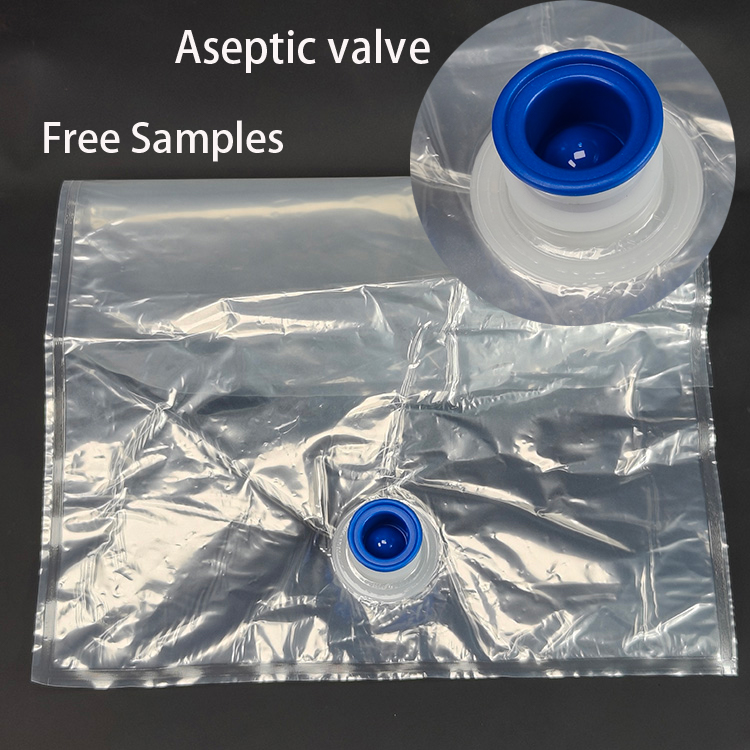
Switching to Bag-in-Box isn't just a minor upgrade—it's a fundamental shift in how liquids get from the production line to the end user. Traditional rigid containers, whether glass bottles or plastic jugs, waste an enormous amount of space even when empty. Bag-in-Box collapses as it dispenses, meaning shipping and warehousing costs drop dramatically because you're not hauling air. A standard pallet of wine in bottles might have 30% of its volume taken up by glass and air gaps, while the same pallet packed with Bag-in-Box units can hold nearly double the liquid. That alone rewrites the logistics equation for distributors who are tired of paying freight on packaging weight instead of product.
Filling speeds tell another story that traditional packaging can't match. Rigid containers require careful handling to avoid breakage and often need a separate capping or sealing step that bottles or jars demand. With Bag-in-Box, you're essentially filling a flexible bladder inside a corrugated shell—a continuous, high-speed process that can triple output on the same line footprint. There's no glass shattering, no label alignment headaches, and the whole system adapts to different volumes without swapping out expensive molds. Winemakers and juice producers who make the switch often find they can package the same volume in half the shift, freeing up labor for other tasks.
Then there's the quiet efficiency of product protection. Once opened, a bottle's contents are on a countdown to oxidation; a Bag-in-Box keeps the remaining liquid sealed away from oxygen because the bag collapses. For restaurants or households that don't finish a bottle in one go, that means less waste and more consistent quality over weeks instead of days. Add in the fact that empty bags and boxes compact flat for disposal—no bulky glass to haul away—and the entire lifecycle tilts heavily in favor of Bag-in-Box. It's not just a packaging choice; it's a rethink of what efficiency actually means from fill to finish.
Tailoring Your Packaging: Options for Any Liquid Product
Every liquid has its own personality—some are thick and slow-moving, others frothy or highly sensitive to light. Matching the packaging to the product isn’t just about holding the contents; it’s about preserving quality, ease of use, and shelf appeal. From squeeze bottles with precise nozzles for gels and syrups to pump dispensers that portion out foaming cleansers, the right choice can make daily routines feel effortless. Even subtle details like the neck finish or cap lining can mean the difference between a reliable seal and a messy leak.
The Technology That Keeps Your Products Safe from Fill to Finish
From the moment a product is filled into its container, a web of advanced sensors and automated checks kicks in to prevent contamination and ensure seal integrity. These systems measure fill levels with laser precision, detect microscopic leaks, and verify cap torque—all at production speed. What makes them effective is their ability to learn from the data they collect, adapting to slight variations in bottle shape or product viscosity without missing a beat.
Beyond the individual unit, vision inspection and X-ray systems scan for physical defects—glass fragments, missing labels, or packaging anomalies—that human eyes might overlook. The real safeguard lies in the feedback loop: when a fault is detected, the machine communicates instantly with upstream and downstream equipment, pulling defective items from the line and adjusting settings to prevent recurrence.
This chain of protection extends through palletizing and warehousing, where smart tracking confirms that only approved products make it onto the truck. By weaving real-time monitoring with predictive analytics, the technology doesn’t just catch issues—it helps prevent them, ensuring what reaches the consumer matches the quality that was intended at the start.
Eco-Conscious Packaging: Lower Impact, Higher Performance
Sustainability no longer forces brands to choose between environmental responsibility and product protection. Advances in material science have unlocked packaging solutions that slash carbon footprints while actually outperforming conventional alternatives. Lightweight bio-based films, molded fiber inserts, and mono-material pouches now deliver the same durability and shelf appeal as their plastic-heavy predecessors—often with better barrier properties and lower total cost of ownership.
The real breakthrough lies in rethinking structure, not just swapping materials. By eliminating unnecessary layers and designing for disassembly, manufacturers achieve significant source reduction without sacrificing strength. For example, precision-engineered corrugated solutions use up to 20% less fiber while passing edge crush tests that bulkier boxes fail. Similarly, compostable flexible packaging now withstands rough handling in e-commerce supply chains, proving that “green” no longer equals “flimsy.”
Consumers notice the difference, and their loyalty follows. Unboxing experiences that feel premium yet clearly signal environmental care boost brand perception in measurable ways. When packaging performs better and leaves a lighter footprint, it tells a story customers want to support—turning a logistical necessity into a genuine competitive advantage.
Beyond Supply: A Partner in Your Operational Success
We don’t just deliver components; we embed ourselves in your workflow, analyzing every stage to spot inefficiencies before they surface. By aligning our logistics with your production cadence, we help you avoid downtime—not through reactive fixes, but by predicting what you’ll need next.
Our team invests time in understanding your long-term objectives, so the solutions we propose aren’t generic packages; they’re built around your unique challenges. Whether it’s rethinking inventory buffers or synchronizing multi-site deliveries, each adjustment is grounded in your operational reality.
This collaborative approach turns procurement from a checklist item into a strategic lever—one that strengthens your capacity to scale, adapt, and outperform. The result isn’t just a steady supply chain; it’s a quieter, more confident operation where resources flow exactly as planned.
FAQ
It keeps contents sterile from filling to dispensing, using a closed system that blocks contaminants and light, so shelf life extends without preservatives or refrigeration.
Our bags feature high-speed filling fitments and stackable boxes that integrate smoothly into existing lines, cutting downtime and maximizing throughput per square foot of storage.
We handle a broad viscosity range—from juices and dairy to sauces and purees—thanks to customized film structures and fitments that prevent channeling or clogging.
Absolutely. Whether you use hot fill, ambient, or extended shelf life processes, we engineer the spout and film combination to match your exact thermal and mechanical demands.
We offer on-site technical audits, pilot trials, and remote troubleshooting so your team masters the aseptic process, not just the package. Long-term partnerships matter more than transactions.
It reduces plastic weight by up to 80% over bottles, ships flat to lower freight emissions, and our mono-material films are designed for emerging recycling streams.
Every lot passes inline vision checks and sterilization validations. We retain traceable samples and share detailed certificates, so you never second-guess performance.
Because you gain months of ambient shelf life, slash cold chain costs, and free up warehouse space—all while delivering a splash-free, easy-to-use product that consumers appreciate.
Conclusion
When you need to preserve the integrity of liquid products without refrigeration or preservatives, an aseptic bag-in-box supplier becomes more than a vendor—it becomes a strategic ally. The aseptic process locks in freshness by sterilizing the product and packaging separately before filling in a sterile environment, ensuring flavor, nutrients, and color remain intact for extended shelf life. This method outperforms traditional rigid containers in storage and transport efficiency, reducing weight and cubic volume while minimizing breakage. Bag-in-box systems maximize space utilization, lowering logistics costs and carbon footprint. Advanced equipment and meticulous quality controls—from the filling head to the sealed tap—ensure every package maintains sterility and performance until the moment of use.
Beyond the technical merits, a true partner tailors solutions to your exact product—whether it's dairy, juices, sauces, or concentrates—offering flexible film structures, fitments, and fill volumes. Such customization streamlines your operation without compromising safety. Equally important, modern bag-in-box packaging aligns with sustainability goals: it uses less material, generates minimal waste, and improves product-to-package ratios. Yet the right supplier delivers more than packaging; they provide reliability, responsive service, and collaborative problem-solving to keep your production running smoothly. That ongoing commitment turns a packaging supply into a foundation for your brand's growth and resilience in competitive markets.
Contact Us
Contact Person: Cindy Lee
Email: [email protected]
Tel/WhatsApp: 8613622669331
Website: https://www.dgkody.com