

Automatic Die Making Steel Rule Die Bender Machine Manufacturer Guide to Smarter Die Production
2026-11-19
Ask any packaging or gasket converter about their die-making bottleneck, and steel rule bending is usually the answer. Manual bending works, until it doesn’t—angles drift, operators slow down, and every rushed order exposes the same hidden costs. Automatic die making changes that equation. In this guide to smarter die production, we break down how automatic steel rule die bender machines actually improve repeatability, shorten lead times, and reduce reliance on skilled hands. Along the way, we highlight what separates serious equipment builders from commodity suppliers, including why ADEWO has become a name worth watching among manufacturers that need production-ready bending, not just demo-floor promises.
Where Manual Habits Still Follow Your Team Into Automated Bending
The press brake shows a clean bend, but the operator still reaches for the protractor. That reach says more about the shop than the machine does. Even after the cell was installed, the old habit of checking every angle by hand hung around because nobody ever replaced the trust that used to live in a scribe line and a flashlight.
Some of that carried-over instinct is useful, but much of it turns into delay. A programmer who learned on a manual brake will often add extra passes or bump the tonnage just to be safe, even when the offline software already accounted for grain direction and springback. Those safety margins stack up, and the machine ends up running a manual process with a robot loading it.
The harder part is the quiet knowledge that never made it into the setup sheet: the sound of a blank seating, the feel of a clamp, the slight twist someone corrected without noting it. Automation does not erase that knowledge, it just stops asking for it. Teams that bend well after the switch are usually the ones that spent time turning those personal habits into named parameters, sensor checks, and tooling notes before the old hands walked away.
Reading Bender Specs Without Getting Distracted by Demo Accuracy
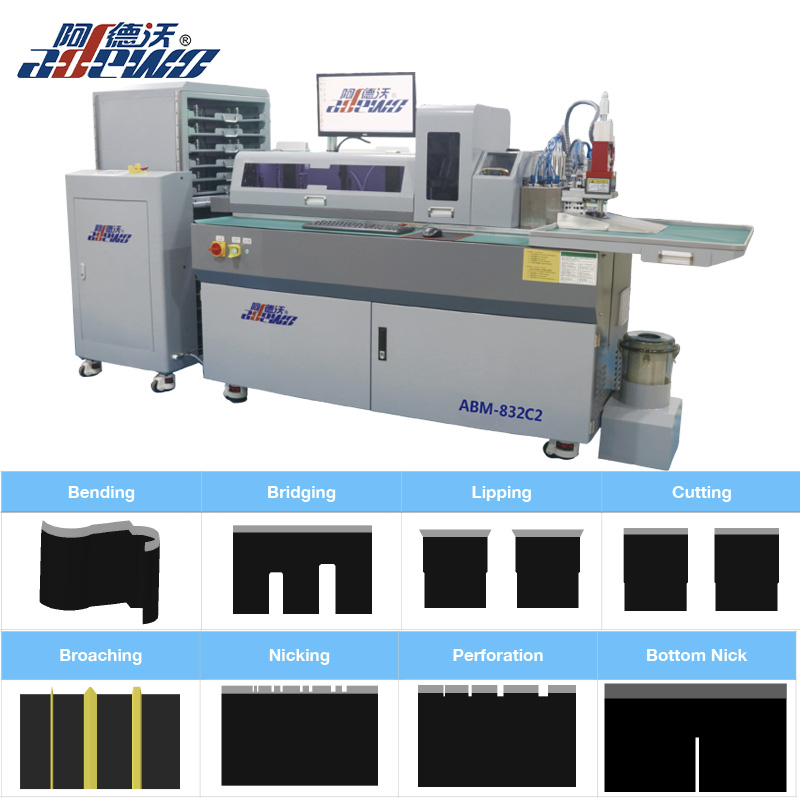
When you open a spec sheet for a pipe bender, the first thing that jumps out is usually the claimed bend accuracy. A manufacturer might promise ±0.1 degrees, and the demo video shows a flawless sequence of bends. But real shops rarely match that because the material itself has springback, the dies wear, and the operator's setup time changes everything. Instead of chasing the perfect number, look at how the spec is measured: is it under ideal conditions with a single tube batch, or does it account for mixed alloys and long production runs? The demo is a sales tool, not a work instruction.
A more useful approach is to compare the structural specs first. Check the frame rigidity, the type of drive system, and whether the control allows you to adjust for springback per material. Those are the details that determine whether you can repeatedly get close to the claimed accuracy without babysitting the machine. If the spec sheet buries those numbers under a wall of marketing copy, that tells you more about the machine than any demo ever could.
Finally, ask for a test bend with your own material, or at least with a similar wall thickness and hardness. That single test run, even if it's not perfectly accurate on the first try, reveals how the machine handles real-world variables. If the supplier hesitates or insists the demo is enough, treat that as a spec in itself: one that says the accuracy claim may not survive contact with your floor.
Matching the Machine’s Real Capabilities to the Jobs You Actually Quote
Most shops know what their machines were rated for on paper, but the real limits show up in the jobs that get quoted week after week. A machining center may have the travel to swallow a 24-inch plate, yet chatter, spindle load, or coolant pressure can make that part a slow, unreliable job. The quoted work often drifts toward parts that are close enough to the machine’s envelope without accounting for how the cutter, fixture, and material actually behave. Over time, that gap between listed specs and day-to-day performance becomes the source of missed deliveries and scrapped parts.
Quoting should start with the machine’s working strengths, not its brochure numbers. That means paying attention to the cuts the machine holds comfortably, the tolerances it repeats without constant offsets, and the batch sizes that fit the toolchanger and workholding. A job that needs tight bores in stainless at the edge of the table is a different risk than a similarly sized aluminum part with open tolerances. If the shop has data from previous runs—probe reports, surface finish checks, tool wear patterns—that history gives a far better reference than a generic capabilities list.
A practical fix is to keep a short, honest capability sheet built from actual jobs, not hopeful guesses. List the envelope, materials, and accuracy levels the machine handles without heroic effort. When a new quote sits outside those lines, either price the extra risk or pass on it. The goal is not to win every job, but to win jobs the machine can run smoothly and profitably. That keeps scheduling predictable, quality consistent, and the quotation process grounded in what the equipment actually does.
Tooling, Setup, and the Small Routines That Keep Automated Bending Accurate
Most bend accuracy problems do not start at the controller. They start with a die shoulder that has picked up a small scar or a punch that is not fully seated against the holder. Before trusting an automated sequence, measure the first test piece and look at the mark left by the backgauge fingers. If the workpiece moved at all during clamping, the bend line shifts enough to scrap a tight-tolerance part. Simple habits around cleaning tool seats, confirming clamp pressure, and checking the actual punch height correct many issues that get blamed on software compensation.
Setup is where the machine's assumptions meet the material. A sheet that measures 0.118 in. instead of nominal 0.125 in. changes the inside radius and forces a different bend deduction. Rather than adjusting radius values by feel, run a short bend test on the actual stock and let the measured angle correct the Y-axis and springback table. Tooling selection matters just as much: using a narrow V-die for a radius-critical part or switching to a hardened punch for high-strength material avoids the slow drift that looks like machine error but is really the wrong setup for the job.
The routine work keeps automated bending from walking out of tolerance over a shift. Park the backgauge off the part between bends, check air pressure to the clamps, wipe zinc or mill scale from the die shoulders, and make sure the ram returns to the same home position after a power cycle. These adjustments are not exciting, but when a cell runs unattended, the difference between repeatable parts and intermittent rejects often comes down to clean tooling seats and a first bend verified against the actual material instead of the spec sheet.
The CAD File to Finished Rule Handoff That Usually Needs a Rework Pass
The handoff from a CAD file to a finished part looks tidy on the routing sheet but rarely survives first contact with the shop floor. Dimensions that were locked in the model become open questions once material thickness, bend radius, or plating allowance drifts from the drawing. The file says one thing; the press brake operator compensates for another, and the notes stay untouched until the first article fails inspection.
Most rework passes trace back to rules that live in someone’s head rather than in the file. A designer knows powder coat adds a few thousandths and quietly adjusts the model. Production never sees that adjustment, or the next revision wipes it out. By the time QA checks the measured part, the gap between the CAD nominal and the real surface has become the actual spec, and that spec was never written down.
Fixing the handoff means carrying the manufacturing rules into the file itself, not attaching them as a PDF note that gets skipped. Critical-to-function surfaces need clear callouts, secondary processes that change size belong in the model comments, and the tolerance block has to match what the floor can actually hold. Otherwise the quick job keeps coming back for another pass, and the rework cost gets folded into every quote.
Signs Your Die Production Workflow Is Limiting the Shop More Than the Bender
When a press brake sits idle while an operator hunts for shims, punches a different die set than the print calls for, or waits on a toolroom ticket that should have been closed yesterday, the machine is rarely the bottleneck. The signs tend to show up in small, repeated delays: setups that consume forty minutes but only produce twelve parts, dies staged in three different locations depending on who unloaded the truck, and tribal knowledge about which punch holder works best with a given material. Those issues do not point to tonnage or stroke limits. They point to a workflow that has grown around habits instead of around the actual sequence of work.
Another clear indicator is the growing pile of workarounds. If the shop has developed a color-coded note system, a spreadsheet that only one person understands, or a rule that certain jobs must be scheduled on certain machines because the tooling flow is too unpredictable, the die production process is likely subtracting more capacity than the bender itself. A healthy workflow makes the next die, the next setup instruction, and the next material location boringly predictable. When the daily routine depends on people filling gaps with experience and favors, the equipment is no longer the constraint worth fixing.
FAQ
The core difference comes down to repeatability and speed. A manual setup depends heavily on the operator's feel, so even a skilled technician will produce slight variations over a long run. An automatic bender follows programmed angles and positions, so the same notch or bend lands within a much tighter tolerance every time. Shops usually see fewer misfits during die assembly and less time spent filing or adjusting rules on the bench.
Complex layouts often require dozens or hundreds of small bends in sequence. The automatic system stores the coordinates and bend sequences, then drives the rule through controlled feed and bending stations. Because the rule is positioned mechanically rather than by eye, errors from misread measurements or fatigue drop significantly. It also helps when you have mirrored or repeated shapes, since the same program can be reused without re-measuring.
Most machines are built around common steel rule stock, including center bevel, side bevel, and various heights from roughly 8 mm up to 50 mm or more depending on the model. Some can process coated or stainless rules, but it is worth confirming the feed rollers and bending pins are suited to the specific material before buying. A good manufacturer will test your actual rule samples instead of giving a generic yes.
The specification sheet tells one part of the story, but service and training usually matter more in daily use. Look for a supplier that offers hands-on setup support, clear documentation, quick access to replacement parts, and software updates that do not require a service call every time. It also helps if they have experience with the type of die work you actually produce, whether that is packaging, gaskets, labels, or something less common.
For most operators, the learning curve is shorter than expected. The bigger shift is not running the machine but preparing clean CAD files and trusting the programmed sequence. Once the operator understands how the software interprets the bend direction and tooling offsets, the physical work becomes much lighter. Many shops keep one experienced rule bender involved during the transition to catch details that might not be obvious in the file.
Daily upkeep is fairly simple: keep the feed path clean, check for steel slivers or debris around the cutting and bending units, and inspect wear-prone parts like pins and rollers. Lubrication schedules and calibration checks should follow the manufacturer's guidance. Most accuracy problems come from dirty sensors, dull cutting edges, or loose mechanical settings rather than electronic failure, so regular inspection prevents a lot of downtime.
Yes, but capability varies by model. Very short segments can be tricky because the rule needs enough material for the clamp and feed mechanism to hold securely. Some machines have special tooling or software modes for tight work. If your dies regularly include tiny tabs or unusual angles, ask the manufacturer to run a sample program using your actual CAD data before making a decision.
It removes a lot of the invisible rework that slows down die assembly. Instead of spending time correcting rule angles or recutting pieces that do not fit the board, the team can focus on higher-level work like planning, quality checks, and faster turnaround. The machine also captures job data, which makes repeat orders quicker and helps new operators produce consistent results without years of trial and error.
Conclusion
Smart die production rarely starts with the bending machine itself. It starts with noticing how manual habits still travel into automated work: operators trust a familiar fold sequence, override a program, or measure only the first part and assume the rest will follow. Those habits quietly erode the speed and consistency that a steel rule bender is supposed to deliver. At the same time, many shops read specification sheets too narrowly. Demo accuracy under ideal conditions says little about how a machine will hold corners, repeat small radii, or behave with the actual steel rule your jobs require. A more useful approach is to match machine capabilities to the work you actually quote, not to the flashiest sample shown during a trial.
That matching needs to continue after installation. Tooling condition, quick-change setup routines, and small daily checks often matter more than raw bending speed. If operators are fighting dull punches or inconsistent backgauges, no amount of automation will fix the output. The CAD-to-finished-rule handoff is another place where rework hides. Files arrive with open vectors, mismatched layers, or bend allowances that were never adjusted for the actual rule thickness, so the machine gets blamed when the process was already set up to fail. When late orders, extra bench work, or repeated program edits become normal, the real limit is usually the workflow around the bender, not the bender itself. A smarter die production guide therefore treats automation as a system: machine, tooling, file preparation, setup habits, and shop-floor routines all have to move together.
Contact Us
Contact Person: KAELYN LEE
Email: [email protected]
Tel/WhatsApp: +86 15012673758
Website: https://www.china-adewo.com