

Best Organic Fertilizer for Lush, Healthy Plants and Rich Soil
2026-10-22
Most gardeners don’t have a soil problem—they have a fertilizer problem. The wrong blend can leave plants pale, roots weak, and soil lifeless. But switch to a truly organic option built for both plant vigor and soil biology, and everything changes. That’s the promise behind Tundrr, and it’s why so many home growers are making the switch. Here’s what to look for in the best organic fertilizer—and how the right choice leads to lush, healthy plants and rich, living soil without the guesswork.
Why Most Organic Fertilizers Fail (And How to Pick One That Won't)
The main reason many organic fertilizers underperform isn't that they lack nutrients—it's that those nutrients are locked up in forms plants can't access quickly enough. Raw manures, unfinished composts, and cheap plant meals often have carbon-to-nitrogen ratios that keep soil microbes busy decomposing rather than releasing nitrogen to your crops. In the first few weeks after application, your plants may actually show nitrogen deficiency because the microbes are tying up available N. Add to that inconsistent particle sizes and moisture levels, and you get a product that breaks down unevenly, leaving some areas overfed and others starved.
Another common failure is misleading labeling. A bag may boast '5-5-5' but derive half its phosphorus from rock phosphate that takes years to become available in neutral or alkaline soils. Similarly, some organic fertilizers are mostly fillers—sawdust, bark, or sand—with a tiny percentage of actual nutrient sources. These products might improve soil structure over time, but they won't satisfy a hungry tomato plant this season. To pick a fertilizer that actually works, look for ingredients that are already decomposed or easily broken down: fish meal, feather meal, alfalfa meal, composted poultry litter, or worm castings. Check the guaranteed analysis, but also read the ingredient list; if it's vague like plant byproducts or organic matter, treat it as a red flag.
The best approach is to match the fertilizer's release rate to your plants' growth stage. Fast-growing leafy greens need nitrogen available within two to three weeks, so choose a product with a significant portion of nitrate or ammonium from composted sources. For perennials or slow feeders, a blend with more stable humus and mineralized nutrients works fine. Don't chase the highest NPK numbers; instead, look for a C:N ratio below 15:1 in the final product, low moisture content to avoid clumping, and a smell that is earthy rather than ammonia-like or sour. And always do a small jar test: mix a spoonful with damp soil, seal it, and check after three days—if it grows fuzzy mold but no earthy smell, the biology is off. A quality organic fertilizer should smell like a forest floor after rain, not like a feedlot.
The Overlooked Soil Amendment That Turns Sand into Sponge
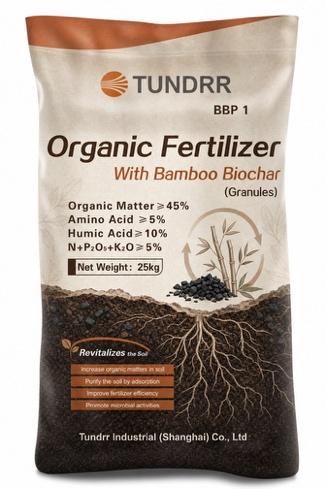
Most gardeners curse sandy soil for its sieve-like behavior. Water and nutrients vanish within hours, leaving roots gasping. Yet there's a low-cost, time-tested fix hiding in plain sight: biochar. This charcoal-like substance, made by heating organic waste without oxygen, has a porous structure that acts like an underground sponge. One gram can hold several times its weight in water.
Unlike compost or peat moss, biochar doesn't break down quickly. It remains stable in the soil for decades, slowly building a reservoir of moisture and microbial life. Researchers in tropical sandy plots found that adding just 5% biochar by volume raised water retention by over 20%. Farmers see healthier seedlings, fewer wilting episodes, and less need for daily irrigation.
What makes this amendment so neglected? Partly because it's not a nutrient itself, so its effects are indirect. But when you mix biochar with compost or manure before applying, the char soaks up nutrients and releases them slowly. The result: sand that finally holds onto the good stuff instead of flushing it away. For anyone struggling with dusty, fast-draining beds, this is the quiet hero worth trying.
Manure, Compost, or Castings? A Side-by-Side for Real Gardens
Manure sounds like an easy win until you shovel fresh horse or chicken waste onto a bed and watch your lettuce bolt or burn. Raw manure carries high ammonia and can be too hot for roots, not to mention weed seeds and pathogens if it hasn't aged long enough. Compost, the dark crumbly stuff from a well-managed pile, is safer and more forgiving—it feeds soil life slowly and improves texture without the drama. If you only have room for one amendment, aged compost beats raw manure every time.
Worm castings are a different animal. They look like coffee grounds, smell like forest floor, and pack a microbial punch that compost can only dream of. Because castings are already digested by worms, nutrients release at a trickle, so you can use them around seedlings or in potting mixes without burning anything. The downside is cost and weight—buying enough castings to cover a whole garden gets expensive fast, and they don't add much bulk or organic matter compared to compost.
So what works best in a real garden? Use aged manure in fall on heavy feeders like corn or squash beds, then let winter mellow it. Lean on compost as your all-purpose soil builder and mulch topper. Save castings for seed starting, transplant holes, or a mid-season boost for tomatoes and peppers. Mixing all three is common, but if you're on a budget, put your money into good compost first and treat castings as a targeted tonic rather than a base layer.
Feeding Soil Microbes: The Unseen Workforce Behind Lush Leaves
A teaspoon of healthy garden soil contains more microscopic life than there are humans on the planet, yet these tiny workers rarely get the credit for the glossy leaves we admire overhead. Plants don’t photosynthesize in isolation—they actively trade with the bacteria and fungi around their roots. Through root tips, they leak sugars, amino acids, and organic acids, a kind of underground currency that attracts specific microbial communities. In exchange, those microbes mine the soil for nitrogen, phosphorus, and trace minerals, converting them into forms roots can absorb. Starve this hidden workforce, and even the most carefully watered plant will struggle to push out anything beyond thin, lackluster foliage.
Feeding these microbes isn’t about buying expensive bottled formulas. It means giving them a steady diet of organic matter: chopped leaves, aged compost, root residues left in place after harvest. When you spread a layer of mulch, you’re not just suppressing weeds—you’re laying a buffet for an entire food web. Fungi thread through the decaying material, bacteria bloom in the moist layer below, and protozoa graze on them, releasing plant-ready nutrients as waste. This slow, living process builds crumbly soil that holds water without drowning roots, allowing fine root hairs to stretch deep. The result shows up weeks later as thicker stems, deeper green blades, and leaves that seem to catch light rather than just reflect it.
DIY Fertilizer Blends That Smell Better Than Store-Bought
Most commercial fertilizers stink because they rely on anaerobic breakdown or cheap fillers like blood meal and fish emulsion. A DIY blend can sidestep that swampy smell by using pantry items that naturally mellow over time. Start with a base of used coffee grounds, chopped banana peels, and crushed eggshells. Then add a cinnamon stick or a few strips of orange peel before soaking everything in water. The spice and citrus act like a gentle deodorizer, leaving your bucket smelling more like leftover mulled tea than a compost pile.
For a balanced liquid feed, combine one part coffee grounds with one part banana peels in a large jar. Add two crushed eggshells, a tablespoon of unsulfured molasses, and one cinnamon stick. Fill the jar with water, stir daily, and strain after three days. The molasses feeds beneficial microbes while giving the liquid a faint caramel undertone that masks the sharper notes from the grounds. Dilute the strained liquid at a rate of one cup per gallon of water before using it on vegetables or houseplants.
Acid-loving plants like blueberries and camellias do well with a fruity-smelling blend. Mix one part apple cider vinegar with two parts water, add a spoonful of coffee grounds, and drop in a few fresh orange peels or two drops of orange essential oil. Let it sit for 24 hours, then strain and dilute one cup of the concentrate in a gallon of water. The orange peel brightens the vinegar’s sharp edge and leaves a light citrus scent on the soil for about a day after watering.
When to Apply Organic Fertilizer for Maximum Root and Leaf Response
Timing organic fertilizer applications around root and leaf growth phases makes a noticeable difference in how plants respond. For most perennials and shrubs, early spring works best—just as soil temperatures climb above 50°F and root activity kicks in before top growth explodes. A second light feeding in early summer supports the leaf flush, but avoid pushing nitrogen after midsummer unless you're growing heavy feeders like leafy greens or container annuals that need continuous nutrition.
Pay attention to plant signals rather than the calendar alone. Root crops such as carrots and beets benefit from a split application: half at planting and half when tops reach four to six inches, which boosts both taproot expansion and leaf health without excessive top growth. For fruit trees, wait until petal fall before fertilizing—feeding during bloom can favor leaves over fruit set. If you're using slow-release organic blends, one application in late spring often carries through the entire season, letting soil microbes regulate nutrient availability as roots demand it.
Container plants and raised beds respond best to smaller, more frequent applications timed to irrigation cycles. A monthly dose of compost tea or fish emulsion from late spring through early fall keeps both root mass and leaf canopy in balance. Stop all feeding about six weeks before your first expected frost; this shifts energy into root hardening rather than tender new growth that winter will damage.
FAQ
Organic fertilizers feed the soil life first. They release nutrients slowly as microbes break them down, so plants get a steady supply instead of a quick spike. Over time, this builds crumbly, dark soil that holds moisture and resists compaction, which synthetic salts can't do.
Well-aged compost tea or fish emulsion tend to work quickly because the nutrients are already in liquid form. Alfalfa meal is another gentle option. Since they're low in salt and rely on biological activity, you're less likely to see leaf tip burn even if you apply a little extra.
Yes, but choose odorless options like worm castings or a balanced pelletized blend made from kelp and bone meal. Mix a small amount into the top inch of potting soil and water lightly. Avoid liquid fish products indoors unless the room is well ventilated.
For heavy feeders like tomatoes and peppers, side-dress with compost or a granular organic blend every four to six weeks. Leafy greens usually do fine with a single application at planting plus a mid-season compost top-up. Always stop high-nitrogen feeds a few weeks before harvest.
Nothing beats finished compost mixed with a little aged manure. For sandy soil, it increases water retention; for clay, it opens up air pockets. Add two to three inches each season and let earthworms do the tilling. You'll notice the soil becomes easier to work within a year.
Some raw meals like bone meal or blood meal can attract dogs, raccoons, or flies if left on the surface. To avoid this, mix them into the top few inches of soil or cover with mulch. Well-composted products and worm castings rarely cause problems.
Absolutely. Banana peels soaked in water for a few days make a potassium-rich liquid feed for flowering plants. Crushed eggshells add calcium. A simple worm bin turns vegetable scraps into castings that outperform many store-bought products. Just let everything break down before use.
A balanced blend like 4-4-4 or 5-5-5 made from alfalfa meal, bone meal, kelp, and soft rock phosphate covers most needs. Use it at planting time and again when plants start flowering. For leafy growth, lean toward a bit more nitrogen; for fruiting, a bit more phosphorus and potassium.
Conclusion
Most organic fertilizers fail because they dump soluble nutrients that leach out before roots catch them, or they pad the bag with cheap fillers. What actually works is choosing amendments that improve soil physics as much as chemistry: a few shovelfuls of well-rotted compost or a handful of biochar can turn a sandy, thirsty bed into a moisture-holding sponge. In side-by-side garden plots, aged manure slowly builds phosphorus, compost opens heavy soil, and worm castings provide a microbial boost that doesn't burn young transplants. Yet none of that matters without feeding the soil life itself—bacteria, fungi, and protozoa are the unseen workforce converting organic matter into lush, deep-green leaves, so skipping the molasses or kelp meal is a missed opportunity.
You can make better fertilizer at home with alfalfa meal, soft rock phosphate, and a little neem or crab shell; the mix smells earthy rather than acrid and releases nitrogen at a pace roots can handle. Timing is the final lever: apply a light top-dress when soil warms in spring and again after the first flush of flowers or fruit, when plants push new feeder roots. A diluted liquid feed every two to three weeks keeps growth steady without the lush-then-crash pattern of synthetic spikes. The real goal isn't a label number but a crumbly, living soil that holds water, feeds roots, and keeps regenerating season after season.
Contact Us
Contact Person: Ellen Zhang
Email: [email protected]
Tel/WhatsApp: +86(21) 2287 6756
Website: https://www.tundrr.com/en/