

Best Storage Tank Options for Safe and Reliable Water Storage
2026-09-29
Choosing the right storage tank isn’t just about capacity—it’s about protecting every drop you rely on. From emergency preparedness to daily agricultural use, the wrong tank can lead to contamination, leaks, or costly maintenance. In this guide, we break down the safest and most dependable options available, and show why DYE tanks stand out where others fall short.
Potable or Utility Storage Is the First Fork in the Road
The first real decision you face when setting up water storage isn't about tank size or placement—it's about what the water will be used for. Potable storage means water that's safe to drink and cook with, while utility storage covers everything from flushing toilets to watering plants. This split shapes every choice that follows, from the materials you choose to the way you treat the water over time.
Many people assume they can simply store one big supply and use it for everything. But potable water demands a higher standard of cleanliness and a more careful rotation schedule. Utility water, on the other hand, can be drawn from rain barrels, greywater systems, or even untreated wells. Mixing the two risks contamination, and treating all of your stored water to drinking standards wastes time and resources.
It's a fork in the road because it forces you to define your actual needs. How much water do you truly need for drinking and cooking, versus how much you need for washing and cleaning? By separating the two from the start, you can build a more flexible, cost-effective system that keeps the clean water clean and lets the utility water do the heavy lifting.
Polyethylene and Steel Each Hide Their Own Weaknesses
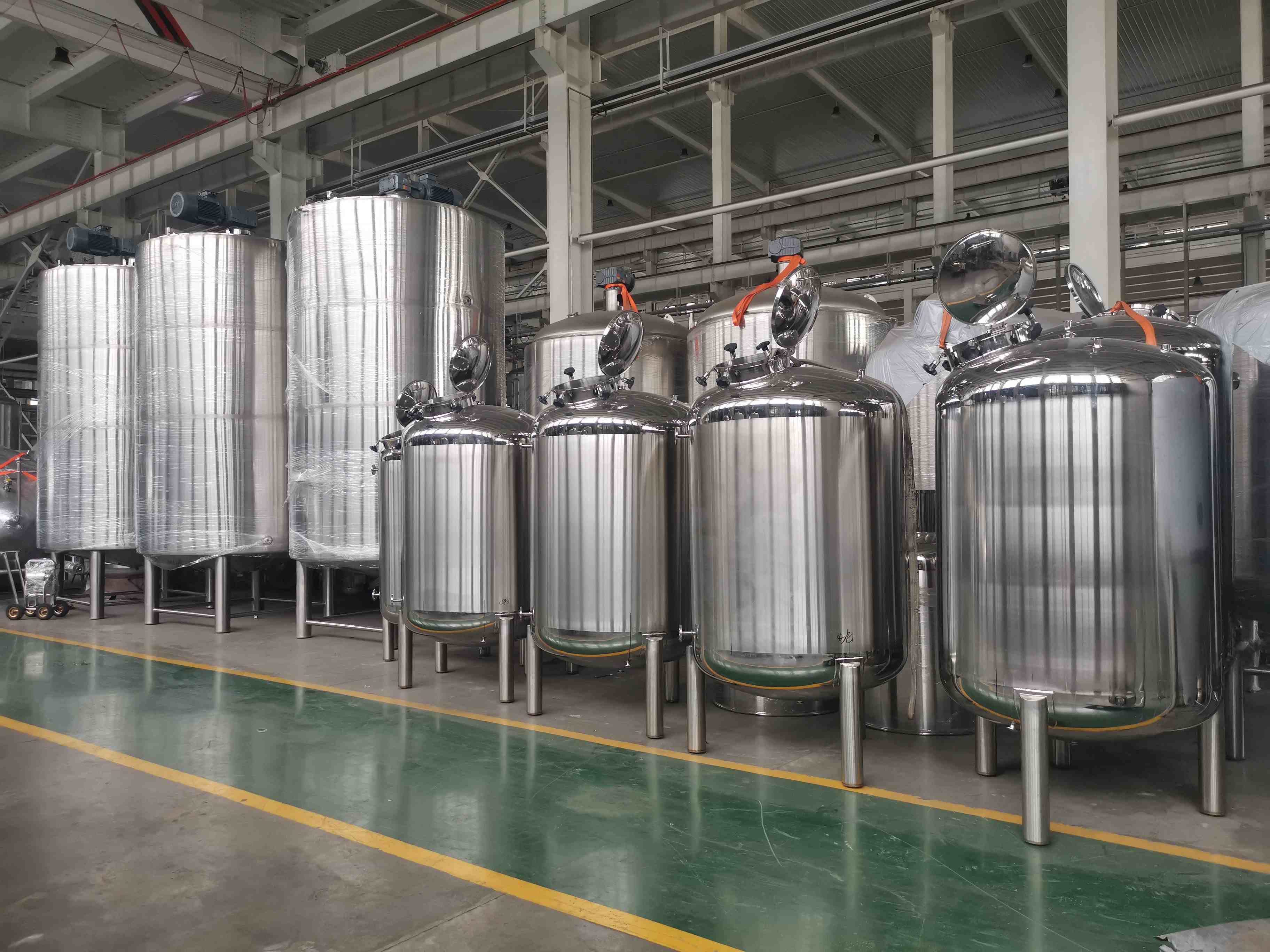
Polyethylene often gets picked for its light weight and resistance to many chemicals, but those advantages can mask a tendency to creep under sustained load. A polyethylene pipe or liner that looks perfectly fine at installation may slowly deform over months or years if it carries a constant stress, especially at elevated temperatures. Without UV stabilizers, sunlight can also make the surface brittle and prone to cracking, which is easy to overlook in indoor testing. And while it shrugs off water and many acids, certain organic solvents can cause swelling that throws off dimensional stability in ways a quick compatibility chart won’t reveal.
Steel’s weaknesses are just as easy to underestimate because its strength and stiffness are so familiar. Corrosion rarely announces itself until a small scratch in a coating or a crevice where moisture lingers has already started eating into the cross-section. In coastal or industrial environments, that hidden loss of material can progress for years while the structure still looks sound from the outside. Fatigue is another quiet failure mode: repeated loading can initiate tiny cracks at stress concentrations, and those cracks may grow slowly before a sudden, brittle-like break. Low temperatures can further reduce toughness in some carbon steels, turning a normally ductile material into something far more fragile than expected.
The real trap lies in treating either material as a one-size-fits-all answer. Polyethylene’s flexibility and chemical inertness can invite overloading beyond its creep limit, while steel’s reputation for strength can lead to skipped inspections and underestimated corrosion allowances. Each material hides its most dangerous weaknesses behind the very properties that make it popular, so a realistic assessment needs to look beyond the datasheet and consider long-term behavior, environmental exposure, and failure modes that are not obvious on day one.
A Little Extra Capacity Makes Shortages Far Less Stressful
When you run at full tilt, every small disruption lands like a hammer. A late delivery, a broken tool, or a sudden rush of orders can throw your whole day into chaos. Building in just a little extra capacity—an extra shelf of inventory, a spare pair of hands, or a few hours of flex time—turns those potential emergencies into minor bumps. You stop firefighting and start adjusting.
Shortages don't knock politely. They creep in through missed forecasts, delayed shipments, and unpredictable demand. If you have no slack, each of those small shortfalls forces a trade-off: you pull resources from one area to patch another, and soon the stress spreads everywhere. A modest buffer lets you absorb the gap without breaking promises or making rushed, expensive decisions. That breathing room keeps small problems small.
Extra capacity isn't waste; it's insurance for your sanity. It means you can respond to a shortage instead of reacting to it. You can protect quality, keep your team calm, and sometimes even turn a shortage into an opportunity to show reliability. The real gain is mental: knowing you have room to maneuver makes a shortage feel like an inconvenience, not a disaster.
Heat and Sunlight Quietly Degrade Most Tank Setups
Most hobbyists picture tank failure as a sudden leak or a shattered pane, but the real culprit often works far more slowly. Glass, acrylic, and especially the silicone seals holding everything together react to sustained heat and direct sunlight in ways that don't show up until months or years have passed. A tank placed near a sunny window may look fine on the outside while the sealant quietly loses elasticity, turning brittle or pulling away from the glass at the corners.
Sunlight does more than heat the water—it also feeds algae and can cause uneven thermal expansion. The side facing the window warms faster than the shaded side, creating stress that flexes the panels ever so slightly with each daily cycle. Over time, this repeated micro-movement weakens the bond between glass and silicone, and the first sign might be a slow drip rather than a dramatic burst. Even indirect heat from a nearby radiator or strong aquarium lighting can push temperatures past what the materials were meant to handle, shortening the tank's lifespan without a single visible crack.
The fix isn't complicated, but it does require some planning. Move tanks away from direct sun, use curtains or blinds during peak hours, and check the silicone seams every few months for discoloration, stiffness, or tiny gaps. A cheap thermometer placed near the glass can reveal hot spots you wouldn't notice by feel. Catching these quiet changes early makes the difference between a tank that lasts a decade and one that fails without warning.
The Low-Effort Maintenance Habit That Keeps Water Tasting Fine
A lot of people assume that once water sits in a pitcher or dispenser, it's fine to ignore until it runs out. But the stale, slightly off taste that creeps in usually comes from a thin biofilm or mineral buildup on surfaces you rarely see. The low-effort fix is not deep scrubbing or expensive tablets—just a quick rinse with plain white vinegar every couple of weeks. Swirl it around for thirty seconds, let it sit while you make coffee, then rinse twice. That's it.
If your setup uses a replaceable filter, don't wait for the indicator light to blink or the flow to slow to a trickle. Mark a recurring phone reminder for the first of the month and swap it out before it becomes a problem. A saturated filter doesn't just stop improving taste; it can actually release trapped odors back into the water. Keeping a spare on hand makes the swap feel like a nothing-task, not a chore.
One more habit that takes almost no effort: empty the reservoir at night if you won't use it, and refill with cold tap water in the morning instead of topping off half-stale water continuously. Stagnant water in a warm kitchen is a perfect setup for that flat, tired flavor. A thirty-second dump-and-refill prevents it without any special tools.
Two Weeks Without Tap Water and How to Plan for It
Going two weeks without tap water isn't something most of us think about until the taps run dry. The first day or two feels like a minor inconvenience—you skip the long shower, use hand sanitizer, and brush your teeth with bottled water. But by day four, the real texture of the problem sets in: dishes pile up, laundry becomes a strategic decision, and you start hoarding rainwater just to flush the toilet. That gradual shift from annoyance to genuine adaptation is what catches people off guard.
A practical plan starts with a simple rule: store one gallon per person per day for drinking and basic hygiene, then double it if you have pets or live somewhere hot. That means a household of four needs at least 56 gallons for two weeks—not counting water for cooking, washing produce, or cleaning up spills. Buying that much in bottles is expensive and wasteful, so look into food-grade water containers and consider a few collapsible jugs you can refill at a neighbor's place or a community spigot before things get serious. Rotate the supply every six months so it doesn't go stale, and label each container with the fill date.
Beyond storage, think about the unglamorous side: waste. A toilet uses up to five gallons per flush, which translates to dozens of gallons a day for a family. Keeping a bucket of greywater from dishwashing or even catching shower warm-up water can stretch your supply further than you'd expect. And don't forget the small comforts—baby wipes, dry shampoo, and a few paper plates can turn a stressful two weeks into something merely tedious. The goal isn't perfection; it's making sure you never have to choose between drinking water and flushing the toilet again.
FAQ
High-density polyethylene (HDPE) and polypropylene are the safest for potable water because they don't leach chemicals or alter flavor. Stainless steel grade 316 works well too but costs significantly more. Avoid fiberglass without a certified food-grade liner, and stay away from repurposed industrial containers unless you know exactly what they held before.
Plan for at least one gallon per person per day for drinking and basic hygiene. For a family of four, that means 28 gallons per week, but real emergencies stretch longer and you'll want extra for cooking, pets, or flushing. A 500-gallon tank gives a comfortable buffer without taking over the yard, while 1,000 gallons makes sense if you have space and want true resilience.
Underground tanks win in cold climates if you can bury them below the frost line, but the excavation and installation get pricey. Above-ground tanks need either a heater, insulation jacket, or a plan to drain them before hard freezes. For year-round use in places with deep frost, underground is usually the only hassle-free option.
Rotate the water every six to twelve months, and add a few drops of unscented household bleach per gallon if you're on a well or suspect contamination. Keep the tank out of direct sunlight to prevent algae, and make sure the lid seals tightly. A dark, cool location does more for taste than any additive.
Yes, unless it's stainless steel. Regular carbon steel will rust and contaminate the water, so look for a tank with an NSF-approved epoxy or glass lining. Even then, inspect welded seams annually because that's where corrosion starts. Stainless steel 304 or 316 can go bare, but the upfront cost is much higher.
A manway or access hatch at least 20 inches wide lets you get inside for scrubbing. Smooth interior walls with no ribs or baffles reduce places for biofilm to hide. A drain valve at the lowest point helps flush sediment, and a sight glass or external level gauge saves you from climbing up to check.
The shell is basically the same—polyethylene or stainless steel works—but you need extra inlet protection. A debris screen, first-flush diverter, and mosquito-proof mesh over any overflow are essential. Otherwise you'll end up with leaves, bird droppings, and insect larvae in the water, which no amount of filtration can fully fix.
Quality HDPE tanks with UV stabilizers can survive 15 to 20 years in full sun. Cheaper polyethylene without those additives may start getting brittle and cracked within five years. If your tank sits in direct sunlight, a coat of light-colored latex paint or a simple shade structure can double its lifespan.
Conclusion
Choosing the right storage tank starts with a simple question: will the water be for drinking or just for utility use? That decision shapes everything else. If you lean toward polyethylene, keep in mind that heat and sunlight slowly break it down over time, so placement in a shaded area matters more than most people realize. Steel tanks can rust or suffer from lining failures, especially if the water sits for weeks on end. I've found that adding a little extra capacity beyond what you think you need makes shortages far less stressful, because running out during a two-week outage is the last thing you want to deal with.
The good news is that a low-effort maintenance habit—rotating or treating stored water every few months—keeps it tasting fine without turning you into a full-time custodian. When planning for a two-week stretch without tap water, think about how much you actually use for cooking, flushing, and washing, then add a margin for surprise guests or medical needs. A shaded, properly sized tank with a simple maintenance routine isn't glamorous, but it's the most dependable way to keep safe, reliable water on hand when the taps go dry.
Contact Us
Contact Person: Ada Xu
Email: [email protected]
Tel/WhatsApp: 0577-86806088
Website: https://www.dayuwz.com/