
Bottle Unscrambler Manufacturer Tips for Choosing the Right Automation Partner
2026-11-23
Choosing a bottle unscrambler manufacturer is rarely just about the machine. The real question is whether your automation partner understands line speed, container stability, and the hidden costs of downtime. From orientation accuracy to changeover time, small differences in engineering can quietly shape your entire packaging output. Wanying Machinery has spent years helping production teams look past glossy brochures and focus on what actually keeps bottles moving. This guide walks through the practical signals that separate a dependable partner from a one-time supplier.
Where Most Automation Projects Go Wrong Before Startup
The failure of an automation project rarely begins with a broken robot or a faulty script. It starts quietly, in conference rooms where the actual work is misunderstood. Teams often map what they think happens on the floor, but not what truly happens when nobody is watching. Edge cases, informal shortcuts, and hard-won operator instincts get left out of the process map. By the time the automation is switched on, it is built for an idealized version of the task, not the real one.
Another common misstep is treating automation as a technology delivery instead of a work redesign. A vendor may deliver a perfectly functional cell, but if the upstream material flow, data handoffs, and maintenance routines were never changed, the machine inherits the same bottlenecks and silence. Nobody asks who will clear a jam at 2 a.m., or what happens when the ERP sends a duplicate order. Those questions surface only after startup, when the cost of fixing them is highest.
The most damaging errors, however, are social. Operators and line leads often suspect the new system will replace them or expose their undocumented fixes. When their knowledge is ignored during design, they withhold it during commissioning. Then the project team wonders why a technically sound system still stumbles. The truth is simple: automation cannot succeed before startup if the people who run the process were never treated as part of the process itself.
Why Bottle Shape and Material Should Drive Supplier Choice
A bottle’s profile does more than sit on a shelf. Deep recesses, sharp shoulders, and thin-grip panels each change how resin flows through a mold, where stress concentrates, and how many units crack during a drop test. A supplier who treats those details as routine is the one who can hold wall thickness without pushing cycle times past the point of profitability.
Material choice adds another layer. PCR content often stiffens a preform and makes certain neck finishes more prone to stress whitening, while a move from PET to HDPE can completely alter how a squeeze bottle recovers its shape after dispensing. The right supplier will flag those trade-offs before tooling is cut, not after a first article arrives with hazing around the base.
Early conversations about geometry and resin also shorten sampling. Instead of waiting for a quote on a generic container, you get a manufacturing partner who has already worked through the pinch points and can recommend a gate location or a slightly thicker bottom radius. That kind of input usually saves more than hunting for a lower per-unit price.
The Support Questions to Ask Before You Sign
Before you commit to any platform or service, push beyond the sales pitch and ask exactly how support works when something breaks. Will you reach a real person who understands your account, or are you stuck with a ticket queue and canned replies? Ask about average first response times during your business hours, what happens after hours, and whether there is a named contact or a rotating support team.
It is also worth asking how onboarding, data migration, and ongoing training are handled. A vendor that charges extra for basic setup help may cost far more than the initial quote suggests. Request examples of how they have handled urgent issues for clients similar to you, and find out if phone support is included or reserved for higher tiers. The answers will tell you more about the relationship than any feature list can.
How the Right Controls Turn a Bottle Unscrambler Into a Line Asset
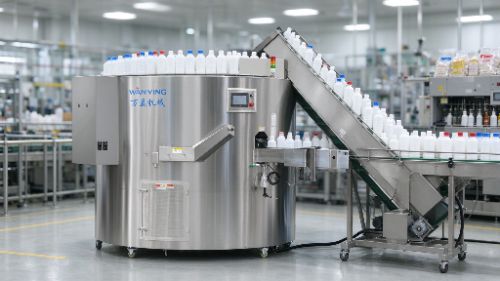
A bottle unscrambler often gets treated as a basic feed device, but the right controls change what it can do on a packaging line. Recipe handling is the clearest example. Instead of manually adjusting orienting rims, side-grip belts, and air pressure for every container size, operators load a stored profile and let the machine set its own parameters. That removes the usual trial-and-error at changeover and keeps bottle handling consistent from the first minute of a run.
Fault recovery matters just as much. A control system that identifies a jammed pocket or a drifting photoeye saves maintenance from tracing wiring and guessing at sensor positions. When the unscrambler also adjusts its speed to match the filler or capper and pauses without dumping bottles during a downstream backup, it stops causing micro-stops. Those small gains accumulate into a machine that holds line rhythm instead of interrupting it.
Changeover Claims Worth Testing with Your Own Bottles
Most bottle makers are quick to promise that switching from one liquid to another won't leave a trace—no stale coffee in your water, no garlic smoothie haunting the lid gasket. That sounds nice on a product page, but a quiet sniff test at home tells you more in ten minutes than a spec sheet ever will. Fill the bottle with something pungent, leave it closed overnight, wash it the way you actually wash dishes, and then pour in plain water. If the taste follows, the changeover claim falls apart.
Temperature claims deserve the same skepticism. A bottle that keeps coffee hot from 7 a.m. to noon in a climate-controlled lab can behave differently in a cold car or after a year of drops and dishwasher cycles. Pour in water at the temperature you actually drink it, seal the lid, and check it at the intervals that matter to your routine. Better yet, run the same test with two different bottles side by side. The gap between the marketing promise and your own results is often wider than the label suggests.
Leak resistance after a switch matters too. Some bottles seal fine with still water but weep around the threads once carbonated drinks or warm broth go in. Close the bottle on a fresh fill, turn it upside down inside a dry sink, and leave it. If you find a damp ring or a slow drip, that changeover claim isn't ready for a bag or a car seat.
Lifecycle Cost: The Number That Actually Matters
Most buyers fixate on the sticker price, but that figure is almost misleading. A pump that costs $4,000 today can quietly demand twice that in energy, seals, and labor before it reaches its fifth birthday. When you add up power draw over 40,000 hours, a "cheap" unit often ends up more expensive than a premium one that ships with better efficiency and tighter tolerances.
The real weight sits in the details nobody puts on the invoice. Downtime during a batch, emergency call-outs, spare parts sitting on a shelf, or a unit that runs hot and shortens oil life—these are lifecycle costs hiding in plain sight. If a machine runs two degrees above its ideal range, the added friction doesn't just waste energy; it accelerates wear across bearings and seals until a minor issue becomes a weekend shutdown.
Smart teams stop asking "what does it cost to buy?" and start asking "what does it cost to own?" That shift changes supplier conversations, maintenance schedules, and even design choices. A decision made on lifecycle cost rarely looks like the cheapest option on day one, but it tends to look like the most sensible one after three years of production data.
FAQ
Ask whether they treat your project as a one-time sale or as a long-term line integration. A dependable builder will inspect your container geometry, closure style, and ambient conditions before proposing a machine, and they should be able to explain why a given orientation method fits your bottle instead of pushing a stock model.
The conversation should go well beyond diameter and height. Expect questions about center of gravity, neck finish, base stability, label position, static tendencies, and whether speeds are nominal or surge rates. If a supplier quotes a machine without asking for samples or drawings, that is a warning sign.
A lower purchase price can disappear quickly if you are waiting days for a technician or replacing wear parts that were never kept in local inventory. Strong after-sales support means documented troubleshooting steps, accessible service engineers, realistic spare part lead times, and someone who knows your specific line when you call.
A parts vendor fills an order. A partner maps out how the unscrambler interacts with upstream rinsers, fillers, cappers, and conveyors, then takes responsibility for the interface points. They also flag issues like backlog pressure, discharge height mismatches, and controls integration before installation day arrives.
Bring the manufacturer in during the concept or line expansion phase, not after the floor space has already been fixed. Early involvement gives you a chance to address infeed orientation, operator walkways, hopper loading access, and discharge routing while there is still room to adjust the layout without expensive rework.
Ask for specific examples involving the same or similar material: PET, HDPE, glass, polypropylene, or even post-consumer resin blends. Request references from lines that run bottles with comparable wall thickness, flexibility, and static behavior. A credible supplier should also invite you to run samples in their test lab rather than relying only on CAD simulations.
Press them on how the machine remembers recipes, whether adjustments are tool-free, how long a full size change takes with one operator, and what happens if a part is misplaced. Their answers should show they have thought about mixed packaging environments, weekend shift skill levels, and quick verification after a change rather than glossing over the daily realities of running multiple bottle formats.
Conclusion
Most unscrambler headaches start long before a line ever powers up. Teams spend months comparing speeds and hopper capacities, then hand a supplier bottles that were never part of the original conversation. That gap between quoted performance and real container behavior is where projects stall. A flat-sided HDPE bottle does not move like a tall PET round, and a manufacturer worth partnering with will ask about dimensions, base stability, neck finish, and fill-room conditions before quoting anything. Support needs to be treated as part of the equipment, not an add-on. Ask who actually answers when the line stops, whether spare parts ship from a local depot or another continent, and how remote diagnostics work after installation.
The right controls make more difference than motor size. A well-tuned unscrambler should reject fallen bottles without stopping production, adjust bowl speed to downstream demand, and give operators clear fault messages instead of a blinking light. Changeover claims deserve skepticism. If a supplier says a switch takes ten minutes, test it with your own bottles, not their polished demo containers. Finally, look past purchase price. Air consumption, wear parts, sensor replacements, and service travel add up quietly. A machine that costs less up front but needs constant attention will drain a maintenance budget long after the invoice is filed. Lifecycle cost is the figure that tells you whether the automation partner actually fits the line.
Contact Us
Contact Person: Tyson
Email: [email protected]
Tel/WhatsApp: +8613396971296
Website: https://www.wanyingmachinery.com