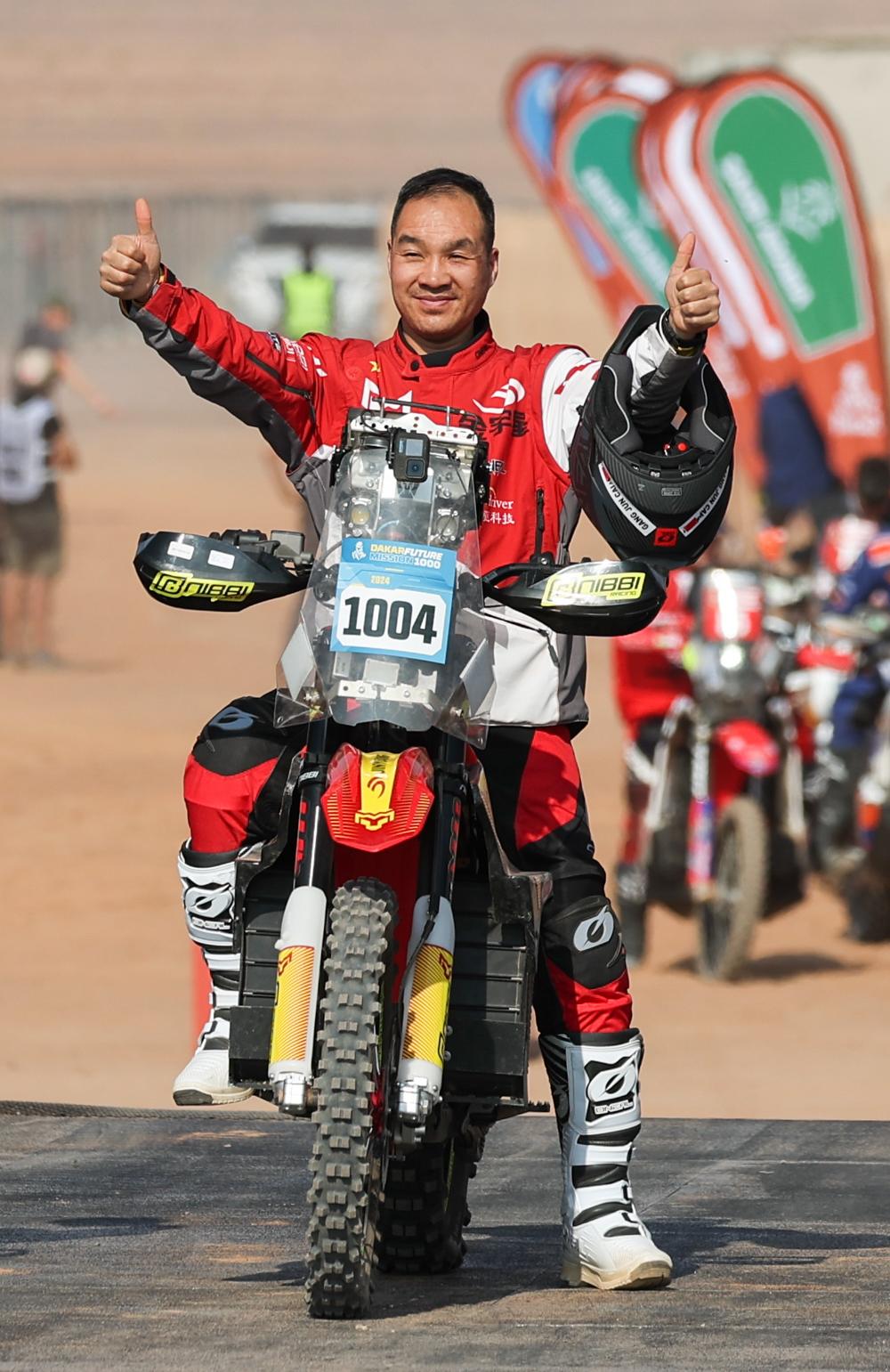

China Electric Motocross Bikes Are Redefining Off-Road Performance
2026-11-23
The growl of a gas engine used to be the only soundtrack worth chasing through the dirt. But a new wave of electric motocross bikes from China is changing that, and it’s not just about swapping noise for silence. These machines are landing harder hits of torque, shedding weight, and rethinking what off-road performance can feel like. Among the names pushing this shift, Arctic Leopard stands out by treating electric power as a performance advantage rather than a compromise. Before you assume electric means tame, here’s why the next generation of trail weapons might leave your old two-stroke gasping.
Instant Torque That Makes Hill Climbs Feel Different
Climbing on a conventional engine often means planning ahead: drop a gear, keep the revs up, and hope the powerband arrives before the gradient gets steep. Instant torque removes that waiting game. The moment you ask for drive, the response is already pushing you forward, so a hill stops feeling like a battle against lag and starts feeling like a clean shove up the slope.
That difference is most obvious on tight switchbacks and loose surfaces. Instead of carrying momentum just to keep the motor from bogging, you can brake late, turn in, and then roll the throttle open without drama. The torque arrives at low speed, which lets you pick a line based on grip rather than keeping the engine spinning. It completely changes the rhythm of a climb.
What really stands out is how composed the whole machine feels when the power delivery is instant. There is no lurch, no sudden surge after a downshift, just a steady rise in speed that matches your input. Hill climbs become less about managing the engine and more about enjoying the terrain, and that is a much bigger shift than a spec sheet can show.
A Lighter Frame Changes How the Bike Reacts in Ruts
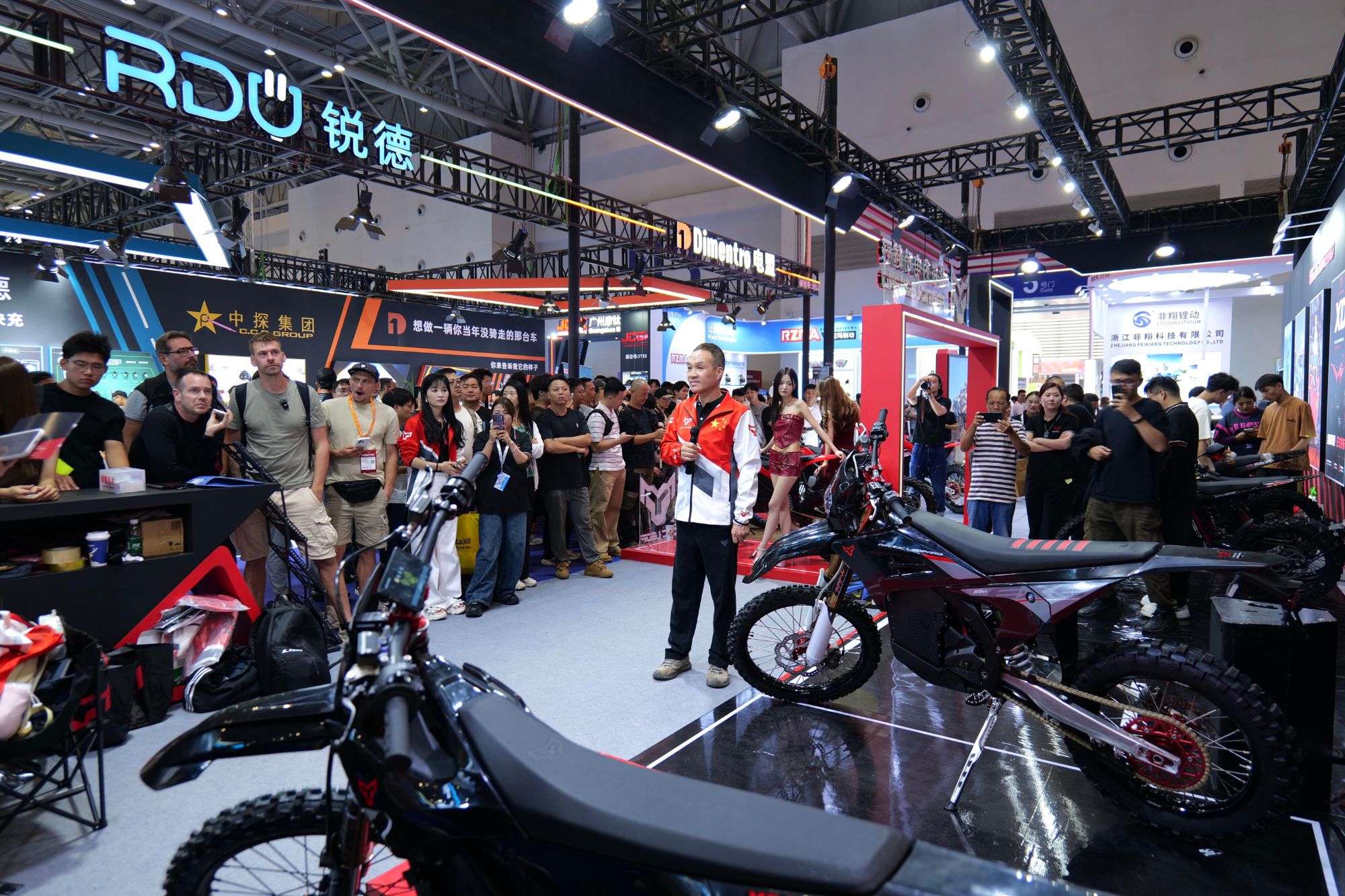
Drop a few pounds from the chassis and the first thing you notice in a rutted section is how much less the bike wants to stay buried in the line it started with. The front wheel feels less like it's being steered by the trench and more like it's waiting for your input. On a heavier frame, once the bars get pulled, you're usually along for the ride. With less mass in the middle, you can correct the lean angle before the rut tightens up, and the whole bike changes direction with a small shift in weight.
There's also a difference in how the suspension returns after hitting the bottom of a rut. A lighter platform doesn't load the fork and shock as deeply, so the wheels recover a beat sooner and stay in contact with the edges instead of hammering through them. That translates to less deflection off square edges and a rear end that steps back in line rather than kicking sideways. The bars still tell you what's happening, but the information is sharper without turning into arm pump.
The tradeoff is that a light frame can feel more active when the ruts are deep and hard. You'll notice small movements through the pegs that a heavier bike would absorb, so it demands a slightly lighter grip and earlier setup for the next rut. Once you adjust, the advantage becomes clear: faster side-to-side transitions, less energy spent muscling the bike, and the ability to ride a higher line through a torn-up corner without getting pulled down.
Swappable Batteries Turn Pit Stops Into Quick Changes
Imagine rolling into a charging bay and driving out two minutes later with a full battery—no cord, no wait, no coffee break. Swappable battery systems make that possible by treating a depleted pack like an empty propane tank. The vehicle pulls over a robotic platform, which unbolts the spent unit, slides it onto a storage rack, and locks a freshly charged one into place. Drivers never leave the seat, and the entire handoff feels closer to a tire change at Le Mans than a refuel at a gas station.
What makes the swap so fast is that the heavy lifting happens behind the scenes. While you are on the move, the station's chargers are already conditioning dozens of packs, balancing cells and topping them off at slower, battery-friendly rates. The moment you arrive, the next pack is waiting. This decouples charging time from travel time—something no fixed-cable fast charger can match, no matter how many kilowatts it pushes. The result is a pit stop rhythm that fits naturally into fleet schedules, taxi queues, and long-haul corridors where minutes mean money.
Of course, the speed is only useful if the ecosystem supports it. Standardized pack dimensions, a dense network of swap stations, and robust leasing models are the real gears turning under the floor. Early adopters in two-wheeler and commercial van markets have shown that when drivers trust the swap network, they treat range anxiety as a relic. The battery becomes a shared commodity—like a bicycle tire or a gas cylinder—and the vehicle remains on the road, not tethered to a plug.
Maintenance Shifts From Engine Rebuilds to Software Checks
Walk through any maintenance hangar today and the heaviest tools sit idle more often. The scheduled tear-downs that once defined a midlife service interval have given way to shorter, data-driven visits. A laptop plugged into an onboard diagnostic port now handles much of what used to require pulling an engine apart.
Technicians still inspect bearings, seals, and wiring, but the first hour of a work order is frequently spent reading fault logs and sensor histories. A rough-running engine might be fixed with a reflash rather than a rebuild. This shift doesn't mean mechanical skills are disappearing; it means the definition of a thorough inspection has expanded to include calibration, cybersecurity patches, and updated operating parameters.
For owners and operators, the change is visible in turnaround times and parts inventories. Fewer engines are shipped to overhaul shops for routine issues, while more attention goes to subscription-style updates and condition monitoring. The maintenance manual has become a living document, revised by software releases as often as by torque specs.
Quiet Power Opens Trails That Gas Bikes Cannot Reach
The first thing you notice on a narrow forest switchback is what you don’t hear. No two-stroke rattle bouncing off the trees, no hot exhaust smell lingering in the gully. That near-silent climb changes where a bike can go, because many trail systems and county parks allow electric-assist bicycles while combustion engines stay banned. The boundary isn’t just about rules; it’s about moving lightly enough that hikers, horse riders, and local land managers don’t feel the need to push back.
Riders often assume more power means more access, but trail access usually runs the other direction. A quiet mid-drive motor lets you roll past trailheads where gas bikes get turned around, linking sections that would otherwise be off-limits. There’s also a practical side: you can hear loose gravel shifting, a startled deer moving uphill, or someone coming around a blind bend. That awareness makes the ride feel less like an intrusion and more like moving with the place.
Over time the advantage accumulates. You start planning routes around singletrack and fire roads that gasoline-powered machines never reach, not because the terrain is impossible, but because the noise and fumes would close the door. Quiet power doesn’t announce itself. It just opens the next gate and keeps it open.
Chinese Workshops Are Setting a New Pace for Dirt Bike Design
Walk into a back-alley workshop in Chongqing and the first thing you notice is the smell of cutting fluid. Rows of unmarked frames lean against the wall, some stamped from 6061 aluminum plate, others welded up overnight from chromoly tube. The builders here don't wait for model-year updates. A rider can ask for a narrower radiator shroud or a linkage that tucks the rear shock lower, and the part gets sketched on cardboard, cut on a CNC mill, and bolted onto a test mule before the weekend.
That speed changes the relationship between rider and machine. Instead of choosing from a catalog of aftermarket parts, customers send rough measurements and ride footage. Workshops respond with one-off yokes, revised footpeg mounts, or subframes shortened by hand. The fit and finish vary, but the geometry is often sorted through repeated loops on local tracks, not just CAD screens. The result is a dirt bike that feels less like a product and more like a set of decisions made for a particular body and terrain.
Larger factories have started paying attention. Some quietly source prototype triple clamps or exhaust routing ideas from these small shops, where overhead is low and a failed bracket costs almost nothing. It is a strange reversal: the most interesting advances in dirt bike design are coming from workshops that still use chalk marks, pipe benders, and an almost obsessive willingness to rebuild the same part until it survives a season of crashes.
FAQ
The main draw is instant torque paired with a very quiet motor. Riders can tackle technical climbs and tight singletrack without the noise or clutch work that a gas bike demands, which makes them feel more like a lightweight mountain bike with serious power.
A gas 250 builds power in a rev range and needs constant shifting to stay in it. An electric motor delivers full torque the moment you twist the throttle, so you get immediate drive out of corners and fewer stalls on rocky climbs. It is a simpler, more direct feel.
Range depends heavily on terrain and riding style. On flowing trails, many riders see roughly 30 to 50 miles from a single charge. With a swappable battery, carrying a spare can extend the day considerably, though hard enduro terrain will drain the pack faster.
Most frames are built around a forged or cast aluminum structure, with suspension from established names like FastAce or DNM. They are not toy-grade. Hitting whoops, jumps and rocky sections is normal for middleweight models, though they still weigh far less than most gas bikes in the same class.
Surron's Light Bee and Ultra Bee have a strong following, while Talaria's Sting and Dragon lineups are popular alternatives. Segway's X260 and X1000 also show how quickly the segment is moving, with each generation getting more suspension travel and battery capacity.
No oil changes, air filters, clutches or top-end rebuilds. Maintenance mostly comes down to the chain, brake pads, suspension service and checking electrical connections. That lower upkeep is a big reason trail riders are switching.
Because noise and emissions are minimal, many land managers and private parks are more open to electric models. It is not a free pass everywhere, but the lack of sound and exhaust often removes two of the biggest objections to off-road riding.
Conclusion
Electric motocross bikes from China are rewriting what riders expect when the trail turns steep or chopped up. Instead of waiting for an engine to climb into its powerband, you get instant torque that makes technical hill climbs feel less like a battle with the clutch and more like a controlled surge. That same immediacy pairs with a lighter frame, so the bike changes direction in ruts without the front end pushing wide or the rear chattering sideways. When a battery runs flat, the stop is closer to a quick tire change than a fuel stop: swappable packs slide out, fresh ones click in, and the rider is back on the course while gas bikes are still cooling down.
The shift goes deeper than ride feel. Maintenance is moving away from oil changes, valve adjustments, and engine rebuilds toward firmware updates and diagnostic checks, which changes how much time a bike spends in the garage between rides. Quieter power also opens up trails that were off-limits to loud four-strokes, especially near neighborhoods or protected land where noise complaints end access. Chinese workshops are pushing this forward at a fast cadence, turning out revised frames, motor maps, and battery layouts much quicker than the old development cycles. Altogether, that pace and those changes are making electric motocross less of a niche experiment and more of a genuine redefinition of off-road performance.
Contact Us
Contact Person: Jack
Email: [email protected]
Tel/WhatsApp: +86 15657688888
Website: https://www.arctic-leopard.com