

China Sunscreen Spray Factory Selection Tips for International Buyers
2026-08-17
Sourcing sunscreen spray from Chinese factories is less about finding someone who can make a bottle spray, and more about finding a partner who understands propellant ratios, reef-safe actives, and the patience of EU cosmetic notifications. One wrong valve choice and your entire launch turns into a leaky mess—literally. If you're an international buyer vetting suppliers, this guide cuts through the noise. At Wilson, we've helped brands avoid the exact pitfalls we're about to cover.
Look Past the Certificates When Auditing a Chinese Sunscreen Spray Factory
A folder full of certificates can make a Chinese sunscreen spray factory look reliable before you even step onto the floor. But those documents are only as good as the day they were issued. Auditors who stop at the paperwork often miss the slow drift that happens between audits—machines fall out of calibration, raw material suppliers change without notice, and batch records get filled in from memory instead of measurement.
What you actually need to check is how the spray formula behaves in real production. Are the UV filters pre-dispersed properly, or does the mixer just dump everything in at once? Is the filling room humidity low enough to keep propellant from causing corrosion? Does the line have a way to catch a can with a faulty valve before it gets shipped? These are the details no certificate will ever list.
Also, spend time with the line workers, not just the quality manager. Ask how often they clean the filling nozzles. Watch whether they record temperatures as they go or fill in logs at the end of the shift. Look at the quarantined finished goods area—if it is small and empty, that may mean bad batches are being released instead of held. A genuine audit is about observing habits, not collecting framed documents.
The Pilot Run Trap That Separates Sample Quality from Real Production
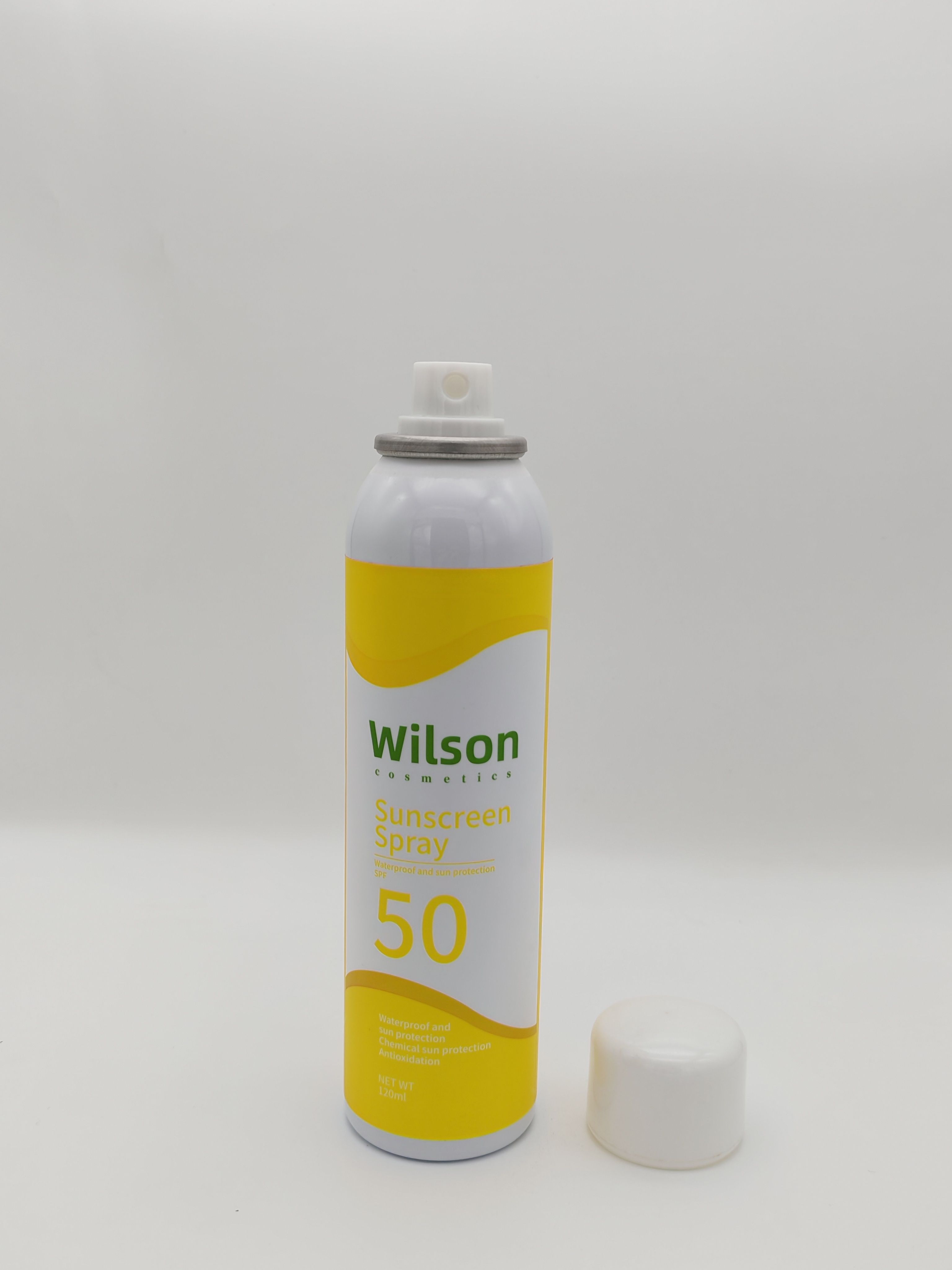
Every factory loves a flawless pilot run. Those first few units glide through the line, specs are spot-on, and the client signs off with confidence. But that controlled environment rarely reflects the chaos of a full production shift. Operators are hand-picked for pilots, materials are pre-sorted, and machines get extra attention. Meanwhile, the real run arrives with untrained fill-in workers, rushed changeovers, and raw stock that barely passes incoming inspection. The gap between what you sampled and what you ship is where defects breed.
This trap shows up in subtle ways: a pilot batch yields 99.8% pass rates, while week-two production hovers at 93% with rework piling up. The problem isn't that production suddenly got worse—it's that the pilot never measured the conditions that actually cause failure. Vibration from adjacent lines, tool wear after eight hours, operator fatigue on third shift, and supplier lot variation all stay invisible in a short validation run. Teams that mistake pilot success for process stability skip the very controls that would catch these issues early.
Escaping the trap means treating pilot results as a signal, not a verdict. Run longer trials with regular operators and production materials. Deliberately stress-test edge cases: mixed lots, borderline ambient temperatures, and less experienced staff. Track what changes between hour one and hour ten, not just the average. Only when your sample quality survives real-world variability—same scrap rates, same cycle times, same operator rotation—can you claim the process is ready for volume.
How to Verify SPF Stability Before You Import Sunscreen Spray
SPF values on a sunscreen spray label mean little if the active filters break down under real-world conditions. Before committing to a bulk import, request photostability data from the manufacturer that shows how the formula holds up under repeated UV exposure. Many common UV absorbers, especially avobenzone, degrade within hours unless paired with stabilizing ingredients like octocrylene or bemotrizinol. Ask for test results following a recognized protocol such as ISO 24443 or the FDA's broad-spectrum procedure, and compare the initial SPF against the SPF measured after a simulated sunlight dose equivalent to several hours of midday exposure.
Beyond photostability, check thermal and shelf-life stability through accelerated aging. A reliable supplier should provide data from storing samples at 40°C and 75% relative humidity for three months, with SPF retested every 30 days. Look for a drop of no more than 10% from the original value. If the formulation contains physical filters like zinc oxide or titanium dioxide, confirm that particle dispersion remains uniform after shaking and during spray actuation, since settling or nozzle clogging can drastically reduce the delivered protection even if the bulk SPF remains intact.
Finally, don't rely solely on the manufacturer's certificate of analysis. Pull a random sample from the pre-shipment batch and send it to an independent lab for in vitro SPF testing per ISO 24444 or an equivalent method. Cross-check the result against the label claim and the supplier's own stability report. Also review batch-to-batch consistency documents covering at least 12 months of real-time data. If any discrepancy exceeds 15% or the photostability curve shows a sharp decline within the first hour of UV exposure, reconsider the import or negotiate a reformulation before the product reaches your warehouse.
Trace the UV Filters Back to Their Source in Chinese Supply Chains
Most sunscreen brands will happily list the chemical names on a label, but few can tell you which plant in China actually synthesized the UV filter. Tracing a batch back to its source means following a trail that starts with commodity petrochemical feedstocks and ends in a handful of industrial parks across Shandong, Jiangsu, and Zhejiang.
At each stop the documentation tends to thin out. Traders consolidate material from multiple producers, certificates get photocopied and passed along, and a single shipment can blend output from three or four reactors without any clear record of origin. That is why smaller buyers often end up relying on a supplier's word rather than a verifiable audit trail.
A more reliable approach is to work backward from the finished formula through the formulator, the trader, and the exporter, asking for batch-level traceability documents at every handoff. Where the paper trail breaks, it usually points to a sourcing gap worth investigating before the next order is placed.
One Sunscreen Spray Formula Won't Pass Every Regional Regulation
A sunscreen spray that clears regulatory hurdles in the US can hit a brick wall in Europe, and the same formula may be flat-out banned in parts of Asia. It is not just about active ingredients like avobenzone or oxybenzone; even the propellant, preservative system, and particle size of UV filters face wildly different acceptance thresholds. Brands often learn the hard way that a single master formula is a myth, forcing them to tweak alcohol levels for Korea, swap spray valves for Australia, or reformulate entirely for Hawaii's reef-safe mandates.
The problem runs deeper than paperwork. Regional regulators disagree on what counts as a nanoparticle, how much benzene is tolerable as a propellant impurity, and whether certain siloxanes belong in an aerosol at all. A spray that feels weightless and dries in seconds for a German consumer might be considered too volatile for the Canadian market, where VOC limits are tighter. This patchwork forces manufacturers to maintain parallel inventories or sacrifice performance to meet the strictest common denominator, which rarely satisfies anyone.
Smart formulators now design sprays as modular platforms rather than fixed recipes. They keep a stable core of UV filters that enjoy broad acceptance, like zinc oxide or bemotrizinol, then adjust the solvent blend, spray pattern, and fragrance package per region. It costs more up front but avoids the trap of reformulating from scratch every time a new state, province, or trade bloc updates its cosmetic annex. The lesson is blunt: if you are planning one global sunscreen spray, you are already planning to fail somewhere.
Why the Sprayer Mechanism Can Make or Break Your Product
The sprayer mechanism is often treated as an afterthought, but it's the first physical interaction a customer has with your product. A flimsy actuator or a nozzle that dribbles instead of misting can instantly cheapen the entire experience, even if the fluid inside is exceptional. Most people won't separate the packaging from the product—they'll simply assume a clogged sprayer means a low-quality formula.
A properly tuned sprayer does the opposite. It delivers a consistent, fine mist that spreads evenly and feels controlled, which makes the product easier to use and more economical. The tactile click of a solid trigger or the smooth resistance of a pump builds confidence before the formula ever touches the skin or surface. Get the mechanism wrong, and you risk returns, negative word of mouth, and a product that never gets a second chance.
FAQ
Start with the factory's cosmetic production license and any export certifications like GMPC or ISO 22716. Ask for copies of recent third-party audit reports rather than relying on trade show claims. A factory that has worked with brands in your target market often understands regional compliance better.
Request a list of sunscreen spray projects they've completed, including SPF levels and types of UV filters used. Look for experience with both chemical and physical filters, as spray formulations require specific dispersion and stability know-how. If possible, ask for stability data from previous batches.
At minimum, the factory should conduct in-process checks for viscosity, pH, and fill weight, plus post-production testing for SPF retention and propellant compatibility. Ask how they handle out-of-spec batches and whether they keep retain samples for at least two years.
Ask the factory to provide documentation showing allowed UV filters and maximum concentrations for your target region. They should be familiar with FDA monographs or EU Annex VI. Request a compliance statement for each formulation, and consider having an independent lab verify the sunscreen's labeled SPF.
Typical MOQs range from 5,000 to 20,000 units per SKU, depending on packaging complexity. Many factories will lower the MOQ if you pay a surcharge or agree to use standard packaging. Don't accept a very low MOQ without confirming that the factory can still maintain consistent propellant filling quality.
A virtual audit can screen out obvious red flags, but a physical visit is better for evaluating spray-specific equipment like propellant filling lines and leak testing. If travel isn't possible, ask for live video walkthroughs of production and quality labs, not just a pre-recorded tour.
Watch for separate charges for artwork design, regulatory documentation, mold fees for custom actuators, and re-testing after formula tweaks. Clarify who pays for third-party testing and what happens if a batch fails. Also confirm incoterms—some factories quote FOB but later add export packaging costs.
Use a mutual NDA before sharing detailed specifications, and consider splitting the formula between two suppliers for critical ingredients. Register your own trademark and don't rely on the factory to file patents. Some buyers also keep the final filling step in-house or with a separate contract filler.
Conclusion
Choosing a sunscreen spray factory in China is less about glossy paperwork and more about digging into what actually happens on the floor. Certificates are easy to collect, but they rarely tell you whether the facility can hold quality once your order volume climbs. Ask for a pilot run and stay for the whole batch—watch how they handle raw material feeds, mixing speeds, and line changeovers, because many suppliers quietly swap in cheaper filters after the sample approval. If the UV filters can't be traced to a named manufacturer with batch-level documentation, walk away. SPF stability is another silent failure point: a lab test may pass, but heat cycling, shaking during shipping, and months on a shelf can drop protection. Instead of accepting a one-time report, request accelerated aging data from at least three production lots.
Regulatory fit also deserves more than a checklist. A formula that clears EU standards might violate ASEAN, GCC, or US FDA rules due to allowed filter percentages, labeling claims, or even the required spray pattern. Before you commit, have the factory map the exact variant for each target market and confirm they can produce those runs without cross-contamination. The sprayer itself is often overlooked until customers complain about clogged nozzles, uneven mist, or valves that fail after a few uses. Test the pump with the actual formula at different fill levels and temperatures, and ask for the sprayer supplier's name—not just the factory's in-house assurance. The right partner will invite you to challenge these points rather than deflect them with more certificates.
Contact Us
Contact Person: Simon
Email: [email protected]
Tel/WhatsApp: +86 13267966849
Website: https://www.wilsoncosmetic.com