
Cold Rolling Mill Customization: Optimizing Your Steel Production Process
2026-03-03
As steel producers strive to stay ahead in a competitive market, the customization of cold rolling mills has emerged as a critical factor in achieving excellence. From enhancing precision to minimizing waste, tailored solutions can transform traditional processes into models of efficiency and quality. In this blog, we delve into the art of customizing cold rolling mills to elevate your production capabilities and ensure your operations are not just running, but thriving. Discover how our expertise at GRM can guide you through optimizing every aspect of your steel production process, unlocking new levels of performance and profitability. Join us as we explore innovative strategies that could revolutionize your workflow and set you apart from the competition.
Custom Cold Rolling Mills: Tailored Solutions for Enhanced Steel Quality
In the competitive steel industry, custom cold rolling mills offer a distinct advantage by adapting precisely to specific production needs. Unlike standard mills with fixed parameters, these tailored solutions allow manufacturers to fine-tune processes, such as roll speed and tension control, which directly impacts the uniformity and surface finish of steel products. By integrating advanced technologies, these mills deliver consistent quality essential for high-end applications like automotive panels and aerospace components.
Customization in cold rolling mills empowers companies to address unique material challenges, from improving the ductility of alloy steels to reducing residual stress in thin-gauge sheets. This flexibility supports innovation, enabling the development of new steel grades with enhanced mechanical properties. As a result, businesses can meet stringent industry standards and customer specifications more efficiently, fostering long-term partnerships and market leadership.
With a focus on sustainability, custom solutions often incorporate energy-efficient designs and waste reduction features, aligning with modern environmental goals. By optimizing the rolling process, these mills minimize scrap and energy consumption, contributing to cost savings and a smaller carbon footprint. This holistic approach not only boosts steel quality but also promotes responsible manufacturing practices in a resource-conscious world.
Optimizing Production Flow: Integrating Advanced Mill Technology
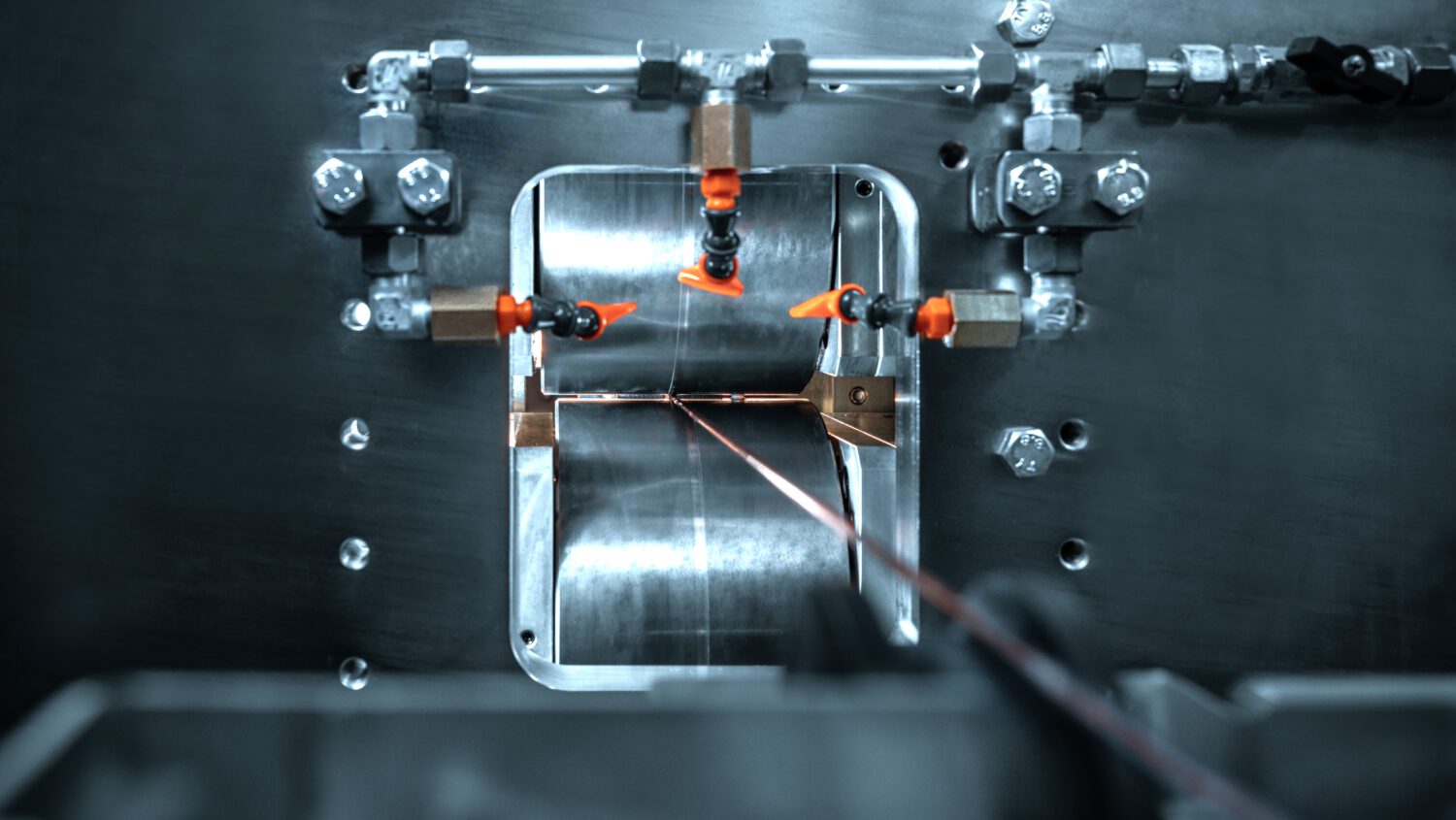
Integrating advanced mill technology into production lines isn't just about swapping out old machinery; it's a strategic overhaul that can dramatically reshape how materials flow through a facility. These high-tech mills, equipped with real-time monitoring and adaptive processing capabilities, allow for finer control over output quality and throughput rates. By seamlessly syncing with existing systems, they minimize bottlenecks that typically plague traditional setups—think fewer unexpected downtime events and smoother transitions between processing stages. The result? A more predictable, agile production rhythm that adapts on the fly to changing demands without sacrificing efficiency.
What truly sets modern mills apart is their ability to collect and analyze data at every step, turning raw operational info into actionable insights. Sensors embedded within these units track everything from temperature fluctuations to wear patterns, feeding this data into centralized platforms where predictive algorithms forecast maintenance needs before breakdowns occur. This proactive approach not only extends equipment lifespan but also ensures consistent product quality by catching deviations early. Plus, with integration features that allow mills to communicate directly with upstream and downstream processes, the entire production chain becomes more cohesive, reducing manual interventions and speeding up cycle times in ways that older systems simply couldn't match.
Beyond just boosting speed, advanced mill technology fosters a leaner, more responsive manufacturing environment. By automating repetitive tasks and optimizing energy consumption, these systems cut waste and lower operational costs over time. Their modular designs mean they can be scaled or reconfigured as production needs evolve, making them a smart investment for future-proofing facilities. In practice, this integration has allowed companies to tackle complex orders with greater precision, delivering customized products faster while maintaining high standards—a key edge in today's competitive markets where flexibility and reliability are non-negotiables.
Boosting Efficiency: Key Features in Modern Cold Rolling Systems
Modern cold rolling systems have transformed metalworking, with efficiency gains often exceeding 30% compared to older setups. At the heart of this revolution lies advanced automation, where precision controls and real-time data analytics allow mills to operate seamlessly around the clock, minimizing downtime and human error. This integration not only accelerates production cycles but also enhances consistency in product quality, making it a cornerstone for high-output facilities.
Another standout feature is the implementation of energy-efficient technologies, such as regenerative braking systems and optimized cooling mechanisms. These innovations significantly reduce power consumption and waste heat, directly cutting operational costs while supporting sustainability goals. By intelligently managing resources, modern systems achieve a balance between productivity and environmental stewardship, setting new benchmarks in the industry.
Additionally, modern cold rolling systems incorporate adaptive learning algorithms that fine-tune processes based on material variations and historical performance data. This adaptive capability ensures optimal roll pressures and speeds, reducing scrap rates and enhancing product uniformity. Such dynamic adjustments empower manufacturers to tackle diverse materials with ease, driving both flexibility and efficiency in today's competitive markets.
Precision Control: How Customization Improves Steel Consistency
In steel production, achieving consistent properties from batch to batch isn't just a matter of following a fixed recipe. It's about tailoring the process to the specific demands of the end-use application. Customization allows manufacturers to fine-tune factors like alloy composition, cooling rates, and heat treatment cycles, ensuring that each slab or coil meets precise mechanical and metallurgical targets. This approach minimizes variations that can lead to weak spots or performance issues in finished products, from automotive frames to construction beams.
By integrating advanced technologies such as real-time monitoring and predictive analytics, companies can dynamically adjust parameters during production. This isn't just about reacting to deviations—it's about proactively shaping the steel's microstructure for optimal consistency. For instance, customizing the rolling process based on sensor data helps maintain uniform grain size, which directly impacts strength and durability, giving buyers a reliable material that performs predictably under stress.
The real advantage of this level of precision control becomes evident in specialized sectors. In aerospace or medical device manufacturing, where safety is non-negotiable, customized steel ensures every component adheres to stringent standards. It reduces waste from rejects and rework, cutting costs while boosting trust. Ultimately, this tailored method transforms steel from a commodity into a bespoke solution, enhancing not just consistency but also the overall value chain for industries that depend on flawless material performance.
Scalable Design: Adapting Cold Rolling Mills to Varied Output Needs
In today's fast-paced manufacturing environment, cold rolling mills must be engineered for scalability to meet fluctuating production demands efficiently. Rather than relying on static configurations, modern designs incorporate modular components and flexible control systems that allow for rapid adjustments in output capacity. For instance, some advanced mills utilize interchangeable roll sets and variable-speed drives, enabling operators to seamlessly switch between high-volume runs and smaller, specialized batches without prolonged downtime. This adaptability not only boosts operational agility but also helps manufacturers respond to market changes and custom orders more effectively, ensuring that the mill remains a competitive asset rather than a bottleneck.
Achieving this level of scalability often hinges on integrating smart automation and data-driven insights into the rolling process. By embedding sensors and real-time monitoring tools, mills can gather detailed performance metrics, such as throughput rates and material quality indicators. This data enables predictive adjustments—like fine-tuning roll pressure or optimizing cooling cycles—to align with specific output needs, whether it's ramping up for a surge in demand or scaling down for energy conservation. As a result, scalable designs not only enhance productivity but also contribute to cost savings and reduced waste, making them essential for sustainable operations in diverse industrial settings.
Ultimately, the true value of scalable cold rolling mills lies in their ability to future-proof manufacturing facilities. As industries evolve and product specifications diversify, these adaptable systems can be upgraded or reconfigured with minimal disruption. For example, adding new digital interfaces or retrofitting components to handle emerging alloys becomes a straightforward process, extending the mill's lifespan and relevance. This forward-thinking approach ensures that investments in cold rolling technology remain viable long-term, fostering innovation and resilience across sectors like automotive, aerospace, and construction, where output requirements can shift rapidly.
Innovative Upgrades: Staying Ahead in Competitive Steel Manufacturing
In today's steel industry, the ability to innovate isn't just an advantage—it's a necessity. By investing in cutting-edge technologies like AI-driven predictive maintenance and advanced recycling methods, manufacturers can dramatically reduce downtime and environmental impact. This proactive approach ensures operations remain nimble, allowing companies to respond swiftly to market shifts while maintaining high-quality output.
Beyond technology, strategic upgrades often involve rethinking processes. For instance, adopting modular production systems enables quick adaptation to custom orders or new alloy specifications without halting entire lines. This flexibility not only meets diverse client demands but also fosters a culture of continuous improvement, where teams actively seek out inefficiencies and test novel solutions in real time.
Ultimately, staying ahead means embedding innovation into the company's DNA—from research labs to shop floors. By partnering with startups or academic institutions, steel firms can tap into fresh ideas on material science or automation, turning potential disruptions into opportunities. This forward-thinking mindset solidifies a competitive edge, positioning manufacturers as leaders rather than followers in a dynamic global market.
FAQ
Customizing a cold rolling mill allows manufacturers to achieve precise thickness control, improve surface finish quality, and enhance material properties, leading to higher efficiency and reduced waste in the steelmaking process.
While initial investment in customization may be higher, it often lowers long-term costs by minimizing energy consumption, reducing maintenance downtimes, and increasing output yield, giving companies a competitive edge.
Key factors include the type of steel alloys being processed, desired end-product specifications, production speed requirements, and integration with existing automation systems to ensure seamless operations.
Yes, tailored cold rolling mills can be designed to comply with strict industry standards like ASTM or ISO, ensuring products meet quality benchmarks for automotive, construction, or aerospace applications.
Incorporating technologies like AI-driven monitoring, real-time data analytics, and precision sensors enhances process control, predicts maintenance needs, and adapts to varying production demands dynamically.
Optimized mills often use less energy and water, emit fewer greenhouse gases, and recycle more materials, supporting sustainability goals while maintaining high productivity levels.
Challenges include high upfront costs, technical complexity during installation, training staff on new systems, and ensuring compatibility with legacy equipment in older facilities.
Success is measured through metrics like reduced scrap rates, increased throughput, improved product consistency, and faster return on investment compared to standard mill setups.
Conclusion
Custom cold rolling mills are not just off-the-shelf machinery but tailored solutions that directly enhance steel quality and overall production efficiency. By integrating advanced technology, these systems optimize the production flow, ensuring seamless operations from raw material to finished product. Features like precision control mechanisms allow for improved steel consistency, reducing defects and waste. This customization adapts to varied output needs through scalable design, making it easier for manufacturers to adjust to market demands without major overhauls. Furthermore, innovative upgrades keep processes ahead in the competitive steel industry, fostering continuous improvement and operational excellence.
The emphasis on customization in cold rolling mills revolutionizes steel manufacturing by addressing specific challenges like efficiency boosts and production scalability. Tailored solutions enable precise adjustments in mill operations, leading to enhanced product quality and reduced downtime. By staying innovative with upgrades, companies can maintain a competitive edge, ensuring their processes remain flexible and responsive. Ultimately, this approach transforms cold rolling into a strategic asset, driving sustainable growth and superior performance in modern steel production environments.
Contact Us
Contact Person: Rayna
Email: [email protected]
Tel/WhatsApp: 86 -173 1474 6343
Website: https://www.grmrollingmill.com/