

Copper and Aluminum Non-Ferrous Metals: Key Trends in Manufacturing for 2024
2026-02-21
As 2024 unfolds, the non-ferrous metals sector stands at a pivotal moment, with copper and aluminum driving transformative shifts in manufacturing. This blog delves into the key trends shaping this dynamic landscape, from sustainability initiatives to technological innovations. At GRM, we're not just observing these changes—we're actively shaping the future of metal production and rolling mill solutions. Whether you're a manufacturer, engineer, or industry enthusiast, join us to explore what lies ahead and discover how GRM can help you stay ahead of the curve.
Copper and Aluminum Supply Chain Innovations in 2024
In 2024, the copper and aluminum industries are undergoing significant transformations, driven by digitalization and sustainability initiatives. Companies are increasingly adopting blockchain technology to enhance traceability and transparency across the supply chain. This allows for real-time tracking of raw materials from mining to manufacturing, reducing inefficiencies and minimizing environmental impacts by optimizing logistics and energy use.
Another key innovation is the integration of artificial intelligence and machine learning in predictive maintenance and demand forecasting. Advanced analytics help stakeholders anticipate market fluctuations and adjust production schedules accordingly, leading to reduced waste and improved resource allocation. These tools are particularly valuable for balancing supply and demand in volatile global markets.
Additionally, there is a growing focus on circular economy models, where recycling and reuse of copper and aluminum are prioritized. Innovations in advanced sorting and processing technologies enable higher recovery rates and lower energy consumption during recycling. This shift not only supports environmental goals but also enhances supply chain resilience by reducing dependency on virgin materials and mitigating risks associated with resource scarcity.
Sustainability Practices in Non-Ferrous Metal Production
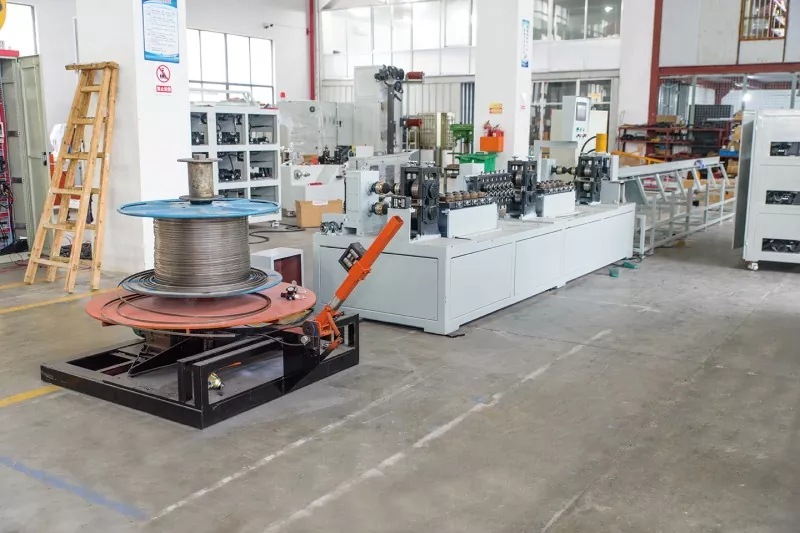
In the world of non-ferrous metal production, sustainability isn't just a buzzword; it's a dynamic shift reshaping entire supply chains. Producers are increasingly adopting practices like closed-loop recycling systems that transform scrap metals back into high-quality materials, drastically cutting down on raw material extraction. Beyond recycling, many companies now implement energy-efficient smelting technologies, powered by renewable sources such as solar or wind, to reduce their carbon footprint. These approaches not only conserve natural resources but also drive down operational costs, making them a win-win for both the environment and bottom lines.
A key differentiator in sustainable metal production lies in innovative water management and pollution control. Unlike traditional methods that often lead to significant water waste and contamination, leading producers invest in advanced filtration and closed-circuit water systems. For instance, some facilities now treat and reuse up to 95% of their process water, minimizing freshwater use and preventing harmful discharges. Coupled with real-time monitoring of emissions, these measures ensure that operations adhere to stricter environmental regulations while safeguarding local ecosystems and communities from potential harm.
Looking ahead, the push for sustainability is fostering deeper transparency and ethical sourcing across the industry. Many metal producers are embracing blockchain technology to trace materials from mine to market, ensuring that every step of the process meets ethical and environmental standards. This traceability addresses concerns around conflict minerals and promotes fair labor practices, enhancing brand reputation. Additionally, companies are partnering with stakeholders to develop products with longer lifespans or easier recyclability, embedding sustainability into the very design of metals used in everything from electronics to infrastructure.
Market Dynamics and Global Demand for Copper and Aluminum
Copper and aluminum, with their unique properties, have emerged as pivotal players in today’s industrial and technological landscapes. Copper’s superior conductivity, coupled with aluminum’s lightweight strength, positions these metals at the heart of major global trends, including the rapid expansion of renewable energy projects and the ongoing revolution in electric vehicle manufacturing. This dynamic interplay is not just about meeting current needs; it’s a reflection of how these materials are shaping a more sustainable and electrified future, making them indispensable in everything from modern construction to cutting-edge electronics.
Recent market shifts have highlighted a surge in demand, particularly from emerging economies where infrastructure development and urbanization are accelerating at an unprecedented pace. While copper finds its niche in electrical grids and telecommunications due to its reliability, aluminum’s role is expanding in sectors like packaging and transportation, where its lightness helps reduce energy consumption. This dual demand forces industries to adapt to supply chain disruptions and price volatility, yet it also sparks innovation in recycling and extraction technologies, ensuring these metals continue to drive progress without overwhelming our environmental footprint.
Looking ahead, the global appetite for copper and aluminum shows no signs of slowing down. As nations push for greener solutions, these metals are set to become even more critical, influencing everything from climate policies to economic strategies. The narrative around them is evolving beyond mere commodities to essential components in the race toward a low-carbon economy, underscoring their lasting impact on how we live and work.
Technological Advancements in Metal Fabrication Processes
In recent years, metal fabrication has evolved dramatically, driven by leaps in digital technologies that streamline traditional methods and open new creative horizons. For instance, the integration of artificial intelligence and machine learning into CNC machining allows for real-time adjustments and predictive maintenance, slashing downtime and material waste while boosting precision. This shift not only enhances efficiency but also enables the production of complex geometries that were once deemed impossible, pushing the boundaries of what can be achieved in industries from aerospace to custom automotive design.
Another standout innovation is the rise of additive manufacturing, such as 3D printing with metals like titanium and aluminum, which has transformed prototyping into a rapid, cost-effective process. Unlike conventional subtractive techniques, this method builds parts layer by layer, reducing lead times and allowing for on-demand production of lightweight, high-strength components. It's particularly revolutionizing sectors like medical implants and aerospace, where tailored solutions and intricate internal structures are paramount, offering a level of customization that was previously unattainable with older fabrication approaches.
Moreover, advancements in automation and robotics are reshaping the fabrication landscape, with collaborative robots (cobots) working alongside human operators to handle repetitive tasks like welding and assembly. This synergy improves safety by reducing exposure to hazardous environments and increases throughput through consistent, high-quality outputs. Coupled with smart sensors and IoT connectivity, these systems provide real-time data insights, enabling proactive quality control and adaptive manufacturing processes that respond dynamically to changing demands, making metal fabrication more agile and resilient in today's fast-paced market.
Economic and Environmental Impacts of Raw Material Sourcing
Raw material sourcing drives global economic activity, influencing everything from corporate profits to national GDPs. Companies often seek lower-cost sources to boost margins, while governments may prioritize domestic extraction to create jobs and reduce trade deficits. However, this economic push can lead to over-exploitation, price volatility, and supply chain disruptions. Balancing cost efficiency with long-term stability remains a key challenge, as firms weigh immediate gains against future risks.
Environmental consequences are equally profound, with activities like mining and logging causing habitat destruction, soil erosion, and water pollution. This not only threatens biodiversity but also increases greenhouse gas emissions from extraction and transport. Communities near sourcing sites often face health issues, while the global effects, such as climate change, highlight how localized practices can have far-reaching impacts.
In response, integrated approaches like circular economies and sustainable sourcing are gaining traction. These methods aim to minimize waste and environmental harm while still supporting economic growth. Success stories from industries like electronics and fashion show that innovative strategies can reduce negative effects, suggesting that a thoughtful balance between economic and environmental goals is both possible and profitable for the future.
Future Trends in Alloy Development and Applications
In the realm of materials science, alloy development is shifting toward smarter, more sustainable solutions that cater to specific industrial demands. Researchers are increasingly focusing on high-entropy alloys, which combine multiple principal elements to achieve unprecedented properties like exceptional strength at extreme temperatures, corrosion resistance, and lightweight durability. This trend isn't just about creating stronger materials; it's pushing the boundaries of what's possible in aerospace, automotive, and biomedical fields, enabling more efficient engines, safer implants, and longer-lasting infrastructure.
Meanwhile, applications are expanding beyond traditional sectors, driven by innovations in additive manufacturing (3D printing) and nanotechnology. Alloys tailored for 3D printing allow for complex, customized designs that were once impractical, revolutionizing prototyping and production in industries such as energy and electronics. Nanostructured alloys, with their enhanced mechanical and thermal properties, are opening doors to next-generation devices, from flexible electronics to advanced sensors that monitor environmental changes or medical conditions in real-time.
Looking ahead, the integration of artificial intelligence and machine learning is poised to accelerate alloy discovery and optimization, reducing reliance on trial-and-error methods. This data-driven approach not only speeds up development but also supports eco-friendly practices by minimizing waste and energy consumption. As these trends converge, the future of alloys promises not only improved performance but also a greater emphasis on recyclability and resource efficiency, shaping a world where materials work smarter and last longer.
FAQ
Growing adoption of electric vehicles and renewable energy infrastructure is pushing copper consumption to new heights, as these sectors rely heavily on its conductivity and durability.
Lightweighting initiatives are propelling aluminum into more structural components, with innovations in alloys enhancing strength while reducing weight for improved fuel efficiency and performance.
Advanced automation and AI-driven quality control systems are streamlining production, minimizing waste, and boosting precision in metal fabrication processes.
Yes, there's a strong shift towards recycled materials and energy-efficient smelting methods to lower carbon footprints and meet stricter environmental regulations.
Geopolitical tensions and logistical bottlenecks could disrupt raw material flows, prompting manufacturers to diversify suppliers and stockpile strategic reserves.
Volatile pricing is driving engineers to optimize material usage, sometimes substituting or blending metals to balance performance with affordability.
New composite alloys with enhanced thermal and electrical properties are emerging, particularly for electronics and advanced manufacturing needs.
Stricter emissions standards and recycling mandates are compelling industry players to invest in greener technologies and closed-loop systems.
Conclusion
In 2024, copper and aluminum manufacturing is witnessing significant transformations driven by innovations across the supply chain and evolving market dynamics. Technological advancements in metal fabrication processes, such as automation and AI integration, are enhancing efficiency and precision in production. Simultaneously, sustainability practices are gaining momentum, as producers adopt greener methods like recycling and energy-efficient smelting to reduce environmental footprints. The global demand for these non-ferrous metals continues to rise, fueled by sectors like renewable energy and automotive industries, with economic impacts from raw material sourcing emphasizing the need for strategic trade and local sourcing to mitigate volatility.
Future trends highlight the development of advanced alloys tailored for specific applications, such as lightweight materials in aerospace and durable components in construction. The integration of sustainability into alloy development is fostering new uses while addressing environmental concerns. Overall, the industry is navigating a complex landscape where technological innovation, market demand, and environmental responsibility converge, shaping a more resilient and forward-looking manufacturing ecosystem for copper and aluminum in the years ahead.
Contact Us
Contact Person: Rayna
Email: [email protected]
Tel/WhatsApp: 86 -173 1474 6343
Website: https://www.grmrollingmill.com/