
Dongba Culture Lijiang Top Attractions: Must-See Sacred Sites and Ancient Traditions
2026-08-09
Tucked away from Lijiang’s crowded lanes, the ancient Dongba world still whispers through misty peaks and sacred springs. Here, shamans chant pictographic scriptures, and every ritual springs from a living bond with nature. At Jade Water Village, you can touch this enigmatic culture—not behind glass, but in the rhythms of daily Naxi life.
Whispers on the Wind: Spiritual Threads of the Naxi People
High in the foothills of the Himalayas, the Naxi people have woven a spiritual tapestry so intricate that it seems to shimmer just beyond the edge of ordinary perception. Their world is not divided sharply into sacred and profane; instead, the divine breathes through every mountain, stream, and gust of wind. This animistic heart beats strongest in the Dongba tradition, a path walked by ritual specialists who serve as mediators between the seen and the unseen. Unlike many formalized religions, the Dongba faith has no founder and no single scripture that codifies belief. It is, rather, a living conversation with ancestors, nature spirits, and the forces that shape daily life. When a Dongba priest chants an ancient text, he is not merely reciting words—he is tracing the invisible lines that connect the Naxi to their origins, lines written in the only pictographic script still actively used in the world today.
The wind itself is a carrier of messages and memories for the Naxi. It rustles through the pages of their sacred manuscripts, which are replete with symbols of birds, trees, and celestial bodies, each one a doorway to a deeper truth. Central to their spiritual landscape is the veneration of Shu, the serpent-spirit of nature, who guards the delicate balance between human activity and the wild. Through rituals that can span days, the Naxi seek to restore harmony whenever that balance is disturbed—a philosophy that feels remarkably urgent in an age of ecological crisis. Equally poignant is the culture of suicide for love, immortalized in the epic tale of "The Lovers' Retreat to the Jade Dragon Snow Mountain." Here, star-crossed couples, often thwarted by rigid clan rules, chose to end their lives together, believing they would ascend to a paradise free from societal constraints. This tragic yet romantic thread reveals a people for whom emotion and the afterlife are as real as the stone underfoot.
To wander through a Naxi village is to walk inside a living prayer. The old women in their capes with seven stars—a map of the Pleiades on their backs—move slowly, their presence a quiet benediction. Music, too, is a conduit for the sacred; the ancient Baisha Fine Music ensemble, with its haunting melodies transmitted across generations, still offers a soundtrack to ceremonies that honor both ancestors and the cycle of the seasons. In every note and every carefully inked pictograph, the Naxi remind us that spirituality is not something we seek—it is the very ground beneath us, the whisper in the air, and the thread that ties all beings together across time.
Where Stone Speaks: The Living Murals of Baisha
In the quiet town of Baisha, tucked beneath the towering Jade Dragon Snow Mountain, ancient walls do more than stand—they whisper. The Baisha murals, painted over six hundred years ago, remain startlingly alive, their pigments still vibrant with stories of caravans, deities, and daily life along the old Tea Horse Road. Unlike static museum relics, these frescoes seem to breathe with the mountain air, their figures caught mid-gesture as if they might step out from the plaster at any moment.
What makes these murals truly singular is their voice—a visual chorus blending Taoist immortals, Buddhist bodhisattvas, and Naxi shamans in one sacred space. Look closely and you'll spot a Tibetan lama chatting with a Confucian scholar under the same pine tree, while a local hunter offers tea to a traveling merchant. This unheard-of mingling of beliefs wasn't just artistic license; it was the soundtrack of a crossroads culture that thrived on openness and exchange.
Time has been both kind and cruel to these speaking walls. Earthquakes have shaken them, monsoons have seeped through, yet the core narratives endure, retold in every brushstroke. To stand before them today is to eavesdrop on a conversation that began in the Ming dynasty and still hasn't finished—a testament to stone that chose not to be silent.
Rituals Reborn: Midnight Dances and Sacrificial Echoes
When dusk swallows the last ember of daylight, the village stirs with a feverish rhythm. Bare feet stamp against cold earth, each thud a heartbeat synced to the unseen. Torches lick the darkness, painting swaying silhouettes that twist like reeds in a storm—this is no performance, but a channeling of something older than memory. The dancers spiral inward, their breath misting in the night air, and for a suspended moment, the boundary between flesh and spirit feels impossibly thin.
At the core of these gatherings lies an unspoken pact: an offering given, a blessing anticipated. Not in the sterile sense of transaction, but in the raw economy of survival and reverence. A sheaf of grain, a carved bone, a drop of blood—each sacrifice carries the scent of desperation and devotion mingled. The echoes of these acts linger not in stone temples, but in the cracked lips that sing, in the soil that presses against open palms, in the sudden hush before the first crow of dawn.
Something peculiar happens when ancient rites are coaxed back from the brink of forgetting. They arrive transformed, woven with the threads of contemporary need yet humming with ancestral resonance. In a clearing where high‑rises once threatened, modern hands pour libations with the same trembling hope as their forebears. The rituals don't cling to purity—they adapt, absorb, and persist, proving that what we call revival is often just a deeper remembering, carved into the muscle and marrow of those who dare to dance under a midnight sky.
Beyond the Glacier: Pilgrim Paths and Holy Heights
The ice recedes, and what remains is more than barren ground—paths etched by centuries of devotion wind upward, past wind-carved stone and wildflower meadows. Here, the air thins and the world below fades into a patchwork of green and gray. These trails, once trod by monks and mystics, now welcome anyone with the will to walk them, offering silence as a companion and the distant peaks as a destination both physical and spiritual.
Each step feels deliberate on these high-altitude pilgrimages, where cairns serve as waymarkers and the only sounds are the crunch of boots on gravel and the occasional cry of a golden eagle. The landscape is raw—untamed and monochromatic in the shadow of glaciers, yet bursting with alpine color near the snowline. It’s a journey inward as much as upward, a chance to shed the noise of routine and find something older, something quieter, in the thin mountain air.
Unlike the crowded tourist paths, these routes demand resilience and reward with solitude. You’ll cross ancient moraines, pass forgotten hermitages built into cliffs, and maybe pause at a spring where pilgrims have cupped their hands for a thousand years. The glaciers shimmer in the distance, not as barriers but as witnesses to your progress—a reminder that the holy isn’t confined to cathedrals, but sometimes waits at the very edge of the snow.
In the Master’s Shadow: Handwritten Scripts and Soulful Ink
There’s a quiet reverence in standing before a manuscript penned centuries ago. The ink, now faded to a sepia whisper, still holds the urgency of a mind at work—marginalia crowding the edges, a correction hurriedly scratched out, the slant of letters leaning into an idea. These pages are not just artifacts; they are afterimages of thought, the shadow a master casts long after the hand has stilled.
To trace a finger above the script (never touching, of course) is to feel the rhythm of a vanished pulse. Each loop and ligature speaks of patience or impatience, of candlelit nights and ink-stained cuffs. The soulful ink becomes a conduit—not merely for words, but for the very breath of their making.
In our age of polished fonts and instant messages, such handwritten relics remind us that writing was once a physical act, an intimate negotiation between mind and material. They stand as enduring shadows, not of absence, but of a luminous presence that refuses to be entirely extinguished.
Echoes of the Ancients: Village Fireside Tales and Timeless Song
Beyond the cottage walls, the night folds in, damp with the scent of cut hay and woodsmoke. Around the hearth, faces glow in ribbons of firelight. This is where memory doesn't simply survive—it breathes. An old woman, hands trembling to the rhythm of decades, begins a story not from a book but from blood. Her voice cracks like embers as she recalls the winter the river froze so hard the water spirits could be heard singing beneath the ice. No one interrupts. Outside, an owl cries; inside, the ancient world presses close, refilling the room. Every tale is a thread in a fabric older than the village itself, woven from visions and warnings, love and sudden sorrow. And when the story ends, a fiddle lifts from the shadows, drawing a tune that no one learned and everyone knows—each note a remnant of harvests, weddings, and funerals, smoothed by time like river stones.
FAQ
Dongba culture is the soul of the Naxi people, rooted in a unique blend of animism, ancestor worship, and Tibetan Bon influences. It stands out because it’s preserved in a living pictographic script—the only one still used in the world today—and woven into daily life through shaman-led rituals, sacred murals, and a deep reverence for nature that you won’t find in quite the same way elsewhere in the region.
Skip the crowded Old Town corners and head to Baisha Village early in the morning. The Baisha Mural Museum is an obvious stop, but the real magic happens when you wander the lanes behind it, where Naxi elders still practice papermaking and scripture chanting in quiet courtyards. Another gem is Yuhu Village, where Joseph Rock’s old house sits quietly by a lake, and you can chat with villagers who maintain their Dongba heritage without fanfare.
Jade Dragon Snow Mountain isn’t just a backdrop; it’s a divine guardian in Naxi myth. Take the lesser-used Yak Meadow cable car and walk the highland trails where you’ll spot stone cairns and prayer flags left by Dongba priests. Down below, the village of Shuhe has the Dragon Pool, where locals still make offerings for rain and harvest—far more intimate than the main Lijiang water wheels.
If you’re lucky to visit during the Torch Festival (late June or July, based on the lunar calendar), you’ll see Dongba priests leading fire blessings and chanting epics in the night. Even outside festival days, you can request a private blessing ceremony at the Dongba Cultural Institute near Black Dragon Pool—it’s a humbling experience, not a performance.
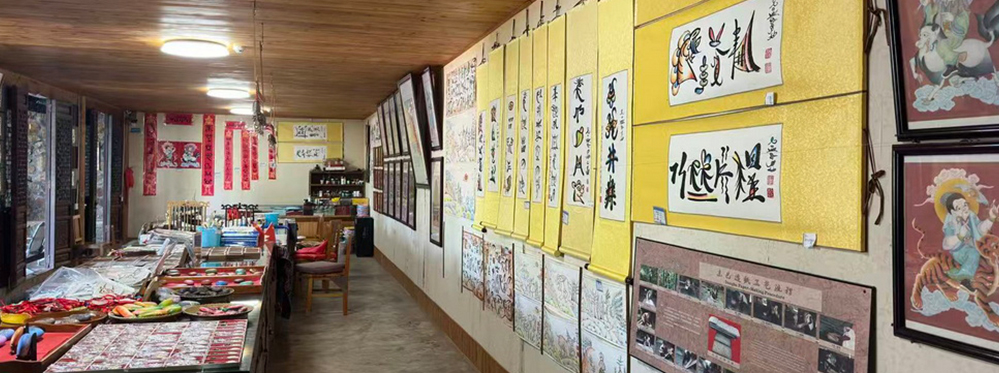
It’s a pictographic script where each symbol represents an idea or object, not a sound. You’ll see it carved on wooden slats and painted on handmade paper in the study rooms of Baisha. For a hands-on encounter, visit the Lijiang Dongba Culture Museum, where a practitioner might show you how a single character can tell a whole story—like the one for ‘home,’ which combines a roof, a woman, and a fire pit.
Take a bike or hire a car to Wenhai Lake, a seasonal alpine lake wrapped in forest. There’s an ecolodge there run by a Naxi family who keep a small Dongba shrine on the hillside. You can hike up to it through rhododendron groves, and if you ask kindly, the owner might show you the prayer books his grandfather used to heal sick livestock—it’s a side of the culture most miss.
Approach as a curious learner, not a customer. If you visit a ceremony or a sacred grove, ask permission before taking photos. A small offering of incense or local wine, accepted in the moment, opens doors more than cash. And don’t expect a show—real Dongba practice is often slow, quiet, and deeply personal. Let the priest set the pace, and you’ll walk away with something far more meaningful than a souvenir.
Conclusion
Stepping into Lijiang’s ancient quarters, the Dongba culture reveals itself not as a relic behind glass but as a living, breathing presence. The spiritual threads of the Naxi people still drift through mountain mists, woven into whispered chants and wind-blessed prayer flags. At the heart of this tradition lie the sacred sites, where stone speaks volumes: the Baisha murals narrate tales of coexistence between Buddhism, Taoism, and shamanic rites, their vivid hues defying centuries. As dusk falls, the echo of sacrificial drums and midnight dances rekindles age-old bonds between humans and deities, a reminder that ritual is never truly lost—it merely awaits rebirth in the flicker of firelight.
Beyond the cobbled lanes, pilgrim paths ascend towards holy heights, tracing the footsteps of masters who once carved pictographs into the bark of trees. Here, the landscape itself becomes scripture—Jade Dragon Snow Mountain eternally guarding the Naxi soul. In the shadow of those sages, handwritten scripts still breathe, each stroke an intimate dialogue between ink and spirit. And as night blankets the villages, fireside tales spin an unbroken thread of memory: timeless songs carry the weight of ancestors, the laughter of everyday life, and the fierce pride of a people who continue to inscribe their story, not on fading pages, but on the living canvas of their homeland.
Contact Us
Contact Person: Changhong He
Email: [email protected]
Tel/WhatsApp: 086-0888-5190152
Website: https://vip.e-baixing.com/ysh