

Electric Wheelchair for the Elderly: Choosing High-Quality Models for Safety and Comfort
2026-08-13
When it comes to mobility for our aging loved ones, safety and comfort aren’t just nice-to-haves—they’re non-negotiables. The search for the right electric wheelchair can feel overwhelming, with countless models promising reliability yet falling short in real-world use. But what if you could skip the guesswork and choose a chair built from the ground up for elderly users? From sturdy frames that prevent tipping to plush seating that eases pressure points, the details matter more than you think. And for those who refuse to compromise, Freedomchair has emerged as a standout option—crafted with a focus on ergonomic support and dependable performance. In this post, we’ll walk you through the key features that define high-quality electric wheelchairs for seniors, so you can make a confident choice for yourself or someone you love. Let’s dive into what truly separates the best from the rest.
Where Many Electric Wheelchairs Fall Short on Safety
Most electric wheelchairs are built around flat, indoor use, so their stability on sidewalks, ramps, or uneven pavement is often marginal. The small front caster wheels can snag on cracks or loose gravel, causing a sudden stop or a forward pitch that throws the user off balance. Anti-tip bars, when included, are usually too short or too flexible to catch a chair that starts to tip backward on a steep curb cut.
Braking performance is another area where real-world conditions are rarely accounted for. Stopping distances increase noticeably on wet tile, sloped driveways, or dusty concrete, yet product manuals seldom provide figures beyond a basic indoor test. The parking brake may hold fine on level ground but can release or creep when the motors are disengaged on an incline, leaving a user stranded or sliding toward traffic.
Visibility and control safety get less attention than they should. Many chairs lack side reflectors and only have a dim rear light, making them hard to spot at dusk or in parking lots. Joystick guards are often optional, so a bumped elbow or a grocery bag can trigger unintended movement. Electrical connectors under the seat are exposed to rain splash and road salt, leading to intermittent power loss or sudden control faults that no amount of routine charging can fix.
Seat Comfort Goes Deeper Than Extra Padding
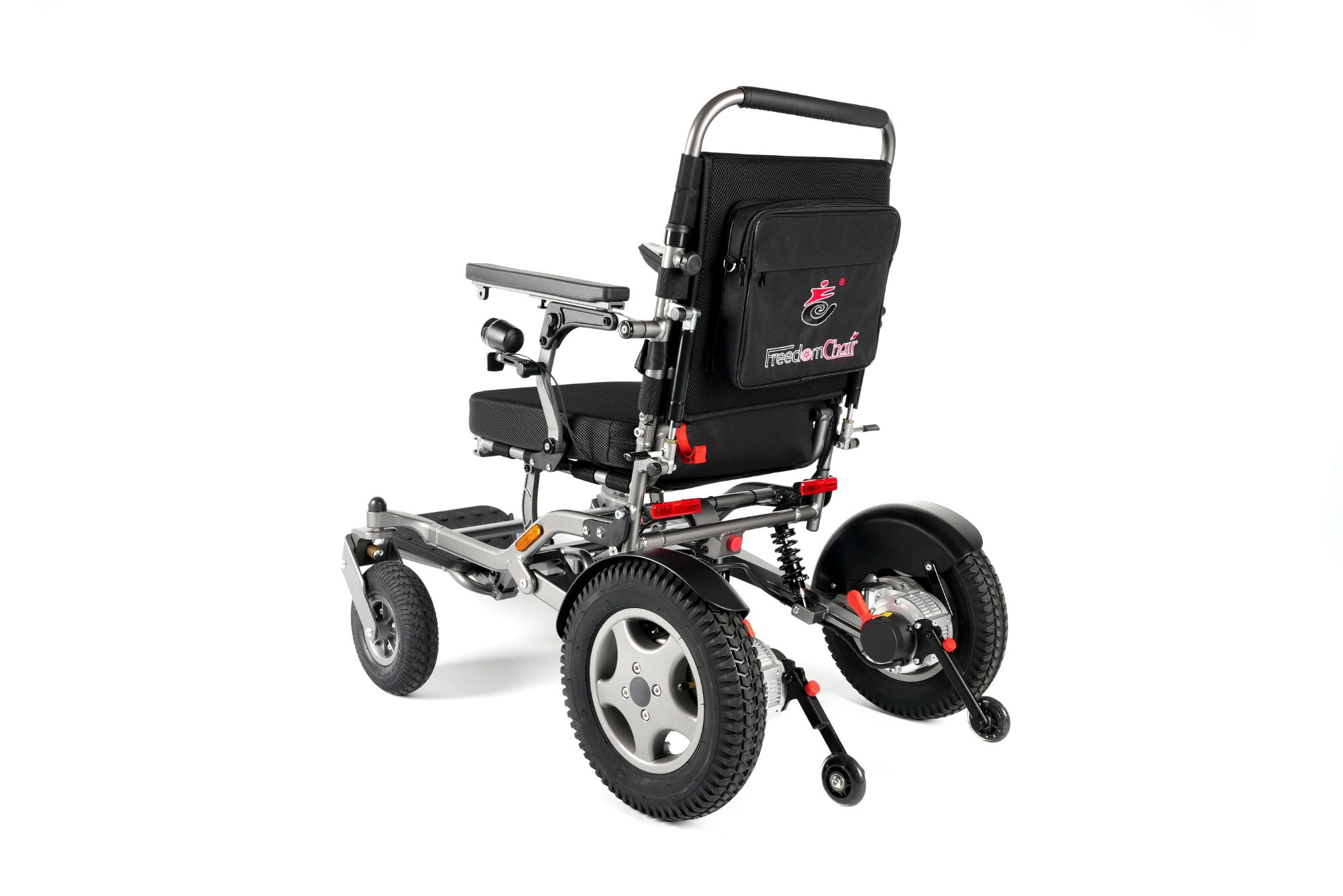
Thick foam can feel soft at first but often collapses under sustained load, creating pressure points. Real comfort comes from how the seat structure manages weight distribution, not how much padding it stacks on top.
A well-designed seat uses varying foam densities, tuned suspension, and contoured frames to keep your pelvis in a neutral position. This reduces muscle fatigue because your body isn't constantly making micro-adjustments to stay balanced.
Breathability and material choice matter just as much. Dense, non-porous padding traps heat and moisture, which makes even a plush seat feel uncomfortable on long drives. Open-cell foams, ventilated fabrics, and pressure-relief channels often do more for comfort than simply adding another inch of cushion.
Battery Range Claims vs. Real Days Out
Every spec sheet promises weeks of adventure on a single charge, but actual trail time rarely matches the marketing math. Cold mornings, steep climbs, and the occasional wrong turn drain cells far faster than lab tests suggest. If you plan a three-day trip around the advertised range, you might find yourself rationing power by noon on day two.
The gap comes down to how we measure. Manufacturers test on flat ground with a fresh battery, light load, and optimal temperature. Real days out mean mud, extra gear, and that friend who insists on taking the scenic detour. A smarter approach: assume you'll get about two-thirds of the claimed range, then carry a spare pack or plan a midday top-up stop.
Before you trust the number on the box, check user reports from riders who actually push limits. Look for range tests in similar terrain and weather, not parking-lot loops. The best metric isn't the manufacturer's claim—it's how many real trail days you get before the low-battery warning becomes your least favorite trail companion.
Tight Hallways and Sharp Turns: The Specs That Matter
Most robot vacuums handle open floors without complaint, but narrow passages expose weak turning logic. A machine that pivots in wide arcs will wedge itself between a wall and a coat closet. Look for a turning radius under 50 centimeters and a body width below 35 centimeters. These two numbers tell you more than marketing phrases like “slim design” ever will.
Sharp turns matter just as much as straight-line width. Models with differential steering can rotate in place, while cheaper units need forward movement to change direction. In an L-shaped hallway, that extra forward shuffle often means repeated bumps and a missed corner. Check if the spec sheet lists a zero-turn mode or in-place rotation. If it doesn’t, assume it will struggle when a hallway meets a doorframe at ninety degrees.
Suspension travel and side-brush reach also affect tight-space behavior. A robot with stiff suspension lifts its drive wheels on uneven thresholds, losing traction exactly when it needs to back out of a narrow dead end. Side brushes that extend past the body can flick debris into spaces the vacuum cannot enter, but only if they maintain contact with the floor through turns. Compare those measurements side by side rather than trusting a single “navigation” badge.
Adjustability That Keeps Pressure Sores and Joint Aches Away
Instead of asking you to settle into one rigid position and hope for the best, the adjustment points let you redistribute weight throughout the day. That continuous, subtle shifting is what keeps vulnerable areas from staying compressed long enough for a pressure sore to start.
The real payoff shows up in your joints. By fine-tuning the angle and height of the support surface, you can take the load off a stiff knee or a tender hip without having to brace yourself with pillows or folded blankets. Small changes in tilt or elevation make a noticeable difference by the end of the day.
Aches and skin breakdown don't follow a fixed schedule, so adjustability shouldn't be a one-time setup. Being able to tweak the position as your body warms up, as swelling changes, or as you shift from reading to resting means the support keeps matching what you actually need rather than what a showroom setting assumed.
Signs of a Wheelchair Built to Last More Than a Few Years
The first thing I look at is the frame itself. A wheelchair that’s going to survive more than a couple of years will have reinforced gussets at the high-stress joints, not just a single bead of weld. If you see hairline cracks forming around the caster mounts or the crossbrace after six months, that chair is already telling you it won’t make it.
Then there are the everyday touch points. Armrest pads, footplates, and push rims should feel solid and dense—cheap plastic that flexes or hollow-sounding tubing is a giveaway. Well-built chairs use replaceable wear strips and threaded metal inserts instead of self-tapping screws, because those screws will strip out long before the chair wears out.
Finally, check the warranty terms and parts availability. A company that builds for longevity will back the frame for at least five years and still stock replacement forks, axle sleeves, and bearings for older models. If you can’t easily order a simple part three years down the road, you’re not buying a durable chair—you’re renting a temporary one.
FAQ
Look beyond basic seatbelts. A low center of gravity and anti-tip rear wheels make a real difference on ramps or uneven pavement. Electromagnetic brakes that engage automatically when the joystick is released prevent rolling on slopes, and a speed limiter lets you cap the maximum pace to match the user's reflexes.
Check the cushion material and adjustability rather than just the padding thickness. Memory foam or gel-infused layers reduce pressure points, while a seat that slides or rotates can ease transfers. Armrests that lift away and a backrest that reclines slightly help shift posture and avoid stiffness during extended sitting.
Yes. For frequent outdoor trips, choose lithium-ion batteries with a range of at least 15 miles per charge and a charging time under eight hours. For mostly indoor use, smaller sealed lead-acid batteries cost less and still handle short distances. Always ask about replacement cost and whether the battery can be charged without removing it from the chair.
Wide, non-slip footplates with heel loops keep feet from sliding forward. A joystick controller that can be switched to the left or right side accommodates weakness or tremor on one side. Reflective strips on the frame and a small horn or bell add visibility in parking lots and shared paths without being intrusive.
It matters more than top speed. A tight turning radius, ideally under 30 inches, lets the chair navigate doorways, bathrooms, and narrow hallways without scraping walls. Models with mid-wheel drive often pivot in place, while rear-wheel drive feels more stable outdoors but needs wider spaces to turn.
Keep the joystick and charging port free of dust, check tire pressure every two weeks for pneumatic tires, and tighten any loose bolts monthly. Store the chair in a dry place and avoid fully draining the battery—topping it off after each use helps preserve cell health. An annual professional inspection of the motor and brake wiring is worth the small cost.
Yes, if the wheelchair may need to go in a car for medical visits or family outings. Foldable frames save trunk space and reduce lifting strain. Even at home, a folding backrest or removable footrests make it easier to move the chair through tight storage areas or into a closet.
Durable frame materials like aluminum or magnesium reduce weight without sacrificing strength. Programmable controllers that smooth acceleration and braking prevent jarring movements. A longer warranty on the motor and frame, plus available local service, often saves money over time despite the initial cost.
Conclusion
Many electric wheelchairs marketed for elderly users look dependable in glossy brochures but reveal serious shortcomings once brought home. The most overlooked issue is stability: a chair that feels secure on flat showroom floors can tip or slide on ramps, uneven pavement, or thick carpet. Before trusting any model, check how it handles sudden stops, side slopes, and curb-like edges. Seat comfort is another area where surface-level design fails. Extra foam padding does little if the seat pan lacks proper contouring or if the backrest forces a slouched posture. High-quality chairs distribute pressure across the thighs and buttocks, use breathable cover materials to reduce heat and moisture, and support the spine's natural curve. Battery range is equally prone to exaggeration. A stated "15-mile range" often assumes a light user, smooth terrain, warm weather, and a new battery. In real outings with hills, headwinds, or frequent stops, that figure can drop by a third or more. Ask for watt-hour capacity and, if possible, test the chair on a route similar to your daily needs.
Tight hallways and sharp turns expose another design weakness. A chair with a wide turning radius forces a caregiver to lift and reposition it constantly, which defeats the purpose of independent mobility. Look for a tight turning radius, narrow overall width, and responsive joystick control that doesn't lurch. Adjustability matters just as much for long-term health. A seat height that cannot be changed, armrests that are fixed too high or too low, and a footplate without angle adjustment all contribute to pressure sores, hip pain, and stiff knees. Over months of daily use, these small mismatches add up. Finally, durability is visible in the details: a rigid steel or aluminum frame, reinforced joints, sealed electronics, and replaceable parts like tires and armrest pads. A wheelchair that creaks on day one or uses proprietary batteries that are hard to source will not stay reliable. Prioritize models with clear maintenance guides and warranties that cover the motor and frame for several years, not just a few months.
Contact Us
Contact Person: Calvin Fan
Email: [email protected]
Tel/WhatsApp: 8618913265607
Website: www.freedom-chair.com