

Energy-Saving HVAC System Wholesaler Guide to Lowering Building Energy Costs
2026-10-21
If your building's energy bills keep climbing despite upgrades, the problem might not be your HVAC equipment—it's your wholesaler. Most facility managers focus on the unit itself, but an energy-saving HVAC system starts with a supplier who understands real-world load profiles and hidden efficiency losses. At Tongbaote, we help building owners and contractors cut long-term energy costs without guesswork. This guide breaks down the wholesale-level decisions that matter most, from coil configuration to part-load performance, so you can finally see where those dollars are going—and keep them.
Stop Oversizing: Why Right-Sized HVAC Units Cut Energy Bills Faster
It is easy to assume that a bigger air conditioner or furnace will cool or heat a home faster and somehow save money in the long run. In reality, an oversized unit reaches the set temperature too quickly and then shuts off before completing a full cycle. This short cycling wastes energy during the frequent start-ups, drives up your monthly bill, and leaves the system struggling to maintain steady comfort.
A right-sized HVAC unit is matched to the actual heating and cooling load of your home, so it runs longer, steadier cycles instead of lurching on and off. Those longer cycles allow the equipment to settle into its most efficient operating range, pulling less power overall while doing the same job. Because the unit is not wasting energy on constant restarts, you will notice the drop in your energy bill much sooner than with an oversized model.
Beyond the direct savings, a properly sized system also reduces wear on components and avoids the humidity problems that oversized air conditioners often cause. When the equipment runs the way it was designed to run, you get lower operating costs, fewer repair calls, and a faster payback on your investment. Stop guessing bigger is better and let a precise load calculation point you toward the size that actually cuts your bills.
The Part-Load Efficiency Gap: Why Most HVAC Systems Waste Energy
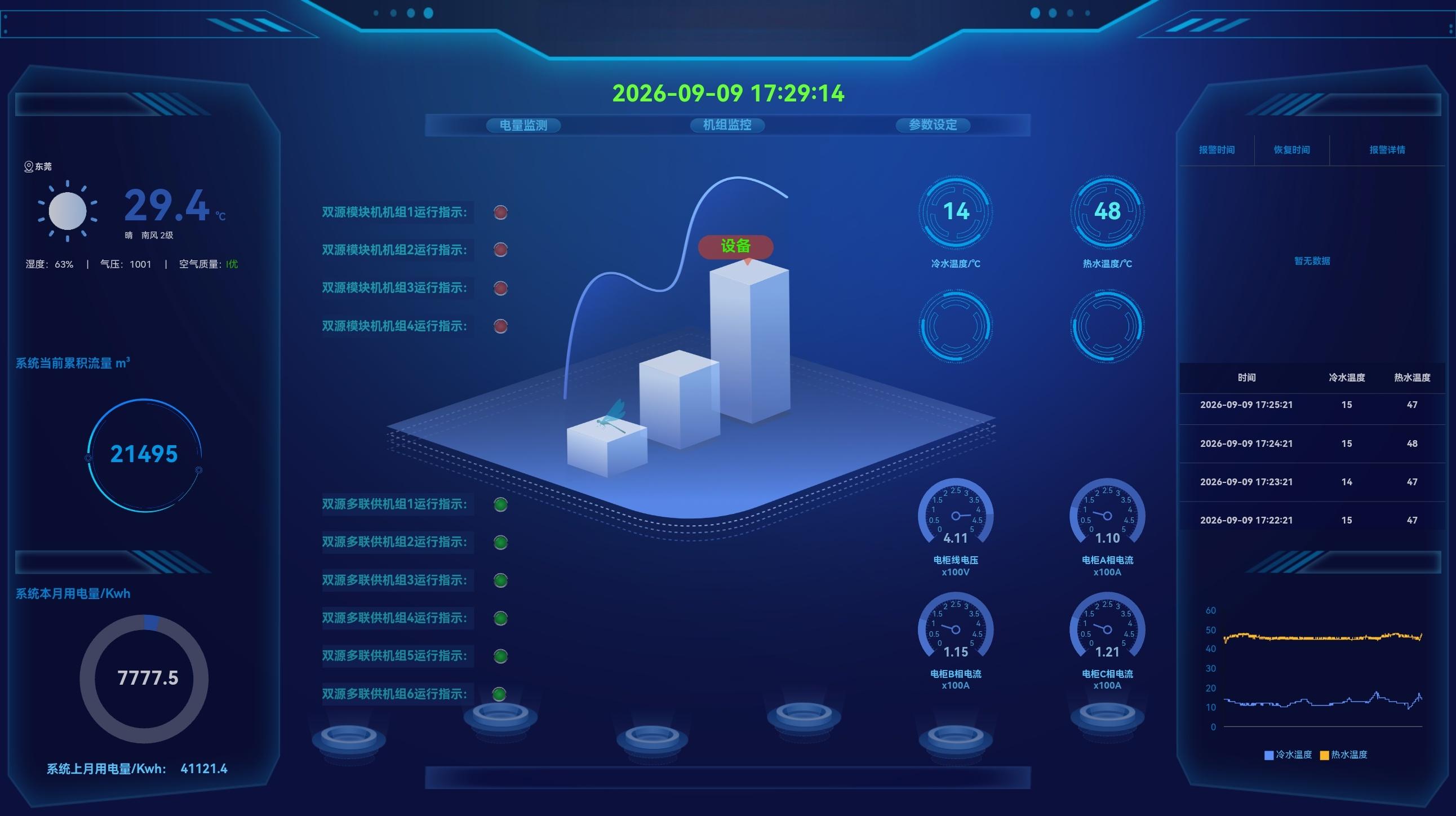
Most HVAC equipment is selected to handle the hottest or coldest day of the year, but those extremes account for only a handful of hours annually. The rest of the time, the system runs at 30%, 40%, or 50% of its rated capacity. That is where the part-load efficiency gap shows up: a unit might post impressive full-load efficiency numbers, yet consume far more energy per unit of cooling or heating when it is barely working. Fixed-speed compressors and fans simply cycle on and off, wasting energy during frequent startups and never settling into a stable, efficient rhythm.
Oversizing makes the problem worse. Contractors often add safety factors to the calculated load, resulting in equipment that is 20% to 50% larger than necessary. A larger unit satisfies the thermostat quickly and shuts down, then starts again shortly after. This short cycling not only reduces the effective coefficient of performance but also causes uneven temperatures and humidity swings. The gap between rated efficiency and real-world part-load performance can easily reach 20% to 40%, quietly inflating utility bills.
Closing the gap starts with honest load calculations and equipment that can modulate output. Variable-speed compressors, electronically commutated motors, and multi-stage burners allow the system to match its output to the actual demand, maintaining efficiency across a wide operating range. In many buildings, the cheapest energy savings come not from replacing old equipment with a higher SEER or EER model, but from right-sizing and choosing part-load-friendly technology that avoids the wasteful on-off cycle altogether.
Heat Recovery Ventilation: The Upgrade That Pays for Itself
Most homes either leak air like a sieve or seal it so tight that stale, moisture-laden air has nowhere to go. Heat recovery ventilation fixes both problems at once. It continuously pulls fresh outdoor air inside while exhausting the stuffy air from kitchens, bathrooms, and living spaces. The clever part is what happens in between: a heat exchanger transfers the warmth from the outgoing air to the incoming stream before it ever reaches your rooms. In winter, that means you’re not paying to heat cold outdoor air from scratch. In summer, the process reverses, easing the load on your air conditioner.
The financial payoff comes from smaller utility bills month after month. Because the system recovers up to 90% of the heat that would otherwise escape through exhaust fans, your furnace and AC don’t have to work as hard. Add in the reduced risk of mold, condensation, and indoor pollutants — problems that often lead to costly repairs or health issues — and the savings extend well beyond energy. Many homeowners find the unit covers its own cost within five to seven years, then keeps saving for decades.
What makes this upgrade feel less like an expense and more like an investment is how quietly it operates in the background. There’s no need to open windows on cold mornings or run noisy bathroom fans all day. The air inside stays fresh, balanced, and comfortable year-round, while the equipment chugs along using less electricity than a standard light bulb. When you compare the upfront price to the long-term drop in heating and cooling costs, it becomes clear why this is one efficiency upgrade that genuinely earns its keep.
What If Your HVAC System Knew Which Rooms Were Empty?
Imagine walking out of the guest bedroom after folding laundry and the airflow quietly shifts, redirecting cool air toward the living room where you actually are. That's the promise of occupancy-aware HVAC: instead of treating every room like it's occupied 24/7, the system reads motion, door sensors, or even CO2 levels to figure out where people are—and where they aren't.
The payoff isn't just lower utility bills, though that part's nice. It's the end of fighting over the thermostat in one room while another one sits empty and over-conditioned. By shutting vents or adjusting dampers in unoccupied spaces, the system keeps the rooms you're using comfortable without wasting energy on the ones you've left behind.
The hard part is avoiding constant on/off switching, which can wear out equipment. But modern systems with variable-speed fans handle it by reducing airflow gradually rather than slamming dampers shut. That kind of subtle response is what separates a clever idea from an annoying one.
Preventive Maintenance Isn’t Optional If You Want to Keep Saving
Skipping routine checkups on your equipment might feel like a way to cut costs now, but it quietly sets the stage for bigger failures down the road. A worn belt, a clogged filter, or a loose connection rarely announces itself loudly—it just chips away at efficiency until one day the whole system stalls. When that happens, you're not paying for a simple tune-up; you're paying for emergency labor, replacement parts, and lost production time. The math is blunt: a few dollars spent on prevention consistently beats a few hundred spent on repair.
Think of your savings account as a machine with moving parts. Every time you defer a small fix, you're borrowing against future stability without knowing the interest rate. A well-maintained system doesn't just run smoother; it uses less energy, needs fewer replacements, and keeps your operating budget predictable. That predictability is what allows you to keep saving month after month, instead of bracing for the next unexpected breakdown.
The real trap is believing that because nothing broke last quarter, maintenance can wait another quarter. But wear is cumulative, and the cost of neglect compounds faster than most people expect. Establish a simple schedule—whether it's monthly inspections or seasonal tune-ups—and stick to it like you would any other non-negotiable bill. The savings you protect will far outweigh the time and money you spend on upkeep.
Look Past the Purchase Price: A 10-Year Cost View for Buyers
The sticker price on a home is just the opening number in a much longer arithmetic. Taxes, insurance, utilities, maintenance, and occasional repairs don't announce themselves at the closing table, but they shape what ownership actually costs from year one to year ten. A buyer who only compares list prices might overlook two houses that are $30,000 apart on paper yet nearly identical in true monthly outflow once you factor in an aging roof or a poorly insulated addition.
Look at the less glamorous parts of the listing: the age of the HVAC system, the condition of the driveway, the direction the windows face, and how far the property sits from a flood zone or a high-fire-risk area. These details rarely make it into a headline price, but they quietly steer insurance premiums, energy bills, and the timing of five-figure replacements. A ten-year cost view forces you to ask not just "what does this house cost today?" but "what is this house likely to demand from me over the next decade?"
It also changes how you negotiate. Maybe the house with the newer roof and better insulation is worth offering slightly more for, because it saves you a roof replacement in year three and a heating upgrade in year six. Conversely, a cheaper house with a cracked foundation or outdated wiring isn't a bargain; it's a schedule of future invoices. Smart buyers don't budget for the purchase—they budget for the ownership. And that distinction is where real long-term value lives.
FAQ
Look beyond the label. Real savings come from variable-speed compressors, high SEER2 ratings, and smart zoning that matches output to actual demand. A unit with a high efficiency rating but poor installation or duct leakage will still waste energy, so the system design matters as much as the hardware.
A good wholesaler does more than ship boxes. They help with accurate load calculations, recommend equipment that fits the building's thermal profile, and connect you with contractors trained in proper commissioning. Some even offer post-sale support like airflow testing guidance or maintenance schedules that keep efficiency from drifting.
Ask for real-world performance data, not just marketing sheets. Verify that the units meet local efficiency rebate requirements, and check if the wholesaler stocks parts and provides technical help after the sale. A lower price means nothing if you're stuck waiting weeks for a replacement compressor.
An oversized system short-cycles, which wastes energy and leaves humidity unchecked. An undersized one runs constantly and still can't hold setpoints. Correct sizing using Manual J or similar software keeps the equipment in its most efficient operating range, which can cut energy use by 20% or more compared to a rule-of-thumb guess.
Often yes, if you target the right upgrades. Adding variable frequency drives to fans, swapping in high-efficiency motors, and installing smart thermostats can reduce HVAC energy use by 30-40% in older buildings. Payback periods of two to four years are common, especially where utility rates are high.
They stop the system from working when nobody needs it. Occupancy sensors, CO2-based demand ventilation, and setback schedules adjust airflow and temperature automatically. Over time, data from these controls also reveals inefficiencies like zones that over-cool or fans that run at full speed when half speed would do.
Focusing only on upfront cost is the big one. Cheaper units with lower efficiency ratings can cost far more over a decade of operation. Another mistake is ignoring compatibility with existing ductwork and controls, which leads to poor performance that no high-efficiency rating can fix.
Conclusion
Many building owners chase savings by oversizing HVAC equipment, but an oversized unit short-cycles, leaves humidity high, and burns more energy than a properly matched system. Right-sizing to the actual heating and cooling load cuts utility bills from day one. Even right-sized systems often waste energy at part load because traditional compressors and fans keep running at full speed when only partial output is needed. Variable-speed and modulating equipment closes this part-load efficiency gap. Pairing that upgrade with heat recovery ventilation captures warmth or coolness from exhaust air to precondition incoming fresh air, lowering the load on the main unit and often paying for itself through reduced energy spend.
Smart zoning takes savings further: occupancy sensors and dampers let the HVAC system back off in empty rooms instead of conditioning unused space. That only keeps working if preventive maintenance is routine—dirty coils, clogged filters, and low refrigerant quietly erase efficiency. Finally, wholesalers should steer buyers past the sticker price. A cheap fixed-speed unit can cost far more over ten years once energy, upkeep, and early replacement are included. The better play is to compare total cost of ownership: a well-sized, variable-speed system with heat recovery and zone controls may have a higher upfront price but a much lower 10-year operating cost. That shift in perspective turns HVAC from a fixed overhead into a controllable expense.
Contact Us
Contact Person: Wanshu Chen
Email: [email protected]
Tel/WhatsApp: +86-13662871206
Website: https://www.mbcee.com