

Heat Resistant Conveyor Belts: Top Options for High-Temperature Industrial Use
2026-11-16
Few things age a conveyor belt faster than sustained high heat. In steel mills, cement plants, and foundries, belts that carry hot clinker, sinter, or ash face a triple threat: thermal cracking, loss of tensile strength, and sudden delamination. Choosing a heat resistant conveyor belt isn't just about a temperature rating—it's about how the belt behaves after thousands of heat cycles. This article sorts through the top high-temperature options, including the performance-focused range from YUFENG, so you can separate marketing numbers from field-tested durability.
What Happens to Standard Belts When Temperatures Keep Climbing
Heat doesn't just soften a standard belt the way people expect; it quietly changes how the materials behave. Rubber compounds lose plasticizers and begin to stiffen, while the cord and backing expand at different rates. That mismatch throws off tension and makes the belt run slightly out of true, which is often mistaken for a simple adjustment problem at first.
As temperatures keep climbing, the damage moves from the surface inward. Fine cracks open along the ribs and sidewalls, giving heat a path into the carcass. The adhesive layer between the tensile cord and the rubber starts to break down, so the belt can look intact from the outside while gradually losing its ability to transmit power without slipping.
Eventually the failure becomes abrupt. A cord pulls loose, the backing delaminates, or the belt snaps under a normal load. By the time that happens, the real cause is rarely a single hot day but the accumulated effect of running a standard belt beyond the temperature range it was designed to handle.
Cover Compounds That Stay Pliable Instead of Turning Brittle
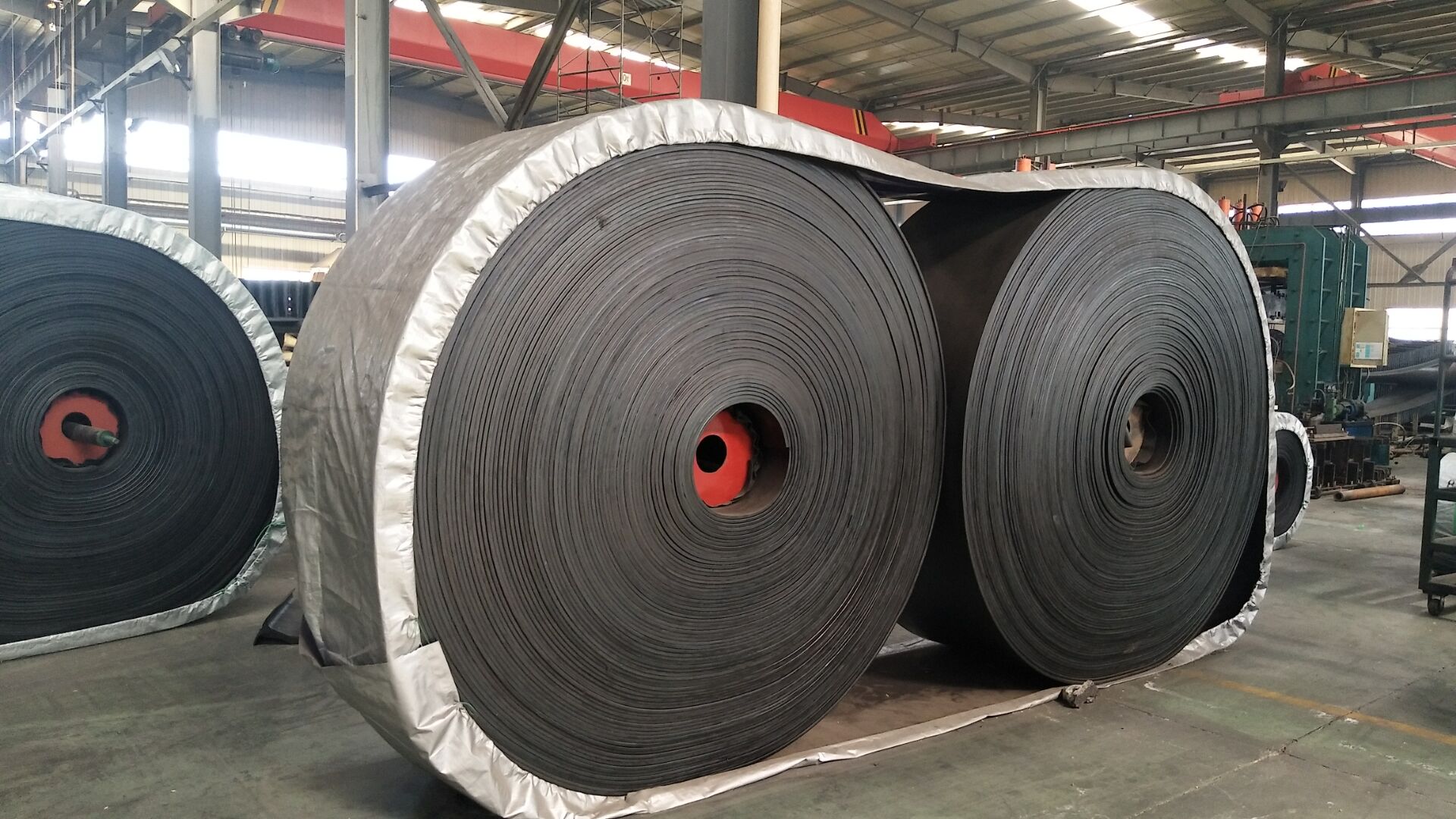
Most coating failures don't start with a dramatic impact. They begin quietly, as the material gives up the last of its flexibility and turns into a shell that can no longer move with the substrate. Cover compounds that stay pliable avoid this by holding on to the components that allow micro-movement, even after repeated temperature swings and UV exposure. The difference often comes down to plasticizer retention and the choice of resin, not just the initial softness of the product.
That retained pliability becomes critical wherever expansion, contraction, or vibration is part of normal service. A roof coating that remains elastic can bridge small cracks instead of tearing open. A sealant around a window keeps its grip rather than pulling away from the frame. When comparing options, it is often more useful to ask how a compound behaves after a year of weather than to judge how it feels on the first day.
How to Read Heat Resistance Ratings Without the Guesswork
Start by ignoring the marketing claim and looking for the test standard next to the number. A single temperature on a datasheet rarely tells you what you need because short-term softening, long-term aging, and flame spread are measured under completely different conditions. If the value comes from a heat deflection test, it tells you at what temperature a sample bends under a specific load. It does not mean the material is fine to run at that temperature for months.
Pay attention to whether the rating describes flammability or thermal endurance. UL 94 V-0 is often printed near temperature claims, but it is a flame classification, not a continuous use temperature. The more useful long-term figure is usually the relative thermal index, which estimates how long a material retains half of a property after aging at a given temperature. When comparing two materials, check that the thickness and test conditions match; a rating for a 3 mm coupon can be very different from one for a 1.5 mm part.
Finally, match the rating to the actual failure mode you care about. If the part sees mechanical load while hot, look at the deflection or softening point under a similar stress. If it just needs to survive in a hot enclosure without becoming brittle, focus on long-term aging data instead. Whenever a datasheet only says heat resistant, ask for the standard number, test temperature, and duration. That one step removes most of the guesswork.
Early Warning Signs of Cracking, Hardening, and Ply Separation
On a tire, the first visible clue is often a network of fine lines spreading across the sidewall or within the tread grooves. These cracks tend to appear near the shoulder first, where flexing is most constant. Run a fingertip over the surface: if the rubber feels brittle, dull, or has a whitish haze instead of a slight tacky sheen, the compound has already begun losing its oils and elastic range.
Hardening usually reveals itself through ride quality before it becomes obvious to the eye. The tread may still look deep enough, but sharper impacts, increased road noise, and a harsher feel over expansion joints suggest the casing is no longer absorbing energy the way it should. On inspection, pressing a thumb into the tread block or sidewall should leave a slight temporary impression; when it barely yields, aging has overtaken wear as the bigger concern.
Ply separation is harder to spot early because it often starts under the tread. Watch for a subtle bulge, a rhythmic thumping at low speed, or steering wander that comes and goes on smooth pavement. If you notice a wavy pattern across the tread face or a small bubble forming near the shoulder, the internal layers are losing adhesion and the tire should be taken out of service before the condition spreads.
Where These Belts Earn Their Keep in Kilns, Foundries, and Sinter Lines
Around a kiln discharge, the belt rarely fails because of a single temperature spike. It fails after months of walking through a slow oven: fine clinker dust settles into the cover, the carcass flexes under partially cooled lump, and the top rubber gradually turns brittle. The belts that last here are not the ones with the boldest heat rating on paper, but the ones that resist edge cracking and keep their adhesion when the load cycles between hot and cold.
Foundries present a different rhythm. Spent sand, knocked-out cores, and small glowing castings arrive in irregular bursts, so the belt has to absorb localized heat, sharp impacts, and oil-soaked debris all in the same shift. A cover that handles dry heat alone will usually fail early here. What keeps a belt working is a balance between cut resistance and flexibility, because a cover hard enough to shrug off metal fragments often cannot survive repeated flexing around small pulleys.
Sinter lines strip away any remaining margin for error. The material is heavy, abrasive, and still carrying heat deep inside the pile, which means the belt must resist gouging, thermal aging, and gradual hardening at the same time. In continuous operations, even a minor drop in belt condition quickly turns into unwanted stoppage. The real measure is not whether the belt can take the heat on day one, but whether it can hold its profile and tracking stability long enough to make the next planned maintenance window worth the wait.
Simple Maintenance Habits That Add Years to Heat-Resistant Belts
Most belt failures do not start with a dramatic snap. They begin with a thin layer of dust baking into the cover, a misaligned edge rubbing against a frame, or a tension setting that was close enough six months ago. Spending ten minutes a week walking the line with an infrared thermometer and a clean rag catches small problems before heat turns them permanent. Check the surface temperature at several points, not just near the drive, and wipe down areas where fine debris gathers around pulleys and skirts. If you feel heat radiating off the belt casing from a few feet away, it is already working harder than the design intended.
Alignment and tracking get overlooked because the damage shows up slowly. Heat-resistant belts can survive high temperatures, but not the constant flexing that comes from a crooked run. Use a straightedge or laser at least once a month to compare the actual path to the intended centerline. Make small adjustments when the belt is cool, not during a hot cycle. Keep tension records instead of relying on memory. As ambient temperature changes with the season, a belt that tracked fine in winter may wander in summer. A modest correction early keeps the edges intact and prevents fatigue cracks in the carcass.
Finally, respect shutdown time. Letting a hot belt coast to a stop under load concentrates heat along contact points. If the process allows, run the line empty for a few minutes so the belt can cool more evenly. Inspect scrapers and skirts during this window; hard, glazed rubber or bent steel does more harm than no cleaner at all. Replacing an inexpensive scraper blade on a regular schedule costs far less than resurfacing a heat-hardened edge. These habits require no special tools or extra staff, only consistency, and they often outlast every upgrade you can buy.
FAQ
EPDM and chlorobutyl are often the starting point because they resist thermal hardening and cracking better than standard SBR or natural rubber. EPDM handles dry heat well and remains flexible, while chlorobutyl adds good resistance to hot, abrasive materials. For extreme conditions, some belts use a blend with heat-stabilized SBR or specialized elastomers to balance temperature resistance, cut resistance, and cost.
Most general heat resistant belts are rated for continuous material temperatures between 150°C and 200°C, with short peaks up to 250°C or higher depending on belt construction. Above that, you are usually looking at specially engineered belts with high-temperature fabrics, steel cord reinforcement, or ceramic-like covers. The real limit depends on how long the belt stays in contact with the hot material and whether the return side gets a chance to cool.
Cement plants, steel mills, foundries, power stations, and asphalt mixing operations are the heavy users. They routinely move clinker, sinter, coke, hot sand, or ash. Chemical plants and fertilizer operations also use them when drying or cooling processes put belts near kilns, ovens, or hot reactors.
Flame retardant means the belt will not keep burning after a flame source is removed; it is primarily about fire safety. Heat resistance means the belt retains flexibility, strength, and cover adhesion while carrying hot loads. A flame retardant belt can still become brittle, crack, or lose its cover at sustained high temperatures, so the two properties are not interchangeable.
Look for cover hardening at the edges, fine cracks near the splice, and any sign that the cover is pulling away from the carcass. Hot materials tend to accelerate belt edge wear, pulley lagging wear, and splice degradation. Tracking is also critical because a wandering belt on a hot line is more likely to rub against stringers or chutes, which can quickly destroy the cover.
In most cases, yes if the material temperature regularly exceeds about 120°C. Standard belts can tolerate short, infrequent contact with warm material, but once covers start hardening and cracking, replacement cycles shorten and downtime becomes more expensive than the initial belt cost. A mid-tier heat resistant belt usually pays for itself by avoiding premature failures and frequent splice repairs.
Check the carcass type and the adhesion layer between the cover and fabric or steel cord. High-temperature applications often need heat-stabilized polyester or aramid fabrics, or steel cord for longer spans and high tension. Also ask about the belt's maximum recommended material temperature and peak temperature, not just the generic heat resistant label. Edge sealing and cover thickness matter when handling abrasive hot materials like clinker or foundry sand.
Conclusion
Standard conveyor belts start to fail long before they tear. Sustained heat draws out plasticizers, the rubber stiffens, and the carcass loses its grip on the cover. Instead of chasing ever-thicker standard covers, plants turn to compounds formulated around EPDM, SBR, or chlorobutyl blends that stay pliable after thousands of hours near hot clinker or castings. Reading a heat resistance label is not as simple as matching a single number: intermittent peaks, continuous exposure, material load temperature, and belt speed all change the real demand. Buyers who rely only on a stated maximum temperature often miss the difference between a belt that survives occasional contact and one that can carry a steady stream of abrasive, high-heat material without hardening.
In kilns, foundries, and sinter lines, the first signs of trouble show up as hairline cracks on the edges, a glossy hardened surface, or ply separation near the splices. Catching those early keeps a small repair from becoming a full replacement. Maintenance does not need to be complicated: keeping the belt centered, cleaning spillage before it bakes onto return rollers, and tracking cover hardness with a simple durometer check all add useful life. The best options are rarely the belts with the highest advertised temperature alone; they are the ones matched to the actual heat cycle, load, and cleaning routine of the line.
Contact Us
Contact Person: Jayce
Email: [email protected]
Tel/WhatsApp: 8615318787602
Website: https://www.yuphengbelt.com/