

Innovative Wire Solutions for Medical Devices: Orthodontic and Stent Applications
2026-02-07
In the ever-evolving world of medical technology, precision and innovation are paramount. Enter the realm of specialized wire solutions, where the success of critical devices like orthodontic braces and cardiovascular stents hinges on the quality of the materials used. At GRM, we’re not just crafting wires; we’re engineering lifelines. Imagine a stent that adapts seamlessly to the body’s natural movements or an orthodontic wire that accelerates treatment without compromising comfort. Our cutting-edge approaches are reshaping patient outcomes and redefining industry standards. Dive into this blog to explore how GRM’s tailored wire technologies are driving advancements in medical devices, offering reliability, performance, and a touch of ingenuity that sets us apart. Ready to see what’s possible? Let’s get started.
Enhancing Precision with Smart Wire Designs in Orthodontic Treatments
Smart wire designs are revolutionizing orthodontic treatments by introducing unprecedented levels of precision and control. Leveraging advances in materials science and digital imaging, modern orthodontics now employs wires that can be customized to each patient's unique dental structure. For example, shape-memory alloys like nickel-titanium allow wires to apply gentle, continuous forces, gradually guiding teeth into optimal positions with minimal discomfort, ensuring more predictable outcomes and faster treatment times.The integration of artificial intelligence and digital scanning further refines precision, enabling orthodontists to create detailed treatment plans that account for complex movements. These smart wires can be pre-programmed with specific pressure points and force levels, adapting to the patient's progress over time. This dynamic approach reduces the need for frequent adjustments, making the process smoother and more efficient, while also minimizing errors that could prolong treatment.
In practice, smart wire designs enhance precision by allowing for more subtle corrections that traditional methods might overlook, such as fine-tuning tooth rotations or addressing asymmetrical alignments. This leads to better aesthetic and functional results, improving overall oral health and patient satisfaction. As technology continues to evolve, these innovations promise to make orthodontic care more accessible and tailored, setting new standards in dental treatment.
Cutting-Edge Materials for Long-Lasting Stent Durability and Flexibility
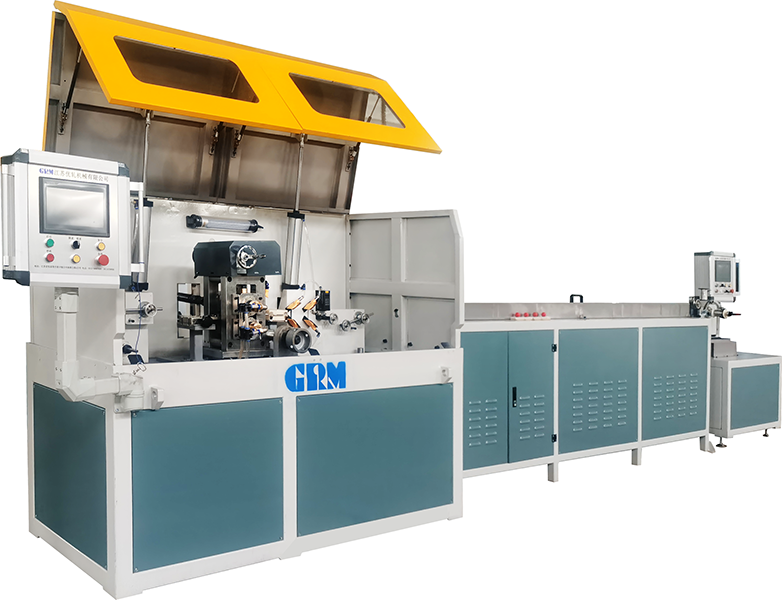
When it comes to ensuring that stents withstand the rigors of long-term implantation, recent material innovations have shifted the focus from mere strength to a more nuanced balance of durability and flexibility. Researchers are now exploring alloys that combine high fatigue resistance with remarkable elasticity, allowing stents to accommodate arterial movements without succumbing to fatigue fractures. For instance, advanced cobalt-chromium and platinum-iridium composites are being engineered to mimic the natural flexibility of blood vessels, reducing the risk of in-stent restenosis over time. These materials not only resist corrosion in the harsh physiological environment but also maintain their structural integrity through millions of cardiac cycles, making them ideal for patients requiring lifelong support.
Beyond traditional metals, the integration of biodegradable polymers and shape-memory alloys represents a leap forward in stent technology. These cutting-edge materials can be programmed to gradually dissolve after fulfilling their purpose, eliminating the need for permanent implants and reducing long-term complications. Meanwhile, shape-memory alloys, such as nitinol, offer unparalleled adaptability by expanding to a preset shape upon deployment and then flexing with the artery's natural pulsations. This dynamic response minimizes stress concentrations that can lead to fatigue, ensuring that the stent remains both durable and pliable throughout its lifespan. By leveraging such smart materials, clinicians can now offer patients stents that not only last longer but also feel more natural within the body.
Perhaps the most exciting frontier lies in the development of hybrid materials that combine the best properties of multiple substances. For example, coatings of drug-eluting polymers on robust metallic frameworks allow for targeted medication delivery while maintaining mechanical resilience. Additionally, nanocomposite materials, infused with tiny particles like carbon nanotubes or bioactive ceramics, enhance strength-to-weight ratios and promote endothelial cell growth, fostering faster healing and improved flexibility. As these innovations evolve, they are setting new benchmarks for stent performance, moving beyond one-size-fits-all solutions to customized implants that adapt to individual patient needs. Ultimately, this focus on advanced materials is transforming stent design from a static support system into a dynamic, long-lasting partner in cardiovascular health.
Customizable Wire Solutions Tailored to Individual Patient Needs
In the realm of orthodontics, one size rarely fits all—and that's where customizable wire solutions come into play. These aren't just standard pieces of metal; they're finely tuned instruments crafted to address each patient's unique dental landscape. By leveraging advanced manufacturing techniques, orthodontists can adjust the wire's flexibility, shape, and force application to ensure a smoother, more efficient treatment path. This tailored approach means less discomfort for patients and often shorter overall treatment times, making it a game-changer in personalized care.
Imagine a wire that feels like it was made just for you—because it was. Through detailed digital scans and 3D modeling, these solutions account for everything from subtle tooth rotations to complex bite issues. This precision allows for adjustments that traditional wires might miss, reducing the need for frequent office visits and unexpected corrections. Patients appreciate how this customization leads to a more predictable outcome, fostering confidence in their journey to a perfect smile.
What truly sets these customizable wires apart is their adaptability over time. As treatment progresses, the wire can be modified to respond to changes in tooth movement, ensuring consistent progress without abrupt shifts. This dynamic capability not only enhances comfort but also aligns with modern lifestyles, where efficiency and personalization are key. In a field often dominated by generic options, these tailored solutions represent a thoughtful evolution, putting individual needs at the forefront of every smile transformation.
Streamlining Medical Procedures through Advanced Wire Integration
The integration of sophisticated wire-based systems is revolutionizing how medical procedures are performed, enabling surgeons to achieve greater precision and efficiency in complex interventions. For instance, in cardiovascular surgeries, advanced guidewires equipped with real-time imaging capabilities allow for minimally invasive navigation through intricate vascular networks, reducing patient trauma and recovery times. This seamless blending of traditional wire techniques with cutting-edge technology fosters a more reliable and less invasive approach to treatment, ultimately enhancing patient outcomes and operational workflows in clinical settings.
By leveraging these integrated wire solutions, healthcare providers can tackle previously challenging procedures with increased confidence and accuracy. In orthopedics, for example, smart wires that incorporate sensors and feedback mechanisms guide the placement of implants with minimal error, ensuring optimal alignment and stability. This not only streamlines the surgical process but also contributes to long-term patient well-being by minimizing complications and promoting faster healing, demonstrating how wire innovation is pushing the boundaries of modern medicine.
Looking ahead, the ongoing development of wire integration promises to further refine medical practices, with emerging applications in areas like neurology and oncology. As these systems become more accessible and adaptable, they are poised to set new standards for procedural excellence, making complex surgeries safer and more efficient across various specialties. This evolution highlights a transformative shift in healthcare, where advanced wire integration acts as a key driver in streamlining procedures and advancing overall care quality on a global scale.
Innovations in Wire Technology to Minimize Invasive Surgical Interventions
Recent advances in wire technology are reshaping the landscape of minimally invasive surgery, enabling surgeons to perform complex procedures with unprecedented precision and minimal tissue disruption. For instance, the development of ultra-thin, flexible wires embedded with micro-sensors allows for real-time monitoring of internal conditions, reducing the need for large incisions. This evolution not only shortens recovery times for patients but also enhances surgical accuracy, making it a game-changer in fields like cardiology and orthopedics where traditional methods often involve more extensive interventions.
Beyond mere size reduction, innovative wire materials such as shape-memory alloys and biodegradable polymers are introducing new functionalities. These wires can adapt to the body's contours or dissolve after serving their purpose, eliminating the necessity for follow-up removal surgeries. By integrating smart coatings that deliver targeted therapies, these technologies further minimize invasive steps, paving the way for less traumatic and more patient-friendly surgical experiences that stand out from conventional approaches.
In practice, these innovations are already being applied in procedures like endoscopic surgeries and robotic-assisted operations, where fine-tuned wire systems guide instruments and provide stability without bulky hardware. This shift towards sophisticated wire design encourages broader adoption of minimally invasive techniques across medical specialties, highlighting a trend toward less invasive, more efficient health care solutions that prioritize patient comfort and clinical outcomes.
Real-World Applications of Next-Gen Wires in Orthodontics and Stents
In orthodontics, next-generation wires are revolutionizing teeth-straightening treatments by offering enhanced flexibility and memory. These advanced alloys, such as nickel-titanium variants, adapt more smoothly to the mouth's environment, reducing patient discomfort and shortening adjustment periods. For example, newer wires with temperature-responsive properties can be activated by body heat, allowing for gradual, controlled tooth movement that improves alignment outcomes while minimizing the need for frequent visits.
Similarly, in the realm of stents, next-gen wires play a critical role in improving cardiovascular and biliary interventions. Modern stents often incorporate sophisticated wire designs that enhance radial strength and flexibility, ensuring they can navigate complex anatomical pathways without compromising structural integrity. Innovations like drug-eluting wires help prevent restenosis by releasing medications directly to the affected area, offering patients better long-term results and reducing the risk of complications.
Beyond these applications, the synergy between orthodontics and stent technologies highlights the versatility of next-gen wires. Materials optimized for biocompatibility and corrosion resistance are being cross-adapted, leading to smarter, more durable devices. This interdisciplinary approach not only accelerates recovery times but also fosters a new standard in medical device innovation, demonstrating how such wires are key to advancing patient care across diverse fields.
FAQ
These solutions incorporate advanced materials like shape-memory alloys and biocompatible coatings, enhancing durability and patient comfort, while allowing for precise customization in treatments.
In orthodontics, they are used in braces and archwires to apply gentle, controlled forces for teeth alignment, often with self-adjusting properties that reduce the need for frequent adjustments.
For stents, the wires provide flexible yet strong frameworks that can expand within blood vessels, improving placement accuracy and reducing complications like restenosis through drug-eluting capabilities.
Key challenges include balancing flexibility with strength, ensuring long-term biocompatibility, and meeting strict regulatory standards for safety and efficacy in diverse medical environments.
They lead to shorter recovery times, fewer side effects, and more effective treatments by enabling minimally invasive techniques and personalized medical devices tailored to individual needs.
Trends include the integration with smart sensors for real-time monitoring, biodegradable options for temporary implants, and enhanced manufacturing techniques like 3D printing for complex designs.
Conclusion
Innovative wire solutions in medical technology are fundamentally transforming both orthodontic treatments and stent applications by integrating smart designs and advanced materials. In orthodontics, smart wire designs enable unprecedented precision, allowing for more effective tooth movement while reducing patient discomfort through customizable solutions tailored to individual anatomical needs. These innovations not only enhance treatment outcomes but also streamline medical procedures by minimizing the need for frequent adjustments and invasive interventions. The real-world applications of these next-generation wires demonstrate a significant shift towards personalized healthcare, where wire technology adapts to each patient's unique requirements, fostering better compliance and faster recovery times.
Similarly, in stent applications, cutting-edge materials such as biocompatible alloys and flexible composites are revolutionizing durability and flexibility, ensuring long-term performance in cardiovascular and other medical implants. This evolution in wire technology directly contributes to minimizing invasive surgical procedures by enabling less intrusive placement methods and improving long-term integration with bodily tissues. The synergy between orthodontic and stent innovations highlights a broader trend in medical devices: wires are no longer passive components but active elements that enhance precision, durability, and patient-specific care, paving the way for more efficient and humane medical interventions across diverse specialties.
Contact Us
Contact Person: Rayna
Email: [email protected]
Tel/WhatsApp: 86 -173 1474 6343
Website: https://www.grmrollingmill.com/