

LED Headlight Bulb Sourcing Made Simple: Your Guide to Finding Top-Quality Suppliers
2026-08-05
Sourcing LED headlight bulbs shouldn’t feel like navigating a maze blindfolded. With countless suppliers promising the brightest beams and longest lifespans, how do you separate genuine quality from clever marketing? The secret lies in knowing exactly what to look for—and where. At LUXFIGHTER, we’ve spent years refining what makes a top-tier bulb, from advanced cooling systems to precise beam patterns. This guide strips away the confusion, giving you a clear path to finding suppliers that truly deliver on performance, durability, and value.
Cutting Through Spec Sheet Hype: What Actually Matters for LED Headlights
When shopping for LED headlights, you’re bombarded with numbers—lumens, wattage, color temperature. But many of those figures are marketing fluff. What really counts is how well the beam pattern mimics your original halogen bulb’s focus. A high-lumen bulb that scatters light everywhere won’t help you see the road; it’ll just blind oncoming traffic. The key is finding bulbs with precisely placed LED chips that align with your headlight housing’s optics. Without that, all the raw brightness in the world is wasted.
Another often-overlooked factor is thermal management. LED bulbs run cooler than halogens, but they still generate heat at the base, and if that heat isn’t dissipated effectively, output drops fast. Look for bulbs with real copper or aluminum heat sinks and integrated fans—not just plastic housings that look fancy. A bulb that dims significantly after ten minutes is useless, no matter how impressive its initial numbers seem.
Finally, ignore claims about “plug-and-play” simplicity unless you’ve verified compatibility. Many modern vehicles have CAN bus systems that misinterpret LED current draw as a dead bulb, causing flickering or error codes. You may need resistors or decoders. Instead of trusting the box, check owner forums or buy from brands that offer vehicle-specific fitment guarantees. The best upgrade is one that works seamlessly, without dash lights or constant adjustments.
The Hands-On Inspection Guide: Telling Quality Bulbs from Junk
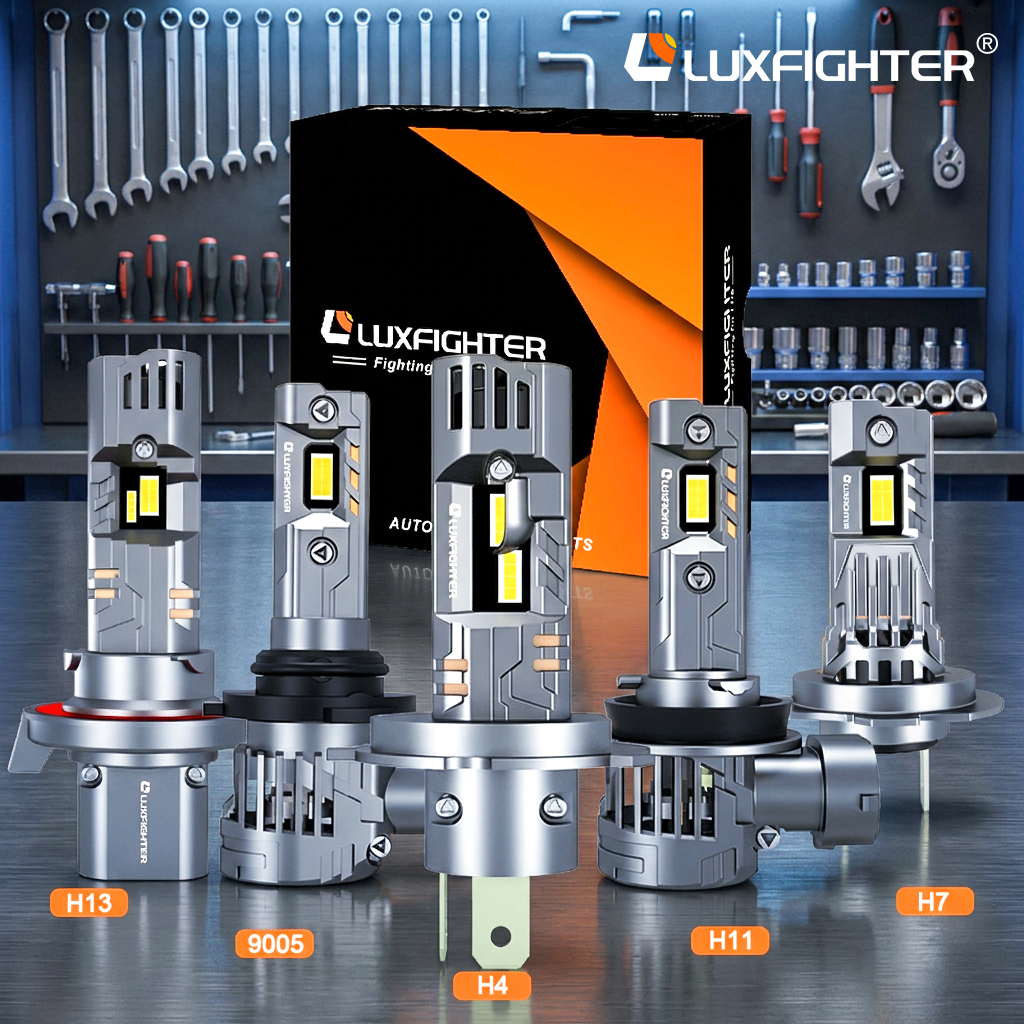
Start by giving the bulb a gentle but firm shake—not enough to break anything, just enough to listen. A faint rattle often means loose components inside, a telltale sign of sloppy assembly or cheap materials. Quality bulbs feel solid, almost surprisingly heavy for their size, because manufacturers use thicker glass and robust filaments. If it feels like a hollow plastic toy, put it back.
Next, hold the bulb up to a light and examine the filament. You're looking for a clean, evenly coiled wire, not something that looks frayed or haphazardly bent. The supports holding the filament should be straight and sturdily anchored—wobbly supports lead to early burnout. On LED bulbs, check the diffuser for cloudiness or dark spots; inconsistencies there mean poor light distribution and a shorter lifespan.
Finally, screw it into a socket and pay attention to how it powers on. A good bulb lights up instantly, without flickering or any awkward warm-up flash. Let it run for a few minutes, then look directly at the light—harsh glare or uneven brightness across the surface usually points to inferior phosphor coating or cheap drivers. Trust your senses: if something feels off, it probably is.
Supplier Scouting: How to Find Factories That Deliver Consistency
Finding factories that consistently meet your quality and delivery standards starts with digging beyond glossy presentations. Many sourcing teams rely too heavily on online directories or trade show introductions, but these channels often surface the same crowded pool of vendors. Instead, tap into industry networks where long-term reliability is talked about openly—forums, niche trade associations, and even LinkedIn groups can reveal which suppliers actually walk the talk.
Once you have a shortlist, don't stop at a quick factory audit. Consistent performance leaves a trail: ask for production records spanning multiple orders, not just a single batch. Look at how they've handled past disruptions—a factory that proactively communicated delays and offered solutions is more likely to deliver on time in the future. Pay attention to their equipment maintenance schedules and raw material sourcing policies; these details separate factories that can sustain quality from those that just lucked into a good run.
Finally, build a trial period that tests for consistency under real-world pressure. Start with a pilot order that mimics your typical volume and complexity, but include unexpected changes—a shift in packaging requirements or a sudden deadline compression. Watch how their team responds. Factories worth partnering with will treat these as normal challenges rather than complaints, and their processes will absorb the variation without missing a beat. The goal is to find a partner whose systems are resilient enough to keep you off the crisis-management treadmill.
Certification Claims: Which Ones Stand Up to Scrutiny
Not all certifications are created equal. Some are backed by rigorous, independent testing and ongoing audits, while others rely heavily on self-reported data or loosely defined criteria. A closer look often reveals that a flashy label alone doesn’t guarantee meaningful standards—it’s the transparency and depth of the certifying body’s process that matter most.
When a product boasts a certification claim, it’s worth asking who did the verifying and what exactly was tested. Reliable schemes usually publish detailed protocols and allow third-party oversight, making their benchmarks easy to compare. In contrast, vague assurances like “lab tested” or “eco-friendly” can mask a lack of specificity, leaving consumers to take unverified assertions at face value.
The real test often comes when you dig into the fine print. Certifications that hold up tend to have clear, measurable thresholds—think exact percentages of recycled content or specific emission limits—rather than trendy buzzwords that sound good but mean little. Over time, the ones that endure are those that evolve with scientific consensus and invite public input, creating a standard that’s tough to fake.
Smart Sampling: Tests That Predict Real-World Performance
Smart sampling doesn't mean testing less—it means testing smarter. Traditional approaches often rely on massive, random data sets that can miss edge cases or overrepresent noise. By carefully selecting a smaller subset of data that mirrors real-world diversity, teams can uncover critical performance insights faster and more reliably. This method ensures that every test case pulls its weight, mimicking genuine user behavior without drowning in irrelevant scenarios.
The key lies in how samples are chosen. Instead of size, the focus shifts to representativeness: capturing variations in user journeys, network conditions, and device types. Techniques like stratified sampling or production traffic replay help pinpoint the interactions that truly matter. When done right, these targeted tests expose bottlenecks that large-volume testing often overlooks, making performance predictions far more accurate.
Negotiating Wisely: Balancing Cost and Quality in LED Sourcing
When you're deep in talks with an LED supplier, it's tempting to chase the lowest price, but seasoned buyers know that cost alone can be a trap. A luminaire might meet specs on paper, yet cheap driver components or inconsistent phosphor coating can lead to early failures and color shift that tarnish your brand. Instead of fixating on unit price, shift the conversation toward value—ask about binning tolerances, warranty terms, and after-sales support. A supplier willing to share detailed LM-80 reports and third-party test data is signaling transparency, and that’s a foundation for trust that often saves you more in the long run than shaving a few cents off per piece.
The real art of negotiation comes in structuring agreements that reward quality without destroying your budget. Consider milestone-based pricing or rebates tied to performance metrics like lumen maintenance or defect rates. For instance, you might agree on a base price per fixture with a quarterly review that adjusts downward if failure rates stay below an agreed threshold. This creates a shared interest in reliability. Also, explore flexibility in payment terms or collaborative design improvements that can trim costs without compromising critical components. When both sides feel like partners rather than adversaries, the relationship often yields innovations that benefit everyone.
Don’t underestimate the power of walking away from a deal that cuts corners on essentials. A slightly higher upfront investment in LEDs with robust heatsinking and reputable chip brands can slash maintenance calls and protect your reputation. Use your sourcing negotiations to prequalify suppliers not just on price, but on their engineering depth, their understanding of your application, and their agility in adapting to changes. The best agreements read less like a transaction and more like a roadmap for enduring quality, where cost optimization is a natural byproduct of a well-managed partnership.
FAQ
Start by verifying their certifications, such as ISO 9001 or E-mark, which show commitment to quality and international standards. Also, review their product warranty and return policies—reliable suppliers back their bulbs with meaningful coverage.
Look beyond just lumens. Request independent test reports for actual light output, beam pattern, and color temperature consistency. Real-world testing data is far more trustworthy than marketing numbers alone.
Suppliers who invest in automated SMT assembly, airtight sealing processes, and active cooling designs—like copper substrates or silent fans—tend to produce bulbs that last. Ask about their quality control steps, such as burn-in testing and vibration resistance checks.
Customization can be critical if you cater to specific vehicle models or want unique packaging. A flexible supplier will let you tweak LED chip arrangement, heat sink design, and even connector types without requiring massive orders.
Be wary of suppliers who can't provide detailed technical specs, avoid showing production facilities, or have no documented quality control process. Also, extremely low pricing often indicates compromised components, leading to quick failures.
Request proof of EMC (electromagnetic compatibility) testing and CANbus compatibility reports. A trustworthy supplier will have lab results showing their drivers and chipsets are designed to avoid flickering, error codes, or noise in modern vehicles.
A specialized LED supplier often provides deeper technical support, faster innovation, and better customization. Broad catalogs can mean diluted expertise and less attention to the particular challenges of LED headlight design.
Check if they provide reliable packaging that protects against moisture and rough handling, and whether they offer door-to-door shipping with tracking. Also, confirm they can handle documentation for compliance with local import regulations, avoiding delays.
Conclusion
Sorting through LED headlight bulb options starts with ignoring flashy lumens claims and focusing on real performance indicators. Heat management, beam pattern consistency, and the quality of the LED chip itself matter far more than inflated numbers on a spec sheet. A hands-on inspection often reveals what data sheets hide: cheap solder joints, poorly machined heat sinks that weigh nothing, or reflectors that scatter light instead of shaping it. Genuine quality shows in the details—uniform phosphor coating on the chip, precise housing alignment, and sturdy wiring that doesn't feel like it'll snap on the first install. These physical cues, combined with a healthy skepticism toward vague brightness guarantees, form the first line of defense against junk bulbs.
Finding a supplier that can replicate this quality at scale means looking past glossy trade show booths and asking tough questions about production consistency. Audit their QC logs, not just their sample products. When a factory can explain how they control batch variations in LED binning or thermal paste application, you're onto something. Certifications require similar probing: E-mark or DOT stamps mean nothing if they're just stickers; demand the test reports and cross-check them with the certifying body's database. Smart sampling then turns promises into proof—run bulbs through rapid temperature swings, vibration rigs, and extended burn-in cycles that mimic potholes and summer traffic. Use these results to negotiate with leverage. Push for split pricing on different performance tiers, warranty terms that reflect test outcomes, or in-house QC audits. The goal isn't to squeeze every last cent, but to steer discussions toward a balanced partnership where cost savings never come from trimming cooling fins or skipping pre-shipment inspections. That's the real formula for sourcing without surprises.
Contact Us
Contact Person: Gavin Chen
Email: [email protected]
Tel/WhatsApp: (+86)756-6831079
Website: https://www.luxfighter.com/