

M5 Connector Factory Selection Criteria for Reliable Industrial Connections
2026-11-25
Industrial connectivity rarely fails at the connector itself—it fails at the decision made before installation. Choosing an M5 connector factory means weighing more than pin counts and IP ratings: you are really vetting process control, material traceability, and the consistency of tiny tolerances under real operating stress. This guide breaks down the factory-level selection criteria that separate reliable M5 connectors from costly field failures. Along the way, we also look at how REUNION approaches these demands, so you can source with confidence instead of crossing your fingers.
Signals That Separate a Real M5 Specialist from a Generalist
A real M5 specialist tends to work backward from the specific generation rather than treating the badge as one long production run. An E39 M5 has little in common with an F90 when it comes to cooling behavior, throttle response, or failure points, and the technician who asks about build date, transmission type, and warm-up habits before quoting a repair is already showing a narrower, more useful focus.
That focus also comes through in how they describe faults. Instead of stopping at “misfire” or “transmission issue,” they talk about cold-start VANOS rattle on the S62, rod bearing clearance on the S85, high-pressure fuel corrections on the S63TU, or clutch pack behavior in the later automatic gearboxes. Their descriptions sound less like a generic diagnostic chart and more like someone who has seen the same problem recur across a specific model range.
The clearest signal often happens during a test drive or inspection. A specialist notices that oil temperature climbs slower than expected, that a downshift feels delayed only in comfort mode, or that the rear axle reacts oddly over a particular road surface. These are not dramatic findings, but they are the kind of observations that only come from time spent in enough M5s to know what a healthy one should feel like.
Materials and Plating Decisions That Survive Industrial Settings
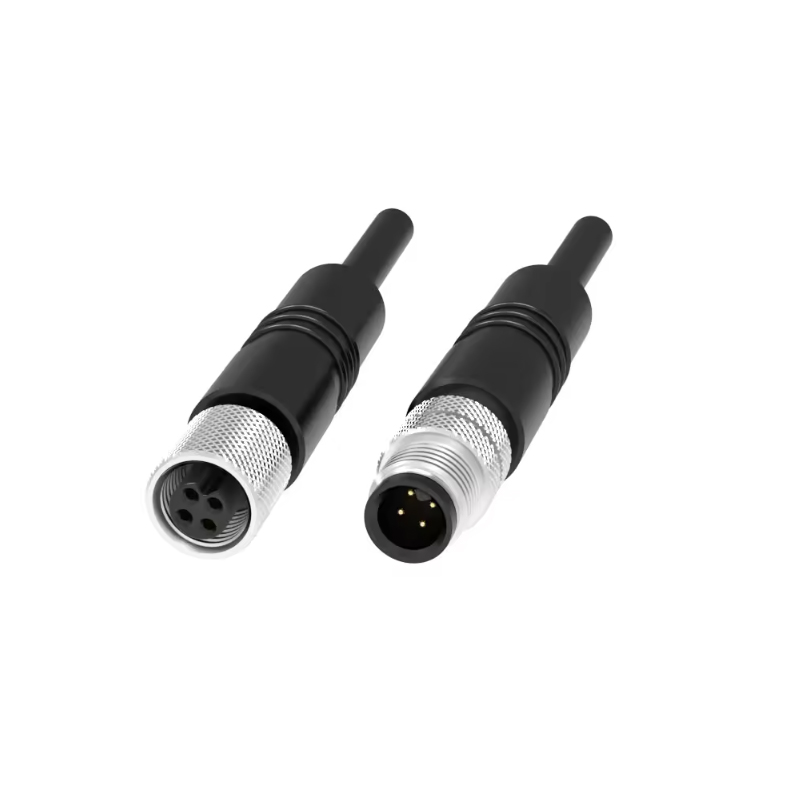
Stainless steel keeps showing up in industrial equipment for a reason, but grade selection changes everything. 316 holds up better than 304 around chlorides and washdown chemicals, while 17-4 PH offers a workable mix of strength and corrosion resistance when parts need to carry load. On moving components, the base metal is rarely enough; a zinc-nickel plating tends to outperform standard zinc because it holds its edge longer under salt spray and does not flake off as readily when bolts are torqued and retorqued.
Hard chrome still earns its place in hydraulic rods and wear sleeves, yet it brings hydrogen embrittlement risks if the process is rushed. Baking after plating is not a formality. For parts exposed to both abrasion and moisture, electroless nickel with a high phosphorus content gives a more uniform deposit than electrolytic nickel and handles acidic environments better than many assume. Where sliding friction matters more than hardness alone, a PTFE-infused coating can reduce stick-slip without adding a separate lubricant line.
Anodized aluminum works until thermal cycling and sharp impacts expose the thin oxide layer, so specifying a thicker Type III coating and sealing it properly matters more than the color. In food plants, plating choices need to survive not only the product but also aggressive cleaning agents, which means avoiding materials that pit under chlorine or caustic. The decisions that last are usually the unglamorous ones: checking compatibility with real process fluids, matching the plating to the failure mode rather than the spec sheet, and accepting that a slightly higher upfront cost often avoids a mid-shift teardown.
In-Process Checks Worth Asking About Before You Commit
Before you say yes, it pays to understand how the team handles mid-flight corrections. Ask what happens when a requirement shifts halfway through a sprint — who decides what gets cut, and how that decision reaches everyone else without a flurry of confused messages. The answer reveals whether you are stepping into a well-oiled ritual or a fire drill wearing a calendar invite.
Another check worth making is around review and testing rhythms. Does the group treat code review as a formality, or do they actually sit with the diff and argue about edge cases? More importantly, find out if failing tests trigger a genuine stop-and-fix response or just a shrug and a merge anyway. Those small signals tell you more about engineering culture than any onboarding slide deck.
Finally, ask about the deployment path from branch to production. Look for signs of deliberate staging, canary releases, or at least a rollback plan that is not just someone crossing their fingers. A team that can describe their in-process safeguards without pausing to invent them is a team that has survived a few ugly Tuesdays — and learned something from them.
How a Factory Handles Small-Batch Custom Orders
Small-batch custom orders rarely fit the neat, repeatable flow of mass production, so the first real challenge is getting everyone on the same page before a single machine starts. Instead of tossing a spec sheet over the wall, the factory pulls the customer, the production lead, and a couple of floor veterans into a short kickoff. They walk through the oddball tolerances, material quirks, and where the design is likely to snag. This early, slightly messy conversation does more to cut waste than any later inspection, because it turns vague wishes into decisions the shop can actually execute.
On the floor, the approach shifts from speed to rhythm. Rather than reserving a dedicated line, the scheduler slots small batches into gaps between larger runs or groups a few custom jobs that share similar setups. Machines get staged with the right jigs and tooling the evening before, so the morning crew isn't hunting for fixtures. Operators keep handwritten notes taped near the workstation about the last batch's trouble spots, and those notes are treated as living knowledge, not clutter. When a batch is small, there's little room to learn by repeating mistakes, so every adjustment gets logged in plain language for the next run.
Quality control for small lots leans less on sampling tables and more on a short, focused checkpoint right after the first piece comes off. A seasoned hand checks it against the original conversation, not just the drawing, because custom work often has an unspoken intent behind the dimensions. Any mismatch triggers a quick fix before the rest of the batch proceeds. Packing and delivery then get the same attention as production, with each order double-checked against its unique requirements, since a small batch can't hide behind bulk replacements if something arrives wrong.
Traceability Habits That Prevent Field Failures
Teams that rarely see field escapes tend to trace changes while the work is still open, not during a release audit. A code change gets linked to the requirement, risk, or test case behind it before it can be merged. That sounds small, but it makes an unlinked change feel unfinished, which is exactly where early warning comes from.
The habit also means keeping the links honest when plans shift. If a threshold changes or a feature gets cut, the affected tests and release notes are updated in the same sitting. Later, when something fails in the field, the team can follow the chain from symptom to code to decision without trying to reconstruct what happened from memory.
What matters is that the trace lives in the team's routine. Some teams include it in the pull request checklist, some block handoffs that leave key links empty, and some review the trace alongside the diff. The common thread is that traceability becomes a working habit, not a document that gets filled in after the fact.
Lead-Time Realism and What It Reveals About Capacity
Companies often treat quoted lead times as soft promises, but they are actually one of the clearest mirrors of true capacity. When a supplier quietly extends delivery windows from four weeks to seven, the change usually is not about scheduling preferences; it reflects queue buildup, machine downtime, labor shortages, or batch size creep that no one has formally acknowledged. Realistic lead times, in other words, are the organization's unspoken capacity statement.
The gap between published lead time and actual throughput deserves more attention than utilization reports. A plant can show respectable OEE numbers while still padding lead times because planners do not trust the floor to recover from variability. That padding is not waste; it is data. It points to where buffers are thickening, which work centers are treated as unreliable, and how much hidden slack is being used to protect delivery dates. Ignoring that information makes capacity planning an exercise in optimism.
Taking lead-time realism seriously means asking why a given duration exists instead of just negotiating it down. If a three-week lead time includes five days of queue before a specific operation, the constraint is not the operation itself but the scheduling rules around it. Capacity is rarely missing in aggregate; it is usually trapped in uneven release patterns, poor synchronization, and a lack of confidence in upstream signals. Honest lead times expose those conditions before they become customer-facing failures.
FAQ
Ask for the specific base metal under the gold or tin plating, not just the finish name. In damp or mildly corrosive plant air, a flash gold layer over brass behaves very differently from gold over nickel or a heavier gold deposit over phosphor bronze. Also confirm whether the factory can supply plating thickness measurements from batch samples. A reliable supplier will usually have X-ray fluorescence readings or a lab report without being pushed.
Bring a sample connector or a drawing with the vibration profile your equipment experiences. Ask how the contact retention system prevents fretting and micro-interruptions. Listen for answers that mention spring design, mating thread engagement, strain relief, and whether they lock with a screw or rely purely on friction. Factories with real vibration experience usually ask about the cable's movement, mounting stiffness, and whether the connector carries sensor signals or power because those details change the failure mode.
M5 is small enough that tiny pitch or thread variations can create leak paths or misalignment in panel cutouts. A few hundredths of a millimeter difference in the O-ring groove or contact insulator can change the IP rating from sealed to splash-resistant. When you source from a factory that checks mating dimensions with go/no-go gauges and keeps records per cavity, you reduce the chance of field replacements that cost far more than the connectors.
Look beyond a generic datasheet. Request sample-level reports for contact resistance after thermal cycling, insulation resistance under humidity, and if relevant, salt spray or mixed flowing gas results for the plating. A credible factory will share test parameters such as duration, temperature, and pass criteria, not only a certificate number. If they hesitate on any of those, treat it as a sign that their design may not have been validated under load.
When the connector sits on a machine skid, near a motor, or anywhere condensation and washdown can reach it, paying for a properly sealed version avoids intermittent faults that only appear after startup. Extended temperature ratings matter less for the plastic alone and more for the seal material and contact lubricant staying stable. If the failure would require stopping a line or sending a technician to a remote site, the extra unit cost is usually small compared with that downtime.
Watch how the factory handles small pins and inserts. Look for controlled crimp or solder settings, fixture use rather than freehand alignment, and whether they test mating force on a sample basis. Ask to see incoming inspection records for raw pins and molded bodies. A stable supplier tends to have defined limits for plating thickness, insert retention, and thread fit, and they can show you the last three batch records instead of assembling a one-time sample set.
Ask whether the bend radius at the cable exit is controlled by a molded strain relief or left to the cable alone. Confirm what happens at the overmold boundary if the cable is flexed repeatedly: the factory should be able to explain how they prevent delamination or wicking along the jacket. For custom lengths, ask about pull-test values and whether they bond the jacket to the overmold material chemically or mechanically. The answer tells you whether the assembly will survive movement or just look neat on the bench.
Clarify whether the tooling cost is a one-time charge with you retaining drawings and cavity rights, or whether the factory keeps the mold and can reuse it for another customer. Also ask what happens if the design changes after first samples. A factory that is transparent about tooling ownership, modification charges, and transfer conditions is less likely to create a long-term dependency that weakens your negotiating position.
Conclusion
A factory worth shortlisting for M5 connectors rarely announces its specialization; it shows through the questions engineers ask about contact retention, shielding continuity, and mating cycles under side load. The gap between a true specialist and a generalist becomes obvious when you press for details on brass versus phosphor bronze contacts, gold flash thickness over nickel, or how stainless housings are passivated after machining. Those choices decide whether a connection stays stable near washdown chemicals, vibration, or thermal swings. Before committing, it is also fair to ask how the factory verifies thread fit, crimp height, pin alignment, and continuity on every batch rather than relying on a final visual check. Factories that run in-process checks at multiple stations tend to catch the failures that only appear after installation.
Small-batch custom orders reveal a supplier's flexibility, but the more useful signal is how they document deviations, maintain revision control, and keep a sample retained for reference. Traceability habits matter just as much once connectors reach the field; a lot number should link back to raw material, plating lot, assembly operator, and test data without needing a lengthy investigation. Lead times, when quoted with actual tooling and plating constraints instead of a generic promise, usually indicate realistic capacity and honest scheduling. A factory that explains why a short run takes three weeks is often more dependable than one that says yes to every deadline and then rushes final inspection.
Contact Us
Contact Person: Hayley Liang
Email: [email protected]
Tel/WhatsApp: +86 13480625451
Website: https://www.reunion-china.com/