
Polyethylene Glycol Distributor Guide to Quality, Purity, and Reliable Supply
2026-11-18
Sourcing polyethylene glycol often comes down to more than a certificate of analysis—what really matters is whether your supplier understands how purity, consistency, and logistics affect downstream performance. This guide unpacks the practical side of qualifying PEG, from hidden impurities to supply chain reliability. Along the way, POLYKEM stands out as a partner focused on dependable quality rather than just meeting minimum specs.
The Difference Between USP Grade and Food Grade PEG No One Spells Out
Most suppliers place USP grade and food grade polyethylene glycol next to each other on a quote, and buyers usually assume USP simply means purer. That assumption hides what is actually different. Food grade PEG is tested against food additive monographs, so the focus stays on ingestion safety, residual ethylene oxide, and 1,4-dioxane limits. USP grade PEG is tested against a pharmaceutical monograph, where the emphasis shifts to tighter identity, acidity, and batch-to-batch consistency. The result is not automatically a cleaner molecule; it is a different set of questions asked about the same molecule.
The part that rarely gets spelled out is that a single batch can meet both standards and be sold under either label, provided the documentation and release testing match. That makes the difference more regulatory than chemical. USP grade carries a pharmaceutical-grade chain of custody, stricter change control, and a higher burden of traceability. Food grade does not carry that same commitment, even when the physical material looks identical on paper. For anyone switching between the two, the real risk is usually compliance, not chemistry.
A Practical Way to Check Polyethylene Glycol Purity Before It Ships
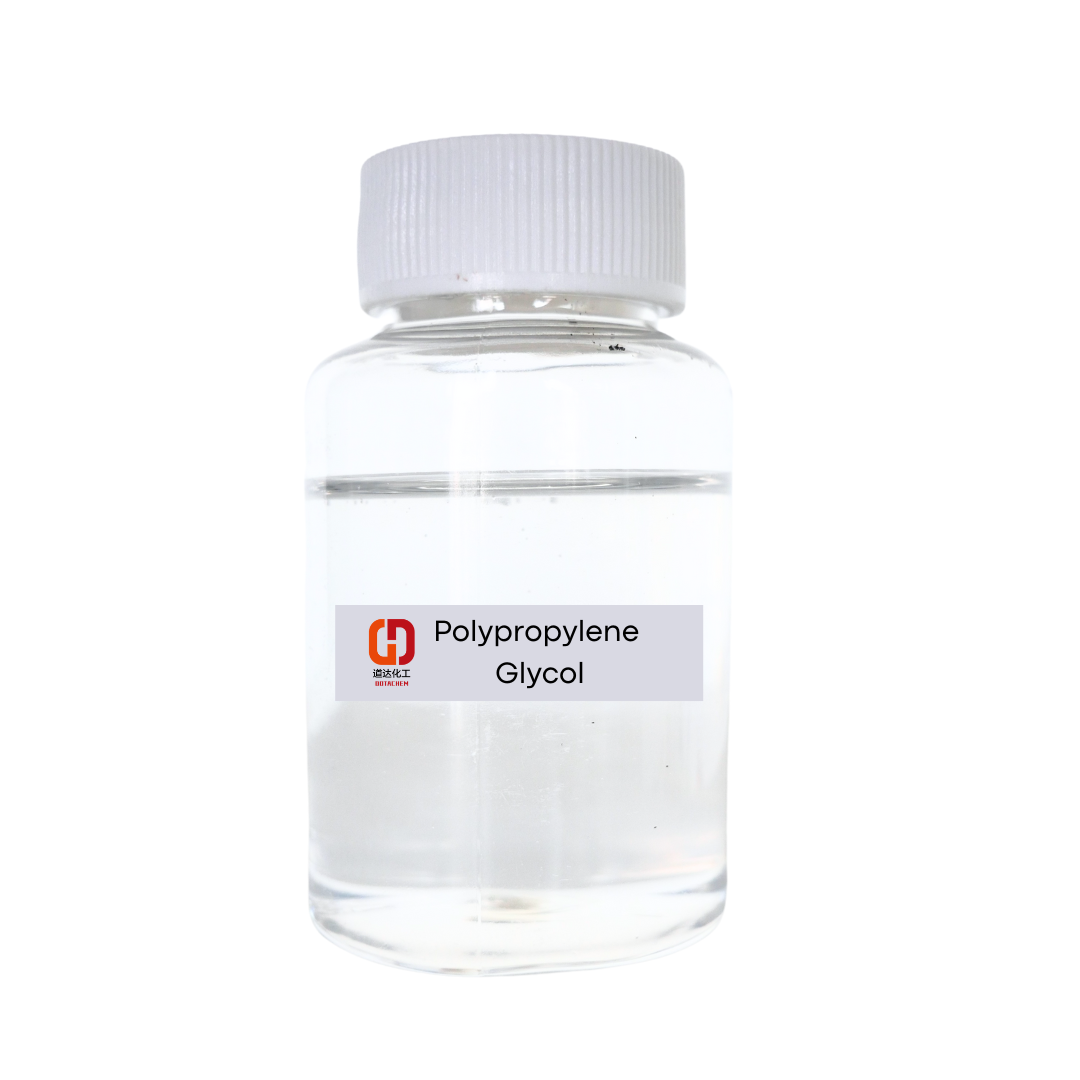
Most incoming and outgoing PEG shipments still rely on paperwork until something drifts out of specification. A more useful habit is to pull a small, well-mixed sample from the drum or tote and run a quick refractive index check against the lot's reference value. Because refractive index shifts with molecular weight and moisture, a deviation of more than a few units in the fourth decimal often points to contamination, oxidation byproducts, or accidental blending with another grade.
For a sharper read, pair that with a simple viscosity measurement at a fixed temperature. Different PEG grades have narrow viscosity windows, and a sample that falls outside the expected range is usually the first physical clue that the material has absorbed water or contains low-molecular-weight impurities. If the material is destined for pharmaceutical or sensitive formulation use, a fast FT-IR scan or a peroxide value test adds only a few minutes and catches carbonyl or oxidative damage that refractive index alone may miss.
The point is not to replicate a full certificate of analysis at the loading dock. It is to build a short, repeatable checklist that flags unusual drums before they leave. When the same instrument, sample temperature, and cleanup steps are used each time, these checks become reliable enough to stop a borderline lot from being shipped and later rejected.
What Reliable PEG Distributors Do Differently Behind the Scenes
Reliable PEG distributors treat incoming material as unproven until their own lab says otherwise. They pull samples for appearance, moisture, and molecular weight confirmation, then compare those numbers against the producer’s certificate instead of assuming the paperwork is accurate. A small drift in polydispersity or a slightly high water reading is enough to hold the lot, notify the manufacturer, and delay shipment until the issue is understood.
The parts customers never see are usually the most controlled. Repackaging happens in low-humidity areas with dedicated tools, nitrogen blanketing is used where oxidation matters, and cleaning logs are kept between grades so one PEG type does not contaminate another. Retention samples from every lot are stored, and batch numbers can be traced back to the original production record without digging through months of email.
How Moisture and Heat Quietly Change Polyethylene Glycol Performance
Polyethylene glycol is rarely as inert in humid air as its molecular structure suggests. The ether backbone readily attracts water, and even modest moisture uptake can plasticize the polymer enough to soften low-molecular-weight grades, alter melt viscosity, or slow crystallization in higher grades. What begins as a slight surface tack often ends as a measurable shift in processing behavior.
Heat introduces a quieter but more permanent form of damage. Under warm conditions, oxidative chain scission generates aldehydes, organic acids, and peroxide species that can depress pH in aqueous formulations and push color toward pale yellow. Because the changes concentrate at chain ends and weak points, the average molecular weight may remain within specification while the distribution broadens enough to affect dissolution, gelling, or lubrication.
The combined effect of warmth and moisture tends to be nonlinear, which is why stored PEG can pass an initial check and fail weeks later. The polymer may not be broken in an obvious sense, but its effective molecular weight and water content have already drifted. Desiccant-lined packaging, moisture-barrier films, and cooler storage often prevent more performance loss than reformulating the PEG grade itself.
Simple Questions That Expose an Unstable PEG Supply Chain
When did your supplier last change the source of raw ethylene oxide without a formal notice? If procurement pauses before answering, that silence is a data point. PEG supply lines often look stable on a spreadsheet because they record purchase orders, not the actual movement of intermediates between tolling partners.
Ask for the name of the plant where the polymer is dried, not just the corporate address on the certificate. Bulk PEG can be re-bagged, blended, or stored at multiple sites before it reaches a customer. A simple question about drying location exposes whether anyone in the chain has physical control over moisture, molecular weight, and contamination risk.
Request a copy of the latest material review board decision for a non-conforming batch. If the vendor says there are no recent cases, probe how far back the record goes. A supply chain without documented deviations rarely has no problems; it has weak feedback loops, which makes the next shortage or quality drift harder to predict.
When Lower-Cost Polyethylene Glycol Becomes the More Expensive Choice
A procurement spreadsheet rarely captures what happens after a batch of bargain polyethylene glycol arrives at the loading dock. Lower unit prices often travel with broader molecular weight distributions, higher residual catalyst levels, or inconsistent moisture content. For a formulator, those invisible variables turn into clogged filters, drifting viscosity, and finished products that fail stability testing weeks after they looked acceptable in the lab.
The real expense shows up in the rework loop. A manufacturer that switches to a cheaper PEG source may spend more on retesting, rejected lots, production downtime, and customer complaints than the original savings ever covered. In regulated applications, a single out-of-specification lot can trigger deviation investigations and delay shipments long enough to erode relationships that took years to build.
Lower-cost material can also narrow the choices that matter later. When purity is unpredictable, formulators compensate by adding extra antioxidants, overprocessing, or increasing quality-control sampling. Those adjustments are rarely listed beside the purchase price, but they accumulate. In that light, the cheaper polyethylene glycol becomes the more expensive decision—not because the powder itself fails, but because the business around it pays for the uncertainty.
FAQ
A dependable supplier should be willing to share certificate of analysis details, residual catalyst data, and molecular weight distribution results for each lot instead of hiding behind a generic specification sheet.
Because grades vary by application; a material that passes a simple assay may still fail for pharmaceutical or cosmetic use due to residual aldehydes, acids, or low molecular weight fractions.
Reliable supply includes long-term capacity planning, alternate sourcing of raw ethylene oxide, and realistic lead time communication during feedstock shortages, not merely having drums in a local warehouse.
Full certificate of analysis tied to the exact lot, including viscosity or hydroxyl number, water content, pH, and results for residual ethylene oxide and 1,4-dioxane where relevant, plus a statement of compliance to the appropriate monograph.
Narrow or well-characterized distribution matters more than average molecular weight for many applications; a wide or poorly documented distribution can change dissolution, reactivity, and final product consistency.
Ask for trend data over several lots rather than a single certificate; suppliers with real quality systems can show control charts or historical ranges for key parameters like hydroxyl value and viscosity.
Inconsistent batch numbering, reluctance to identify the original manufacturer, vague answers about storage conditions, or lead times that shift only after orders are placed.
No, pharmaceutical grades carry stricter limits on impurities such as ethylene oxide, dioxane, and heavy metals, and the distributor should clearly trace the material back to a GMP-compliant source when needed.
Conclusion
Most purchase managers learn the hard way that not all polyethylene glycol is interchangeable. The gap between USP grade and food grade material is not just a paperwork detail; it affects residual impurities, testing limits, and whether the product can survive an audit. Smart buyers stop relying on a certificate that looks clean and instead ask for evidence gathered before shipment, such as retained samples, batch-specific chromatograms, and clear traceability back to the reaction and purification steps. A distributor worth keeping does more than forward documents. They monitor storage conditions, control repackaging lines to avoid cross-contact, and keep a chain of custody that makes it possible to trace a problem to a single drum instead of an entire shipment.
Moisture and heat tend to be the quiet enemies. Polyethylene glycol can pick up water during handling, and warm storage accelerates changes that alter viscosity, color, and reactivity, even when the initial certificate looked fine. The supply chain itself deserves scrutiny. Vague answers about inventory location, rework policies, or backup production sites usually hide a fragile setup. Lower upfront prices often arrive with higher hidden costs: rejected batches, line stoppages, reformulation work, or customer complaints that no discount can repair. A stable source may not always be the cheapest quote, but it reduces the operational noise that turns a simple raw material purchase into a recurring problem.
Contact Us
Contact Person: Levi
Email: [email protected]
Tel/WhatsApp: +86 532 84688720
Website: https://www.polykem-intl.com