

Snorkel Mask Manufacturer: A Buyer's Guide to Selecting the Right Partner
2026-09-12
Sourcing snorkel masks that actually hold up underwater isn’t just about ticking a box—it’s about avoiding costly returns, frustrated customers, and a brand reputation that leaks. The right manufacturing partner should feel like an extension of your own team, from silicone quality to lens clarity and buckle durability. That’s where a buyer’s guide becomes essential. Whether you’re launching a new dive line or scaling an existing one, partnering with a specialist like OCORT can make the difference between smooth sailing and constant troubleshooting. In this guide, we’ll break down the key questions to ask, red flags to watch for, and the criteria that separate reliable snorkel mask manufacturers from the rest.
The Silicone Test That Exposes Low-Grade Materials Early
Most people assume any soft, rubbery item is silicone, but cheap fillers and plastic blends often hide behind the name. A quick stretch-and-twist check can expose that. Pull a thin section of the material: true silicone stretches evenly and snaps back without turning pale or cracking. Low-grade blends, by contrast, often whiten under stress, tear easily, or stay deformed. That simple physical test takes seconds and reveals a lot about the polymer quality before you commit to buying.
Another early warning is the burn test, though it should only be done on a small hidden spot with proper ventilation. Pure silicone burns slowly, produces a fine white ash, and has almost no dripping. Blended materials tend to smoke heavily, drip molten plastic, and leave a sticky black residue. Odor is also telling. Low-grade compounds often release a sharp chemical smell even at room temperature, while high-purity silicone stays nearly odorless. Using these checks early can save you from products that degrade, stain, or leach unwanted compounds within a few weeks of regular use.
Certifications Are Just a Starting Point for Underwater Gear
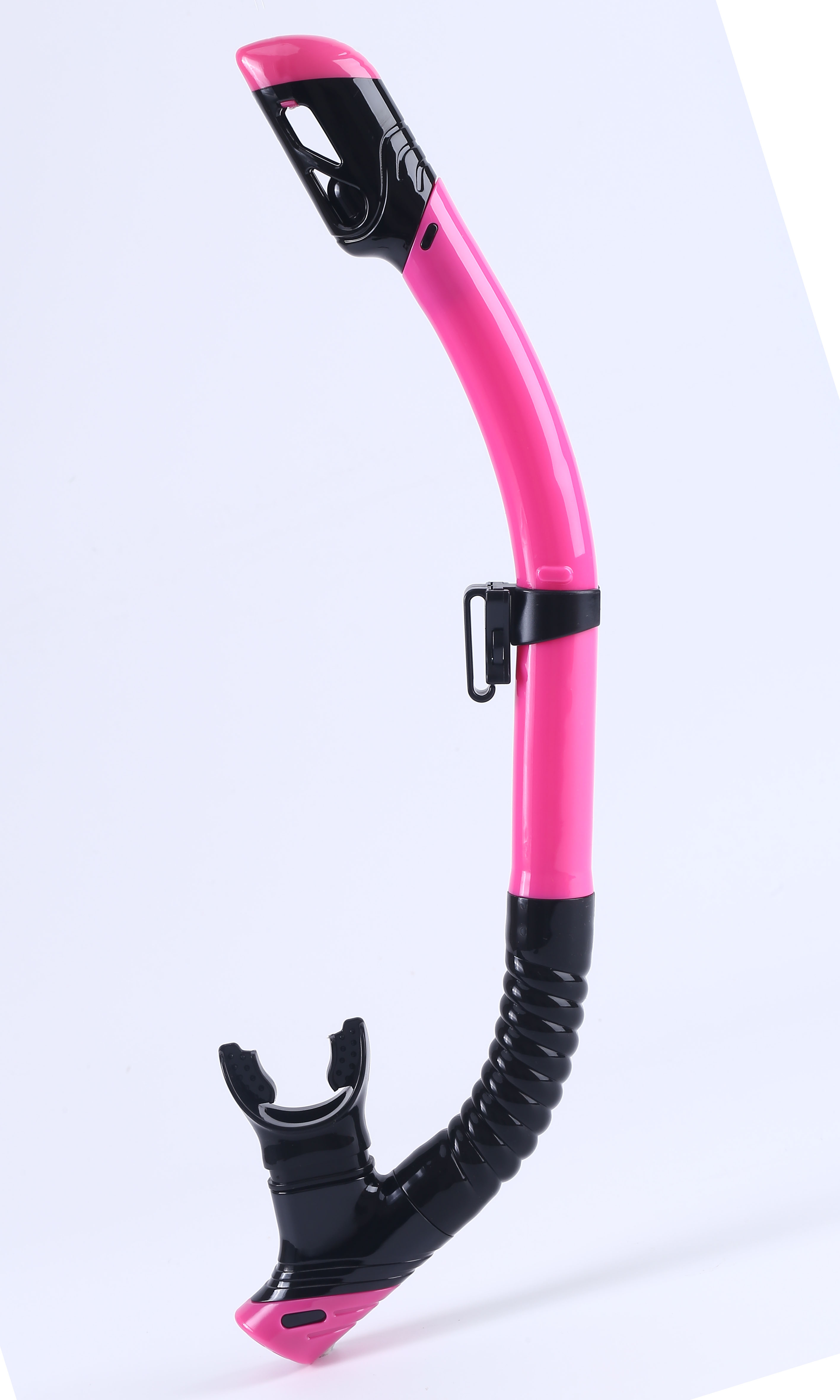
Getting a certification stamp on a regulator or dive computer is reassuring, but it doesn't tell you how the gear will hold up after a season of saltwater, sand, and rough handling. Many certified products pass controlled lab tests yet struggle in real conditions where corrosion, pressure cycles, and user error play bigger roles.
Smart divers treat certification as a floor, not a ceiling. They read maintenance logs, check recalls, and talk to technicians who actually service the equipment. A certified BCD can still have a poorly designed inflator that fails when you need it most.
In the end, certifications only reflect the version tested. Manufacturers change components or suppliers without retesting, and older certified gear may no longer meet the same standards. Relying on the badge alone can leave you unprepared for the dive you're actually planning.
From Sketch to Mold Without Losing Your Custom Vision
Turning a sketch into a mold usually means making choices that quietly erase the quirks you drew on purpose. The line that was slightly too thick, the corner that wasn't perfectly square, the texture you scribbled in a margin — these often get smoothed away in the name of manufacturability. But the heart of your custom vision lives in those imperfections.
The trick is to treat the mold not as a translator that loses nuance, but as a way to preserve your intent under pressure. Instead of starting with generic mold design rules, start with the sketch itself. Ask which three details you would fight to keep if everything else had to change. Then design the parting line, draft angles, and gate location around those details, not before them.
When you approach it this way, the mold becomes an extension of the drawing, not a compromise. The final part may not look exactly like the sketch, but it should feel like the same idea — the same gesture, the same stubbornness. And that feeling is what makes a custom product worth making.
MOQs Hide the Real Story on Pricing and Lead Times
Minimum order quantities often look like a simple gatekeeping number, but they quietly reshape how you should read a supplier's quote. A unit price that seems unbeatable can turn mediocre once you factor in the cash tied up in a large MOQ. Buyers frequently fixate on the per-piece cost while ignoring that a 5,000-unit minimum might require warehousing space you don't have or a payment schedule that strains your working capital. The real price isn't just the sticker on the item—it's the total financial commitment hidden behind that threshold.
Lead times get equally distorted by MOQs. A factory might promise a four-week turnaround, but that clock only starts after they've slotted your order into a production run sized to their liking. Smaller orders that fall below an unstated comfort zone often get pushed back repeatedly because the manufacturer prioritizes clients who hit higher volume tiers. You could be quoted the same lead time as a buyer ordering ten times your quantity, yet yours slips by weeks because the MOQ you accepted barely justifies a dedicated line setup.
The smart move is to treat MOQs as a negotiation lever rather than a fixed rule. Ask what changes if you split the order across two deliveries, or whether a slight price increase can buy you a lower minimum with the same lead time. Suppliers rarely volunteer that their published MOQ is just a starting point shaped by raw material lots or machine changeover costs. By probing how the MOQ connects to their actual production economics, you'll uncover pricing and scheduling realities that a simple quote sheet never shows.
Little Factory Floor Details That Predict Big Quality Problems
Walk any assembly line and look for the gaps where a tool should hang. A missing outline on a shadow board isn't just untidiness; someone grabbed that torque wrench and didn't put it back. Within a shift, that same station will be using an adjustable spanner "just this once," and a few days later you'll see inconsistent clamp loads on returned product.
Pay attention to the little notes taped to gauges. A peeled calibration sticker, a handwritten "do not use until checked" that's been there for weeks, or a first-off sample sitting on the corner of a bench with no date and no initials. These are signs the measurement system has stopped being trusted. When operators stop believing the gauge, they start guessing, and guesses don't hold tolerance.
Even the floor itself tells you something. A tiny puddle of cutting fluid that no one wipes up, a scatter of metal fines near a thread roller, or a scrap bin with mixed materials. None of these causes a defect by itself, but they show where discipline is already slipping. In plants with recurring quality escapes, these small physical signals usually show up months before the customer complaints do.
What Happens After the First Shipment Defines the Partnership
The first shipment is rarely the true test of a partnership. It is what unfolds in the weeks and months afterward—how discrepancies are handled, how communication flows when problems arise, and whether both sides show a genuine willingness to adapt—that separates a transactional vendor from a long-term ally. Too many companies mistake a smooth initial delivery for a solid relationship, only to discover later that the other party vanishes when inventory counts don't match or when a last-minute change request lands on the table.
Real partnerships are forged in the unglamorous follow-up: the prompt reply to a quality concern, the proactive update on a delayed container, the shared effort to trace a missing carton. These small, repeated actions accumulate into trust that no contract can enforce. Conversely, silence or defensiveness after the first shipment signals that the relationship will only hold up as long as nothing goes wrong—which, in global trade, is almost never.
What defines a partnership is not the handshake at onboarding but the behavior when the honeymoon ends. Does your supplier ask for feedback after the first order? Do they take responsibility for a mislabeled pallet without being chased? Do they remember your product specifications months later? If the answer is no, then what you have is not a partnership—it is a procurement transaction with extra steps. The companies that endure are the ones that treat the post-first-shipment period as the real beginning, not the end, of the conversation.
FAQ
Ask them to walk you through the airflow path and explain how they prevent CO2 buildup. A capable partner will mention specific valve placement, internal chamber separation, and testing protocols for breathability. If they can't describe the failure modes of a poorly sealed mask, keep looking.
The skirt is where buyers notice quality first. Look for platinum-cured silicone over peroxide-cured, since it resists yellowing and stays softer at low temperatures. Also ask about the polycarbonate grade for the lens; optical clarity and impact resistance vary widely, and cheaper grades can shatter or warp under hot sun.
For export to Europe or North America, they should offer CE marking under PPE or recreational equipment regulations, and ideally FDA registration for the U.S. market if the mask is marketed with health-related claims. ISO 9001 is a baseline for process control, but ask for recent test reports on lens impact, strap tensile strength, and silicone biocompatibility.
Many mid-sized factories will agree to 500–800 units per color if you're willing to pay a slightly higher per-unit price. Don't accept a 3,000-piece minimum just because it lowers the unit cost; that trade-off can bury you in inventory before you've validated demand. Negotiate mixed-color or mixed-size orders within the same production run.
Check the seal by pressing the mask against your face without straps and inhaling through your nose; it should hold light suction. Flex the skirt to see if it returns to shape immediately. Submerge the mask in warm water for 30 minutes and look for clouding or silicone bloom. Also compare the sample against the golden sample you approved at the pre-production stage.
Require a pre-shipment inspection by an independent third party with an AQL of 1.5 or stricter for critical defects. Specify that any component substitution—like changing the anti-fog coating supplier or the buckle material—must be re-approved in writing. Include a penalty clause for late deliveries tied to a percentage of the order value, not just a vague promise.
A dedicated snorkel mask maker often has deeper expertise in mold design and sealing geometry, but a broader diving supplier may offer better component sourcing for straps and valves. What matters more is whether they have in-house mold maintenance and a clean room for silicone molding. Visit the facility or request a live video tour before signing.
Be wary if they promise 'no MOQ' with fully custom molds, because that usually means they'll recover mold costs through inflated unit pricing later. Also avoid factories that won't share a production schedule or that deflect questions about past defect rates. A trustworthy partner will openly discuss their rejection rate and show corrective action reports.
Conclusion
Choosing a snorkel mask manufacturer rarely comes down to a single spec sheet. The real filtering starts with silicone—if a factory won't run a basic tear or compression test and show you the raw data, you're already seeing how they handle shortcuts. Certifications matter, but they're the floor, not the ceiling. Plenty of certified facilities still cut corners on strap anchors or lens bonding once production scales. That's why your custom design should survive the jump from sketch to mold without someone quietly 'simplifying' the buckle angle or skirt geometry because it's easier to machine. A good partner pushes back with engineering reasons, not convenience.
Then there's the pricing conversation. Low minimum order quantities often hide inflated per-unit costs or longer lead times once you need real volume—ask for a tiered breakdown, not just the headline MOQ. Walk the floor if you can, or request video of the molding area; little things like unlabeled silicone batches, dirty workstations, or rushed cooling cycles predict the kind of defects that only show up after a few hundred dives. And remember, the first shipment is just the start. A manufacturer that goes quiet after the invoice clears, or treats warranty claims like a favor, isn't a partner. It's a liability wearing a vendor badge.
Contact Us
Contact Person: Wendy
Email: [email protected]
Tel/WhatsApp: 86 18807398467
Website: https://www.zlfswim.com