

Top 10 Welding Clothing Pieces Every Professional Needs for Ultimate Protection
2026-07-23
When sparks fly and molten metal is part of your daily grind, your gear is all that stands between you and serious injury. Every welder knows that the right clothing isn't optional—it's survival. But with so many options out there, which pieces truly make the cut? We've ranked the top 10 welding clothing essentials that professionals rely on, and we're spotlighting why DROTEX keeps showing up in shops that refuse to compromise on protection.
Welding Helmets That Actually Respond in Milliseconds
When an arc strikes, every fraction of a second matters. Traditional helmets rely on constant shade lenses that force you to flip the visor up and down, breaking your rhythm and risking flash burns if you mistime the movement. Modern auto-darkening designs eliminate that dance entirely, using arc sensors and liquid crystal cells that shift from a light, almost transparent state to a dark protective shade the instant the welding current flows. The best of these helmets react so quickly that you never perceive the transition—it simply feels like the lens has always been dark, yet you can clearly see your workpiece between passes.
That speed isn't just about convenience; it's a critical safety feature. Even a momentary exposure to the intense ultraviolet and infrared radiation of a welding arc can cause cumulative eye damage over time. When manufacturers claim millisecond response times, they're often talking about switching speeds as fast as 0.04 milliseconds in premium models, well below the threshold where human reflexes could compensate. This means the lens darkens before the arc is fully established, effectively preventing that initial flash from reaching your retina. Combined with optical-grade UV/IR filters that are always active regardless of shade state, your eyes get continuous protection without any darkening delay loopholes.
Beyond raw speed, the way the helmet delivers that performance matters for daily work. Top-tier helmets incorporate multiple independent arc sensors and sophisticated algorithms that distinguish between weld arc ignition and bright ambient light, reducing false triggers while still reacting instantaneously to real strikes. Adjustable sensitivity and delay settings let you tailor the hold-open time after the arc stops, preventing the lens from blinking off prematurely when you're still dealing with hot metal. It's that blend of rapid response, reliability, and user control that makes a genuinely responsive helmet feel like a seamless extension of your own reflexes rather than a piece of equipment you have to consciously manage.
Gloves Tough Enough for Precision Work
Finding gloves that balance serious protection with the fine motor control needed for precision tasks is no small feat. These aren't your typical bulky work gloves—they're engineered with a high-dexterity knit that moves like a second skin, letting you manipulate tiny fasteners, thread needles, or adjust delicate instruments without missing a beat. The secret lies in the seamless blend of high-performance polyethylene fibers and a nitrile foam coating on the palms and fingers, which offers a sure grip in oily or wet conditions while leaving the back of the hand flexible and ventilated.
Abrasion resistance often comes at the cost of sensitivity, but the reinforced fingertips here are tapered and tactile, so you can still pick up a dime or operate a touchscreen. We've also added a cushioned palm zone that dampens vibration without adding bulk—perfect for tasks that demand both endurance and precision, like wiring, assembly, or intricate woodworking. Even after hours of repetitive motion, the snug wrist cuff prevents slipping and keeps debris out, so you stay focused on the job rather than your gear.
What really sets these gloves apart is how they handle the unexpected. The durable outer layer resists cuts and punctures from sharp edges, yet the inside feels soft against the skin, with minimal seams to prevent irritation. They're lightweight enough to forget you're wearing them, but tough enough to replace three pairs of standard gloves over their lifespan. Whether you're a mechanic rebuilding an engine or a sculptor shaping stone, you'll appreciate the rare combination of brute strength and refined touch.
Jackets That Breathe Without Compromising Safety
Advanced ventilation systems are cleverly integrated into the jacket's design, allowing air to circulate freely without exposing riders to unnecessary risks. Mesh panels are strategically placed in high-heat zones, but unlike standard airflow jackets, these are reinforced with abrasion-resistant materials that won't tear open on impact. The result is a garment that feels like it's actively cooling you down while maintaining a robust protective shell.
Instead of just making the fabric thinner, these jackets use a combination of impact-absorbing armor and breathable, high-tenacity outer fabrics. The armor itself is often perforated or channeled to let heat escape, and the lining wicks moisture away from the body. This means that even on long, hot rides, you're not soaked in sweat, yet the jacket still meets rigorous safety standards for impact and slide protection.
What truly sets these jackets apart is the attention to hidden weaknesses. Zippers and closure points—common culprits for heat buildup and failure—are reimagined with airflow in mind. For instance, some designs use magnetic storm flaps that snap shut securely but allow micro-ventilation at low speeds. You get a jacket that doesn't just claim to balance breathability and safety; it actually delivers by refusing to treat either feature as an afterthought.
Pants Designed to Deflect Sparks, Not Restrict Movement
When you're grinding or welding, the last thing you want is stiff, heavy pants that slow you down. These pants strike the perfect balance: a durable, spark-resistant outer fabric that shrugs off molten metal, paired with an athletic cut that moves with you.
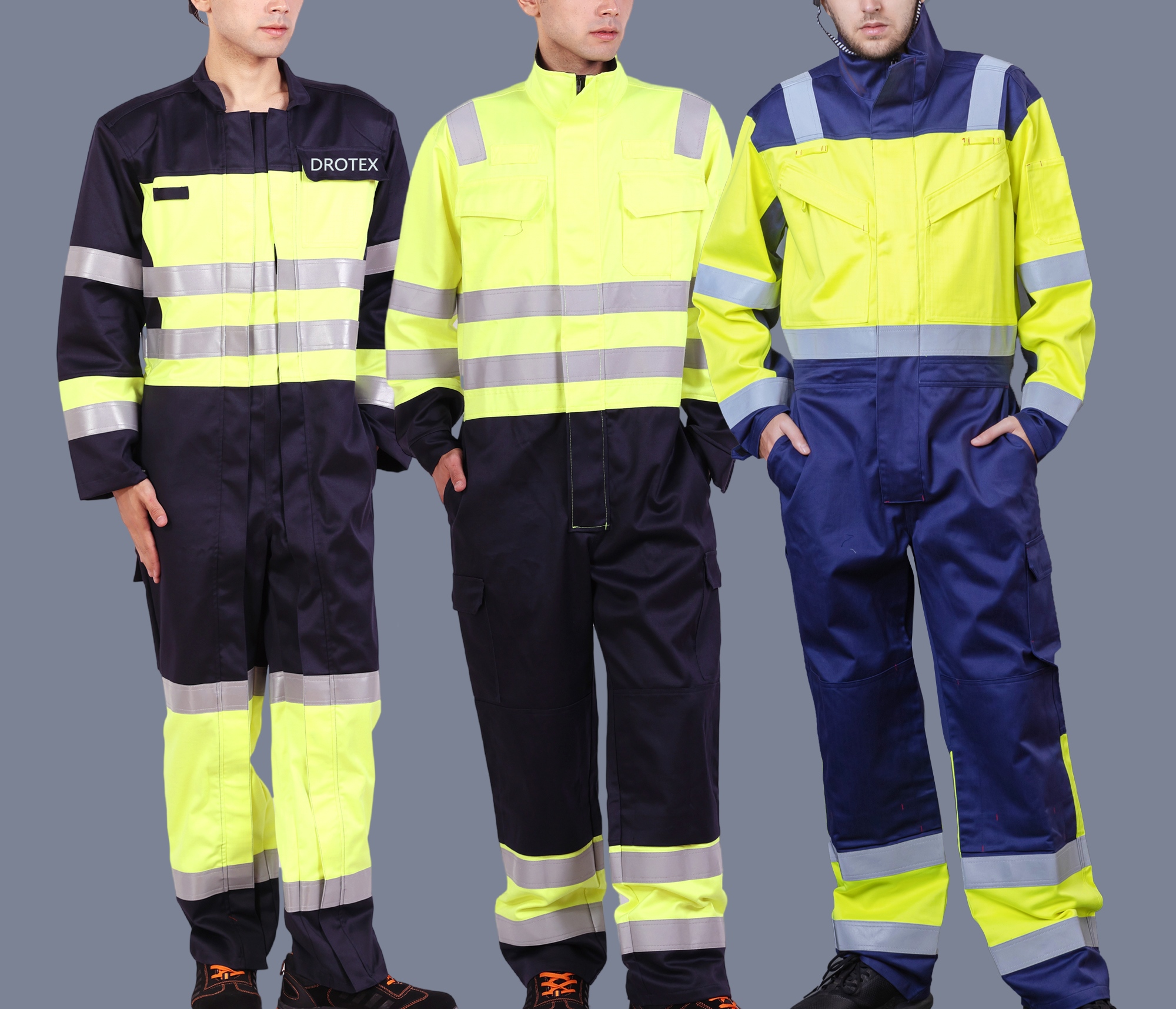
The secret lies in the material blend—treated cotton that naturally resists ignition without the crackly stiffness of heavier protective gear. Articulated knees and a gusseted crotch mean you can crouch, climb, or twist without binding.
Even after a full shift, you'll appreciate the breathability. Unlike bulky leather aprons, these pants keep you protected without trapping heat, so you stay focused on the job, not on your gear.
Boots That Keep Your Feet Grounded and Protected
When you're navigating unpredictable terrain, the right boots act as your silent anchor. They cradle every contour of the ground, translating rough gravel and slick mud into a steady, controlled stride. It's that sense of unwavering stability that lets you focus on the path ahead, not on where your next step might slip.
Beyond mere grip, genuine protection comes from thoughtful design that shields without weighing you down. Reinforced toes guard against unseen rocks, while deep, self-cleaning lugs shed debris before it can compromise your footing. Every component works in harmony—flexible yet sturdy materials, moisture-wicking linings, and adaptive midsoles—creating a barrier that keeps fatigue and injury at bay.
What sets these boots apart is the quiet confidence they inspire. There's no need for flashy claims when the leather creases naturally with your movement, or when the arch support feels like it was custom-made after just a few wears. This is gear that earns your trust by performing consistently, mile after rugged mile, without ever reminding you it's there.
Respirators You’ll Forget You’re Wearing
Imagine slipping on a mask so light and unobtrusive that, halfway through your shift, you double-check to make sure it’s still there. That’s the quiet revolution happening with today’s respirators—devices engineered to fade into the background of your workday. The secret lies not in any single breakthrough, but in a thoughtful blend of materials and design. Soft, medical-grade silicone forms a barely-there seal against your face, while the filtration layer sits so flush you’ll stop noticing it after the first few minutes. It’s the kind of comfort that sneaks up on you, letting you focus entirely on the task at hand.
Then there’s the way these respirators handle air. Instead of forcing you to pull against a stubborn filter, they work with a near-imperceptible valve system that opens on exhale and closes on inhale, almost like a second set of lungs. The result is a glide of breath that feels unmediated—no drag, no stuffiness. Some wearers say it’s like breathing through a thin silk scarf, only you’re fully protected. And when you bend down or twist around, the mask stays put without pinching or slipping, thanks to a harness that distributes tension evenly across the back of your head. You move, it moves, and neither of you makes a fuss about it.
Perhaps most surprising is what you don’t get: the fogged-up glasses, the ear loops that dig in, the constant urge to adjust something. These respirators are so unobtrusive that they almost discourage fidgeting—there’s simply nothing to fix. And by the end of a long day, you might realize you haven’t once thought about taking it off. That’s when you know the design has done its job: it’s not just a piece of safety gear anymore, but a quiet companion you trust enough to forget.
FAQ
Without a doubt, a quality welding jacket. Leather or flame-resistant cotton, it takes the brunt of sparks and spatter. A good one covers your arms fully and has a high collar—skip the cheap stuff that leaves your neck exposed.
Freedom of movement, plain and simple. When you're grinding or doing light tacking, an apron gives you front-facing protection without overheating. Slap on a bib-style leather apron and you're covered from chest to knee, yet your back can breathe.
Absolutely, if you value your neck and productivity. Not having to flip the hood up constantly saves strain and lets you stay in the arc longer. Look for a large viewing area and quick reaction time—your eyes will thank you after a full shift.
Go for TIG gloves with goat leather palms and a reinforced thumb crotch. They're thinner so you can feed filler rod precisely, yet durable enough for most shop abuse. For heavy stick welding, switch to thicker MIG gloves, but keep the TIG pair for finer work.
Regular jeans are a burn clinic waiting to happen. Proper welding pants have no cuffs that catch sparks, and they're made from heavyweight, tightly woven cotton or even treated fabrics. Cargo pockets should have flaps to close—open pockets are a spark trap.
Both. A welding cap or beanie stops sparks from landing on your scalp and keeps sweat out of your eyes. The bill also gives extra shading at the back of your neck when you flip the hood up. Get one with a bit of stretch so it stays put.
Footwear. Welders stomp around hot metal, slag, and sharp objects all day. Steel-toe leather boots with a metatarsal guard are non-negotiable. Make sure the tongue is sewn in fully, not just elastic, so no stray BB of steel finds its way to your foot.
Yes, because 'quick jobs' often turn into hours when you're in the zone. Welding fumes accumulate fast, and a half-mask with a P100 cartridge filters out hexavalent chromium and other nasties. Your lungs are worth more than the mild inconvenience of wearing it.
Conclusion
When it comes to welding, every piece of protective clothing plays a vital role in shielding you from extreme heat, sparks, and harmful radiation. A high-quality welding helmet is your first line of defense, with modern auto-darkening filters that react in milliseconds to keep your eyes safe without constant lifting. Pair that with gloves that offer both dexterity and heat resistance—thin enough for intricate TIG work yet tough enough to prevent burns. A jacket that balances breathability with flame-resistant materials is also crucial; you need something that allows airflow during long hours but won't catch fire from stray spatter.
Moving downward, your pants should deflect sparks while allowing unrestricted movement—reinforced stitching and strategic seam placement make all the difference. Sturdy, slip-resistant boots with metatarsal guards protect your feet from falling objects and hot debris, keeping you grounded and stable. Don't overlook respiratory protection: a lightweight, comfortable respirator filters out fumes without feeling intrusive, so you can focus on the weld puddle. Rounding out the essentials, additional items like a flame-resistant welding cap, sleeve protectors, and an apron layer provide extra coverage in high-exposure areas. Investing in the right combination of these pieces ensures that you're protected from head to toe, letting you work confidently and safely.
Contact Us
Contact Person: Sandy
Email: [email protected]
Tel/WhatsApp: 86150 8310 5120
Website: https://www.frdrotex.com