

Top Taper Connection Drill Bit Suppliers for Mining and Construction Needs
2026-08-17
In mining and construction, a drill bit is only as good as its connection. Taper connection drill bits might not get the spotlight, but they quietly determine how fast you cut through rock and how often you stop to swap tools. Yet most buyers still pick suppliers the same way they did a decade ago—chasing the lowest price and hoping for the best. That’s why we’ve put together this guide to the top taper connection drill bit suppliers, including PULANKA, a brand that’s been rewriting the rules on durability and cost per meter. If your next project depends on keeping the bit turning, you’ll want to read this before you order another batch.
Why Taper Connection Bits Still Hold Their Own in Hard Rock
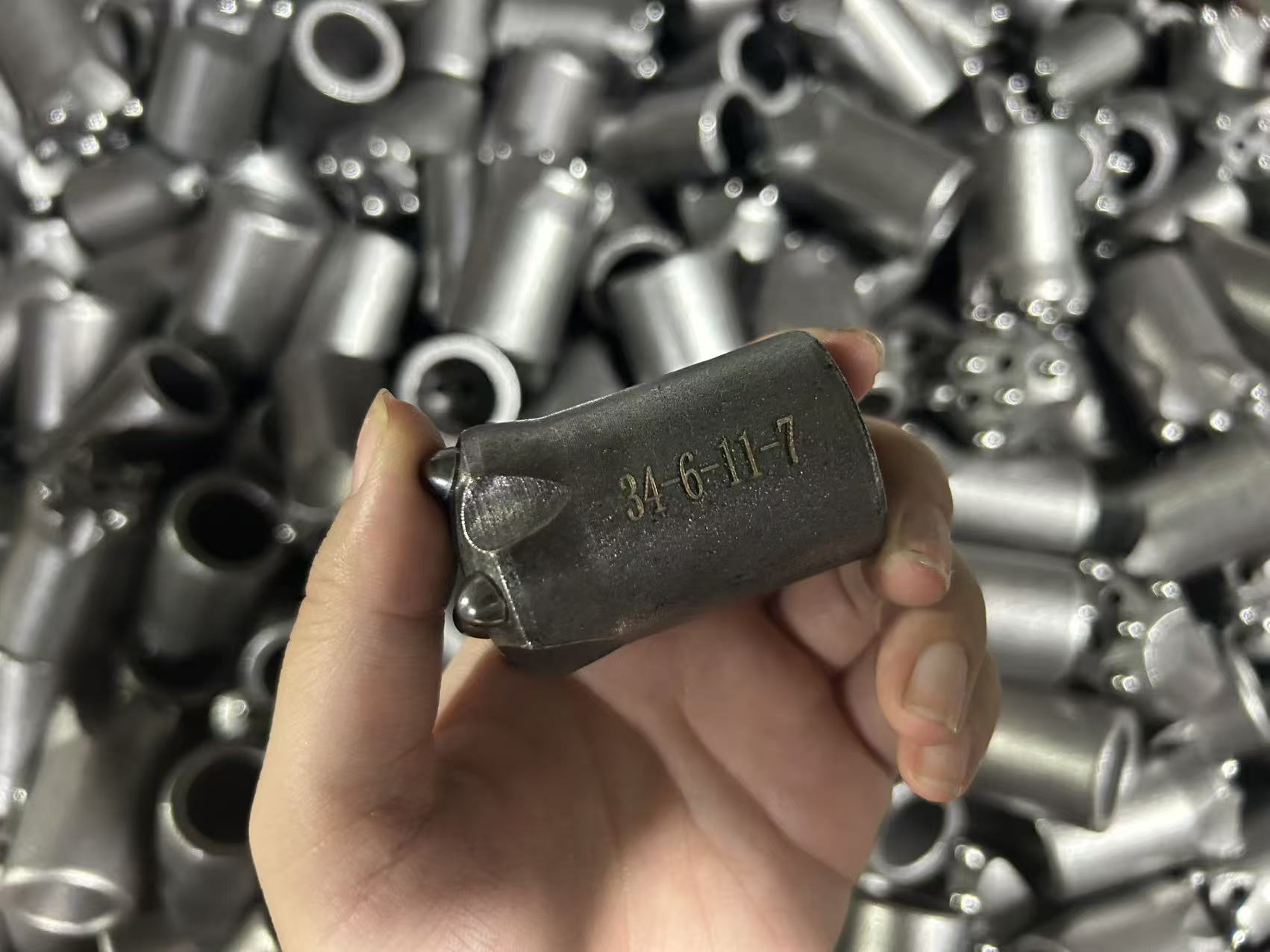
Taper connection bits have stayed relevant in hard rock not because they are high-tech, but because they are honest about what happens underground. When a drifter hammer pounds a bit into abrasive granite or quartzite, complex threaded couplings can lock up, cross-thread, or hide fatigue cracks. A taper connection, with its simple angled socket and matching shank, lets the bit find its seat under impact and holds it there without extra locking mechanisms. That direct fit also means fewer parts to inspect after a shift.
Field crews value the speed of a knock-off bit change. You do not need a breakout bench or a torque spec—just a quick tap on the side with a hammer and the worn bit drops free. In remote sites where a drill string failure can idle a crew for hours, that simplicity is worth more than any marginal gain in coupling stiffness. Taper angles are forgiving enough to tolerate small debris and misalignment, yet they transmit enough percussive energy to keep the bit cutting instead of dancing on the rock face.
There is also a practical cost equation. Hard rock dulls carbide quickly, and taper bits can be resharpened several times before the body is scrapped. The shank itself rarely wears out because the taper expands slightly under load, distributing stress away from the weakest point behind the bit. When a threaded connection would crack or seize, a taper connection tends to loosen predictably, which is exactly what you want when you are trying to get the next bit on and keep the hole advancing.
Reading Between the Lines of Supplier Quality Claims
When a supplier says they have a 'zero-defect culture,' it rarely means their production line never makes mistakes. More often, it signals a promise about how they handle failures—whether they inspect aggressively, track non-conformances, and share that data openly. The real question isn't whether defects occur, but what happens after they do. A credible supplier will walk you through their scrap rates, rework logs, and corrective action timelines without hesitation. Vague enthusiasm about 'world-class quality' without concrete defect metrics is a red flag, not a reassurance.
Another hidden layer sits inside the phrase 'cost-effective quality solutions.' That often translates to reduced testing frequency, relaxed tolerance bands, or substituting lower-grade materials while keeping the same spec sheet language. Instead of accepting the label, ask for the actual control plan: how many samples per batch, which dimensions are checked, and who signs off on non-standard concessions. The gaps between what a supplier proudly states and what their process documentation reveals are where quality risk quietly accumulates.
Finally, watch for the difference between certification and capability. A supplier can hold ISO 9001 or IATF 16949 yet still operate with unstable incoming material, high employee turnover on critical stations, or outdated gauges. Certificates confirm a system existed during an audit window; they don't guarantee daily discipline. Request recent process capability indices, first-pass yield trends, and the names of the people accountable for internal audits. If a supplier can't produce those details quickly, their quality claims are likely polished surface rather than structural reality.
What Field Reports Actually Reveal About Top Suppliers
Field reports strip away the polished brochures and expose what actually happens on a supplier's floor. The recurring patterns are rarely about price or product specs—they center on consistency. A top supplier might ship the same component on time for six months, then suddenly deliver a batch with slightly off-spec tolerances. The reports show that's usually not a fluke; it's a symptom of weak incoming material checks or an overstretched production line. Buyers who only look at sample orders miss these warning signs. The data from real delivery cycles often points to a supplier's true operational ceiling, not their best-case scenario.
Another thing the reports uncover is how suppliers handle unexpected snags. Every factory claims they can manage a rush order or a design tweak, but field notes from third-party inspectors tell a different story. Some suppliers will quietly substitute lower-grade raw materials to meet a deadline, while others will halt production and communicate the problem within hours. The difference shows up in long-term defect rates and, surprisingly, in how warehouse staff treat incoming batches—pallets from the transparent supplier tend to arrive with better labeling and fewer damaged boxes. That kind of detail never makes it into a capability statement, yet it's exactly what procurement teams end up paying for.
Perhaps the most overlooked finding is the gap between a supplier's sales team promises and their floor supervisor's reality. Field reports routinely catch mismatches: the sales engineer says they run 24/7 shifts, but the night shift logbook shows long idle windows. The report mentions a clean, well-lit assembly area, but the adjacent rework station is piled with rejected units. These are not isolated anecdotes. Over dozens of site visits, the pattern is clear—top suppliers earn that label not because they never fail, but because their failures are predictable, visible, and corrected without excuses.
Tailoring Your Supplier Search to Real Job Site Conditions
A supplier who shines in a controlled showroom can stumble badly when faced with the mud, uneven ground, and power constraints of an active construction site. Start by walking the actual terrain where materials will be unloaded and stored. Note access road widths, turning radii for delivery trucks, and whether the site has a designated laydown area or if space is contested by multiple trades. These physical realities should shape your supplier shortlist before you ever ask for a quote.
Next, look at site-specific operational limits such as noise restrictions, working hours, and local permitting rules. A supplier used to delivering on a predictable schedule may not cope with a project that can only receive goods before 7 a.m. or after 6 p.m. Ask for concrete examples of how they have adapted to similar constraints—perhaps by staging materials off-site, using smaller vehicles, or coordinating with a site logistics manager. The right supplier treats your site's quirks as design inputs, not as excuses.
Finally, evaluate how your suppliers handle weather and seasonal shifts that hit the job site directly. Rain can turn a storage area into a swamp, sun can degrade certain materials, and wind can make crane picks dangerous. A supplier who offers weather-resistant packaging, flexible delivery windows, or protective storage solutions demonstrates that they understand the difference between selling products and supporting a project in the field.
Cost Per Meter: The Metric That Separates True Value From Hype
A price per meter is the first number most buyers reach for, but it's also the easiest one to misread. Two rolls of cable, two boxes of flooring, or two spools of tubing can carry nearly identical per-meter price tags while behaving completely differently once installed. The cheaper option might have thinner insulation, lower copper purity, a wear layer that scuffs in months, or a tolerance that drifts after a few thermal cycles. The real question is not what you pay at the counter, but what each meter costs you per year of actual service.
That is where the metric separates true value from hype. A material priced at half the per-meter rate could end up twice as expensive if replacement labor, downtime, or failure risk enters the picture. Think of a commercial floor: the vinyl plank that saves three dollars per square meter on the invoice might need a full reinstallation in two years, while the unglamorous but tougher alternative keeps working for a decade. When you divide the total outlay—including fitting, tear-out, and lost use—by the meters and years you actually get, the "cheap" product often flips to the expensive side.
Equally, a high price per meter does not automatically mean quality. Some brands add cost without adding measurable performance, relying on a premium story rather than tighter tolerances or better raw inputs. The only way to use cost per meter honestly is to tie it to specifications that matter for your application: tensile strength, wear rating, insulation class, or chemical resistance. Ignore the label. Ask what the meter is built to do, how long it will keep doing it, and what happens when it stops.
Building a Shortlist Without Burning Through Field Time
Spending hours on-site with every possible candidate is the fastest way to drain your schedule. Instead, start by mining what's already in front of you: referral notes, past project summaries, or even a five-minute phone screen can reveal more than a day of shadowing. Use a simple scoring sheet with three or four non-negotiable criteria so you're not relying on gut feel alone.
Another trick is to batch the field visits that do matter. Group nearby locations or similar tasks into a single block, and keep each visit deliberately short — arrive with a clear list of behaviors to observe, not a generic tour. If someone passes the paper review and the brief check-in, only then do they earn a longer look.
Finally, protect your shortlist from scope creep. Set a cap on how many people or places you'll evaluate in person before the list is locked. When something borderline shows up, ask what new information a site visit would actually add. Often, a quick video call or a look at their latest work sample can answer the question without leaving your desk.
FAQ
Look beyond unit price. Check whether the supplier can provide bits in the exact taper angle your drill uses—commonly 7°, 11°, or 12°—and whether their carbide grades match the rock hardness on your site. Ask about lead times for replacement stock, since a stalled drill causes losses fast. Also, request field test data or references from similar rock formations rather than relying on polished brochures.
Companies like Sandvik, Epiroc, Boart Longyear, Robit, and Rockmore International consistently appear in mine site procurement lists. They maintain broad taper angle ranges and offer bits with hardened steel bodies and variable carbide button shapes. Smaller regional suppliers can also perform well if they specialize in hard-rock drilling and offer quick resharpening or replacement services. The best choice often depends on local support, not just brand recognition.
Match the taper socket angle exactly and confirm the bit diameter and thread or shank style. For instance, an 11° taper bit will not seat correctly in a 12° rod socket, leading to energy loss and early breakage. Measure the rod's taper length and compare it with the supplier's socket depth. A reputable supplier will provide dimensional drawings and may ask for rod samples to confirm fit before shipping large orders.
Ask about the grade and grain size of the tungsten carbide. In abrasive rock, fine-grain carbide with a balanced cobalt binder tends to resist wear better. Also check the button shape: ballistic buttons penetrate faster, while semi-ballistic or conical buttons often last longer in fractured ground. The bit body should have adequate flushing holes and a hardened surface to slow steel wash around the buttons.
If your site has unusual rock conditions or you need non-standard taper angles or custom button layouts, a specialized maker may be more flexible. Niche suppliers often accept small-batch orders and can adjust heat treatment or carbide placement based on your drilling logs. Large brands, on the other hand, offer consistency and global availability, but may not modify designs quickly for a single quarry or construction project.
Inspect the taper socket for fretting or cracks after each rod change. Keep the shank and socket clean—dirt acts as an abrasive and widens the fit. Rotate bits between holes if possible to even out button wear, and avoid excessive feed pressure when starting a hole. Store bits dry and coat the taper lightly with anti-seize before assembly to reduce galling.
Watch for shallow carbides, uneven button protrusion, or steel that dents easily near the taper. If the supplier cannot tell you the carbide grade or heat treatment process, that is a red flag. Also, be wary of bits that do not include a hardened taper shank, because the connection area is a common fatigue point. Request hardness testing results or a trial batch before committing to large volumes.
A cheaper bit that fails after half a shift costs more in labor, fuel, and downtime than a pricier bit that lasts several shifts. Calculate cost per meter drilled, including resharpening intervals and replacement frequency. Some suppliers offer performance-based contracts or free trial bits to prove their value. Focusing on price per bit often hides the real expense of lost drilling time on a construction site.
Conclusion
Taper connection bits still earn their place on hard rock jobs because the wedged fit handles shock and misalignment better than most threaded alternatives. However, the gap between what a supplier claims and what actually holds up underground is wide—field reports consistently show that carbide grade, brazing quality, and heat treatment matter far more than brand name. Top suppliers aren't the ones with the glossiest catalogs; they're the ones whose bits keep drilling in fractured granite and abrasive sandstone without snapping at the shank. Matching the taper angle and face design to your actual ground conditions is not a luxury—it's the difference between a bit that lasts three shifts and one that fails before lunch.
Once you look past upfront price, cost per meter becomes the only number that counts. A bit that seems cheap but dulls in half a shift destroys your budget through downtime, rod wear, and labor. Crews who track this metric find that mid-range suppliers with consistent heat treatment and responsive support often beat premium names on total drilling cost. To build a shortlist without burning days in meetings or chasing samples, narrow your list to suppliers with proven runs in rock similar to yours and ask for failure data, not just warranty terms. That single step filters out most marketing noise and leaves the top taper connection drill bit suppliers who actually deliver under mining and construction conditions.
Contact Us
Contact Person: Elma
Email: [email protected]
Tel/WhatsApp: +86 13738628777
Website: https://www.pulankagroup.com/