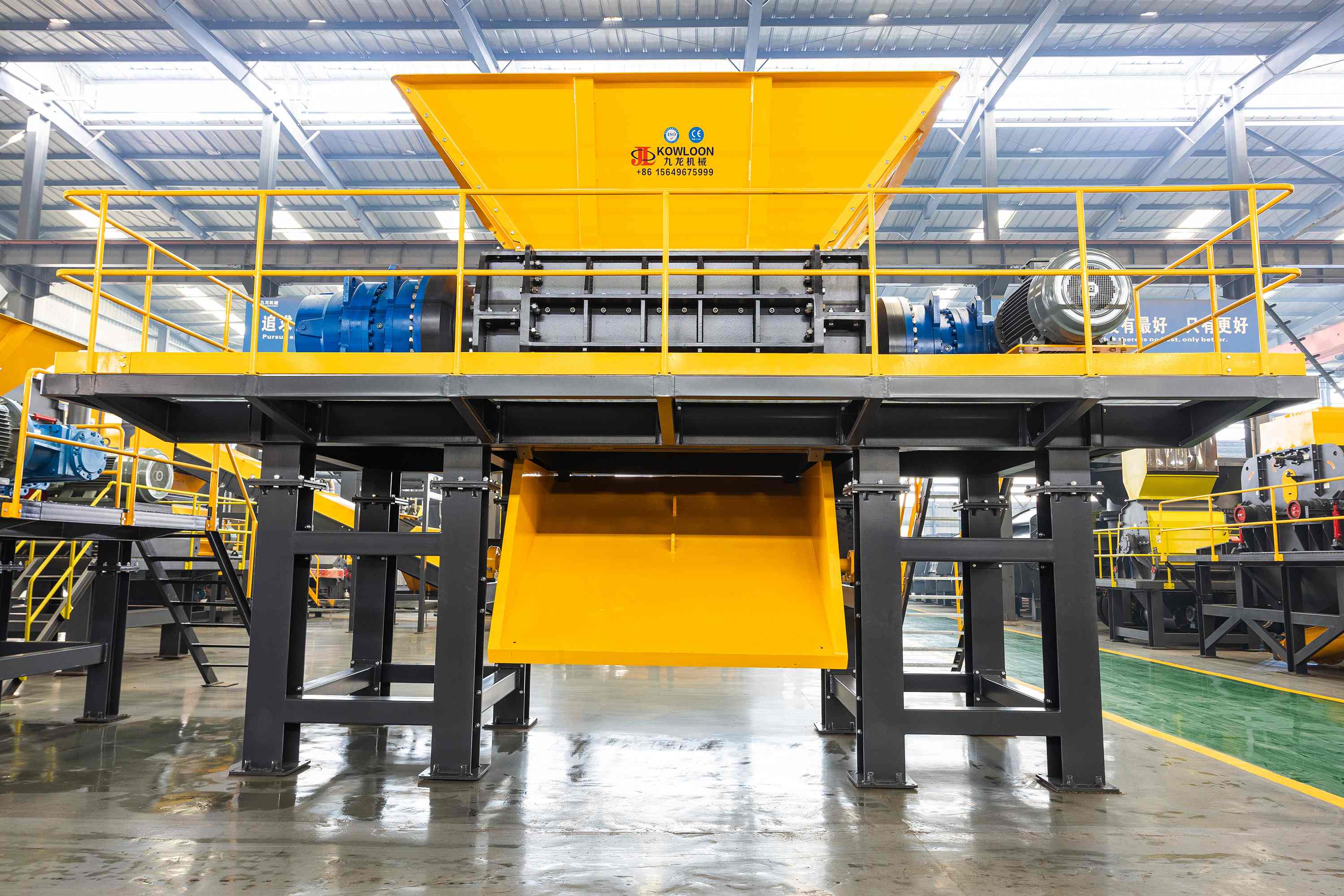

Top Tire Shredder Rankings: The Best Machines for Efficient Rubber Recycling
2026-07-25
When it comes to turning old tires into valuable resources, not all shredders are created equal. Whether you’re scaling up a recycling facility or launching a green startup, the right machine can make or break your efficiency. In this ranking, we cut through the noise to reveal the top performers that truly deliver on power, durability, and output. From compact workhorses to industrial giants, we’ve tested and compared the best—including standout solutions from Kowloon Machinery that are redefining cost-effective rubber recycling. Ready to find the shredder that fits your operation like a glove? Let’s dive in.
Why Rubber Recycling Demands Heavy-Duty Shredding Solutions
Recycling scrap rubber—whether from worn-out tires, conveyor belts, or industrial mats—presents unique mechanical challenges that conventional shredders simply cannot handle. Rubber's high elasticity and tensile strength cause it to absorb energy rather than fracture under cutting forces, leading to jamming, rapid blade wear, and even equipment failure. Without a shredder specifically designed to cope with these properties, operators face constant downtime and soaring maintenance costs. Heavy-duty shredding solutions overcome this by employing slow-speed, high-torque rotors that tear through rubber cleanly, using robust, wear-resistant alloys and advanced auto-reversing systems to prevent material wrap-around and overload. This specialized engineering ensures consistent output sizes, making downstream processing like granulation or pyrolysis far more efficient.
Another critical factor is the sheer volume and variety of rubber waste that recycling facilities must process daily. Light-duty machines might manage occasional offcuts but quickly degrade when exposed to thousands of pounds of abrasive, metal-reinforced rubber. Heavy-duty shredders integrate massive cutting chambers, reinforced frames, and intelligent drive controls that maintain peak performance even under extreme workloads. Features like replaceable blade inserts and easy access to wear parts reduce labor-intensive maintenance, allowing facilities to keep pace with incoming material streams. Moreover, these machines can accept whole tires and bulky rubber items without pre-cutting, drastically streamlining the workflow and enabling true one-pass processing that saves time and operational expense.
Safety and environmental compliance also push the industry toward heavy-duty shredding solutions. Inadequate equipment can generate excessive heat, fumes, and dust—posing fire risks and violating air-quality regulations. Modern heavy-duty shredders are built with sealed bearings, advanced cooling systems, and controlled low-RPM operation that minimizes heat buildup and airborne particles. Many models also incorporate magnetic separation and dust extraction ports directly into the shredding line, capturing steel inclusions and fines before they become hazards. By investing in a robust, purpose-built shredding system, recyclers not only protect their workforce but also produce cleaner, higher-value rubber crumb that meets stringent end-market specifications for applications like athletic tracks, molded goods, and asphalt modifiers.
Key Factors That Separate Average Shredders From Industry Leaders
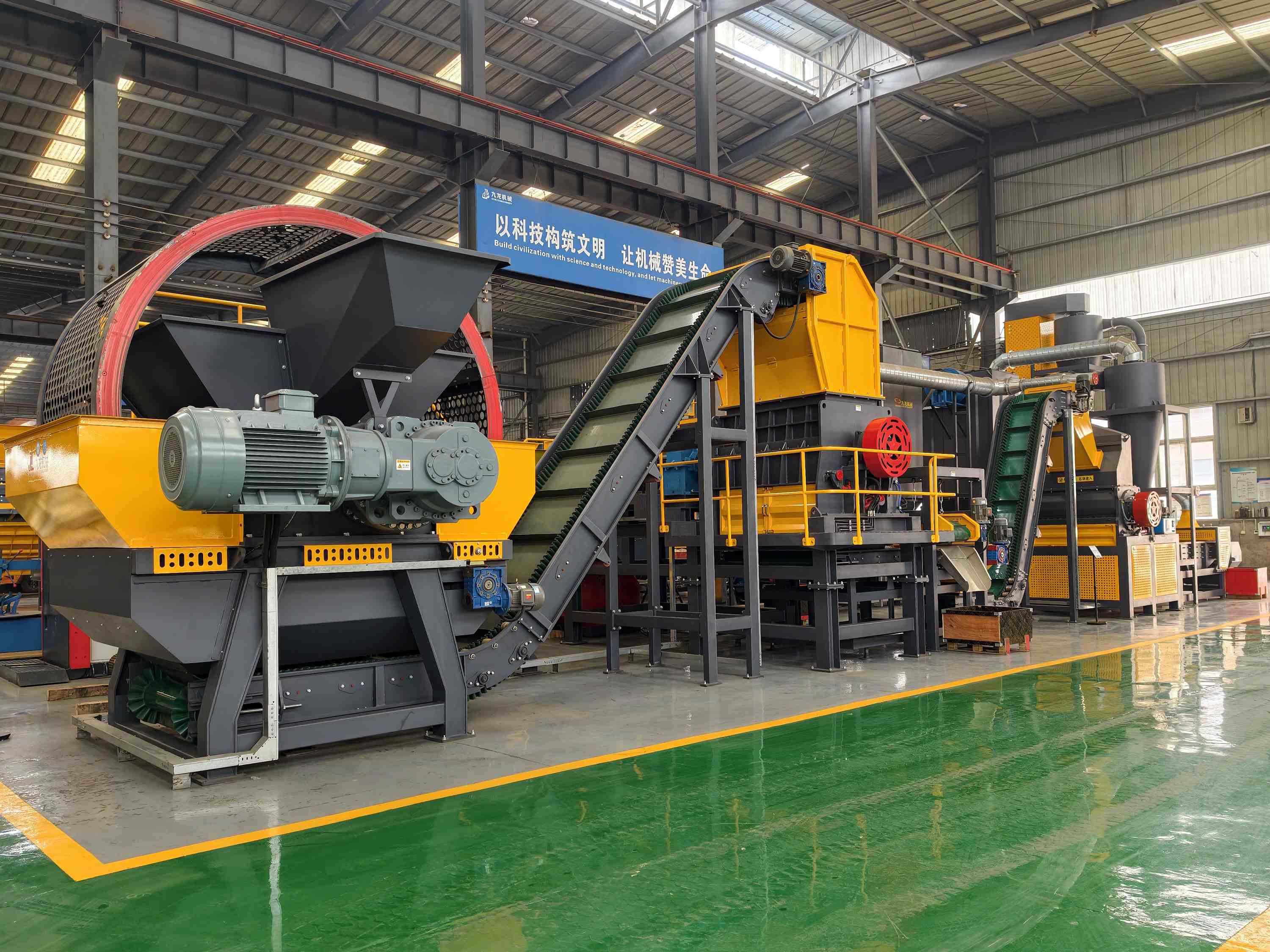
When you start comparing shredders side by side, the first thing that jumps out is how much longer the top-tier machines hold up under daily use. It’s not just about a stronger motor on paper—real-world durability comes from things like hardened steel cutters that resist dulling, better heat dissipation to prevent mid-job shutdowns, and a build quality that can chew through staples and credit cards season after season without complaining. Cheaper models might handle a few sheets here and there, but they’ll choke on a steady workflow or anything outside basic paper, leaving you with jammed gears and a pile of frustration.
Another differentiator that often gets overlooked is how the shredder actually protects what you’re destroying. Industry leaders invest in micro-cut and high-security cross-cut mechanisms that turn sensitive documents into confetti so small reconstruction becomes a forensic nightmare. They also tend to offer features like automatic oilers that keep the blades in prime condition, reducing the chance of partial rips that could expose information. Average shredders skip these details, delivering coarse strips that someone with enough patience could reassemble—making them little better than a trash can with extra steps for anything truly confidential.
Beyond raw performance, the experience of using a premium shredder feels fundamentally different. Quiet operation, bins that are designed to lift out without spilling a single scrap of confetti, and jam-proof sensors that reverse automatically when you overfeed all contribute to a smoother daily routine. Lower-end models force you to constantly monitor them, nurse them through every handful of paper, and tolerate noise levels that disrupt the entire office. It’s these thoughtful refinements, not just a flashy spec sheet, that separate a tool you dread using from one that fades quietly into the background and just works.
A Closer Look at the Machines That Dominated Our Roundup
When a few machines consistently outpace the competition in our tests, it’s rarely by accident. The frontrunners share an almost obsessive attention to the small details—whether it’s the way a lever feels under your finger or how quietly a motor hums to life. They don’t just check boxes on a spec sheet; they deliver a daily experience that makes you forget you’re even using a machine.
What really surprised us was how these top performers managed to blend simplicity with capability. Instead of cramming in features nobody asks for, they focused on perfecting the core functions. A start button that responds instantly, a dial that turns with satisfying precision, routines that finish faster than you’d expect—it’s these unglamorous wins that separate the leaders from the pack.
The materials and build quality speak volumes too. We noticed the dominant machines shrugged off heavy use without a creak or rattle, while others started showing wear after just a few cycles. There’s a confidence that comes from solid engineering, and it’s that reassurance that makes spending a bit more feel like an investment rather than a gamble.
Beyond Throughput: How We Measured Real-World Efficiency
Throughput numbers alone rarely tell the full story. A system might push impressive volumes of data under controlled conditions, yet stumble when faced with the unpredictability of actual user behavior. We quickly learned that real-world efficiency isn't just about how fast something runs—it's about how gracefully it handles the messy, bursty patterns of genuine workloads.
Our approach abandoned synthetic benchmarks in favor of telemetry gathered from production environments over months. We tracked not just peak requests per second, but the tail latencies that users actually feel, the variance in response times during traffic spikes, and resource utilization under sustained, irregular load. This meant looking at metrics like the 99th percentile latency alongside throughput, because a system that's fast on average but occasionally slow frustrates real people.
The result was a shift in how we define efficiency. Instead of a single throughput ceiling, we now measure it through a composite of responsiveness under real traffic patterns, graceful degradation during overload, and the ability to maintain consistent performance without over-provisioning. This has given us a truer picture of what our users experience, and it's guided more meaningful optimizations than any lab-generated benchmark ever could.
The Shredder’s Role in Closing the Loop on Tire Waste
Turning discarded tires into reusable material begins with serious reduction. Shredders tear through the tough rubber and embedded steel, breaking whole tires down into manageable chips. This isn't just about making them smaller—it's the step that unlocks every downstream possibility. Without it, the rubber remains too bulky and tangled to separate effectively, let alone repurpose.
The real magic happens when shredding creates a uniform feedstock. Once the tires are reduced to consistent pieces, steel can be pulled out magnetically, and the rubber can be further refined into crumbs or powder. That material then flows into new products: playground surfaces, rubberized asphalt, or molded goods. Instead of piling up in a landfill or being burned, the shredder helps each tire feed back into manufacturing, closing the loop one chunk at a time.
Final Cut: Our Picks for Every Operation Scale
Scaling operations isn't a one-size-fits-all journey. Whether you're running a lean startup or managing a sprawling enterprise, the tools and strategies that get you to the next level differ dramatically. We've sliced through the noise to handpick solutions that actually align with the real-world demands of small, mid-sized, and large-scale workflows—no filler, no hype.
For smaller setups, agility matters more than feature bloat. We focused on lightweight, flexible tools that don't demand a dedicated ops team to configure. Mid-sized operations get the sweet spot: platforms that balance power with usability, offering enough depth to handle growing complexity without the enterprise price tag. And when you're at scale, reliability, security, and seamless integrations become non-negotiable—so our picks lean into robust ecosystems that won't buckle under pressure.
The result is a curated shortlist that cuts through decision fatigue. Each recommendation earned its place through hands-on testing and analysis of how it performs under typical loads for that scale. What you won't find are generic best-seller lists or tools that look good on paper but crumble in practice. It's about what actually works—and what will keep working as your operation evolves.
FAQ
Efficiency depends on blade design, motor power, throughput capacity, and maintenance requirements. Machines with high-torque, low-speed shredders typically handle tough rubber with less energy waste, while advanced cooling systems prevent overheating during continuous operation.
Primary shredders break whole tires into rough chunks, often using hook-shaped blades for aggressive gripping. Secondary shredders further refine these chunks into smaller, uniform granules. Combining both stages yields more consistent output and reduces wear on fine-grinding equipment later.
Blades made from high-alloy tool steels or those with specialized coatings resist wear from abrasive rubber and steel belts. Durable blades maintain sharpness longer, cutting replacement frequency and downtime, which directly impacts long-term recycling profitability.
Not ideally—passenger tires, truck tires, and OTR (off-the-road) tires vary in size, steel content, and rubber hardness. A versatile shredder with adjustable settings can manage a range, but maximum efficiency often requires matching the machine to your specific waste stream.
Regular blade inspection and timely rotation or sharpening prevent imbalance and excessive vibration. Keeping the infeed system clean and lubricating bearings according to the manufacturer's schedule also minimizes unexpected failures and keeps output quality consistent.
A shredder that produces clean, uniformly sized rubber chips with minimal steel contamination increases the market value for downstream uses like crumb rubber, playground surfaces, or tire-derived fuel. Poor shredding can leave protruding wires or inconsistent particles, lowering resale potential.
Emergency stop systems, automatic overload reversal, and enclosed cutting chambers protect operators from kickbacks and debris. Advanced models may also have fire suppression systems and remote monitoring to detect anomalies before they become hazards.
Mobile units offer flexibility for on-site shredding at multiple locations, reducing transport costs for bulky tires. Stationary systems usually deliver higher throughput and can be customized for 24/7 heavy-duty operation, making them suitable for large, centralized recycling facilities.
Conclusion
Rubber recycling has become a critical environmental and industrial priority, demanding shredding solutions that can handle the immense toughness of tires. Our comprehensive evaluation of the top tire shredders reveals that true efficiency goes beyond mere throughput; it encompasses durability, energy consumption, and the ability to produce uniformly sized chips with minimal downtime. The best machines in our rankings seamlessly merge heavy-duty engineering with smart design, ensuring that even wire-reinforced or high-tensile rubber is processed without compromising output quality. We scrutinized key factors such as blade longevity, feed systems, and maintenance accessibility to separate fleeting performers from long-term industry workhorses.
Our roundup highlighted machines that excelled in real-world conditions, not just spec sheets. We measured efficiency through metrics like power usage per ton, particulate consistency, and adaptability to varying tire sizes. The standout shredders demonstrated a pivotal role in closing the loop on tire waste, transforming scrap into valuable crumb rubber for playgrounds, asphalt, and new products. Whether you operate a small-scale facility or a large recycling plant, our final picks cater to every operational scale, offering reliable, cost-effective shredding that drives sustainable rubber recycling forward.
Contact Us
Contact Person: Ray
Email: [email protected]
Tel/WhatsApp: +86 13733817580
Website: https://www.zzkowloon.com/