

Unlocking Efficiency: The Essential Guide to OEM Zero-Sequence Transformers
2026-01-08
In the world of electrical engineering, efficiency isn't just a goal—it's a necessity. As industries strive for smarter, safer, and more sustainable power solutions, one component often stands at the heart of protection and performance: the zero-sequence transformer. But what makes these transformers truly essential, and how can they unlock unprecedented efficiency in your systems? Welcome to our deep dive into OEM zero-sequence transformers, where we explore their critical role in fault detection, system balance, and operational reliability. At Lugao, we believe that understanding the nuances of these transformers is key to optimizing your power infrastructure. With decades of experience, we've seen firsthand how the right transformer can transform entire operations—reducing downtime, enhancing safety, and boosting productivity. Whether you're an engineer, a project manager, or simply curious about cutting-edge electrical solutions, this guide is crafted for you. We'll break down the complexities into clear, actionable insights, showcasing why zero-sequence technology is more than just a component—it's a game-changer. Ready to elevate your systems? Join us as we uncover the secrets to maximizing efficiency, all backed by Lugao's innovative approach and commitment to excellence. Let's power up your knowledge together.
What Are Zero-Sequence Transformers and Why OEMs Need Them
Zero-sequence transformers are specialized devices that detect and filter out zero-sequence currents, which flow when a balanced three-phase system experiences an imbalance. Unlike standard transformers, these units excel at identifying ground faults and leakage currents, providing enhanced safety and reliability in electrical installations. They work by measuring the vector sum of currents in all phases, effectively isolating any unwanted components that could compromise equipment or pose risks.
For OEMs, integrating zero-sequence transformers isn't just about compliance; it's a strategic move to differentiate their products. By incorporating these transformers, manufacturers can offer more robust protection against electrical failures, which resonates with customers seeking durable and safe solutions. This proactive approach can lead to fewer warranty claims and improved brand trust in competitive markets.
Beyond basic functionality, zero-sequence transformers enable advanced features like predictive maintenance and real-time monitoring, giving OEMs a tangible edge. As industries push for smarter, more resilient systems, leveraging such components becomes crucial for staying ahead. In short, these transformers are a subtle but powerful tool for enhancing product value and meeting evolving industry demands.
Key Design Features for Superior Performance in OEM Applications
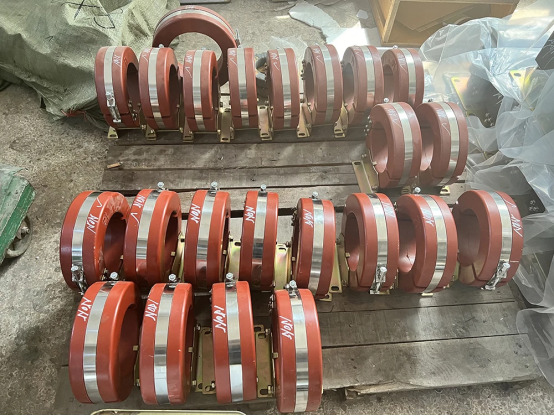
When it comes to OEM applications, performance isn't just an add-on; it's the bedrock of reliability and efficiency that fuels entire systems. At the core of superior performance lie design features meticulously engineered to withstand the rigors of industrial environments. Think of robust materials that shrug off corrosion, precision tolerances ensuring seamless integration, and thermal management systems that keep operations smooth under heavy loads. These elements aren't standard boxes to tick—they're the result of deep collaboration with OEM partners, tailored to specific needs from automotive to medical devices, ensuring every component performs flawlessly day in and day out.
What sets top-tier solutions apart is a focus on modularity and scalability, allowing OEMs to adapt designs quickly without sacrificing performance. Imagine a sensor that can be reconfigured on the fly for different production lines or a motor that scales power output based on real-time demands. This agility stems from advanced features like adaptive algorithms, smart diagnostics, and energy-efficient architectures, which not only boost uptime but also cut long-term costs. It's about designing with foresight, embedding features that anticipate future challenges, so OEMs can stay ahead in competitive markets without constant overhauls.
Beyond raw specs, superior performance in OEM contexts hinges on seamless connectivity and interoperability. In today's networked industries, features like standardized communication protocols and plug-and-play compatibility ensure components integrate effortlessly into broader ecosystems, from IIoT platforms to legacy systems. This reduces installation headaches and enhances data flow, turning individual parts into cohesive, high-performing units. By prioritizing these design nuances, manufacturers deliver more than just parts—they offer peace of mind, knowing that every feature is optimized to elevate the end product's reliability and efficiency, making it a standout choice for discerning OEMs.
Installation Tips to Maximize Efficiency and Safety
Getting your new equipment set up properly is crucial for achieving the best performance while keeping things secure. Start by carefully reviewing the manual—it might seem basic, but this step can help you avoid common pitfalls that slow down the process. Take your time to ensure all components are correctly aligned and fastened; rushing through this part can lead to inefficiencies or even hazards down the line.
Beyond the initial setup, consider factors like workspace layout and ventilation to boost both efficiency and safety. A well-organized area minimizes unnecessary movements, saving you time and reducing accident risks. For instance, keeping tools within easy reach and maintaining clear pathways can make a significant difference. Also, always double-check electrical connections and grounding to prevent overheating or shocks.
To keep things running smoothly, establish a routine for maintenance checks post-installation. Simple actions, like wiping down surfaces or tightening loose bolts, can extend the lifespan of your equipment and enhance safety. By prioritizing these practices from the get-go, you'll not only optimize performance but also create a safer environment for everyone involved.
Common Challenges in Zero-Sequence Transformer Integration
One significant hurdle in integrating zero-sequence transformers is managing electromagnetic compatibility (EMC) issues. These transformers often introduce harmonic distortions and unbalanced currents into power systems, which can disrupt sensitive electronic equipment. Engineers must carefully design shielding and filtering systems to mitigate interference, ensuring that the transformer doesn't cause unexpected faults or degrade overall grid performance. This requires precise modeling and testing under various load conditions to anticipate and resolve potential conflicts before deployment.
Another common challenge lies in the accurate measurement and sensing of zero-sequence currents, which are typically low-magnitude and can be masked by noise. Achieving reliable detection demands high-precision sensors and advanced signal processing techniques to distinguish true fault currents from background interference. Misinterpretation can lead to false trips or delayed responses, compromising system safety. Therefore, robust calibration and maintenance protocols are essential to maintain measurement integrity over the transformer's operational lifespan.
Integrating these transformers into existing infrastructure often involves complex coordination with other protection devices, such as relays and circuit breakers. Mismatches in settings or communication protocols can create coordination gaps, where faults are not isolated effectively, risking cascading failures. To address this, engineers must conduct thorough system studies and simulations to optimize interaction, ensuring seamless integration that enhances rather than hinders overall protection schemes. This collaborative approach is key to avoiding downtime and ensuring grid resilience.
How to Select the Right Model for Your Specific OEM Setup
When it comes to picking the perfect model for your OEM configuration, it's not just about grabbing the most popular option off the shelf. Think of it as a tailored fit: your setup's unique components, performance targets, and even future scalability plans all play a crucial role. Start by mapping out your specific requirements—whether it's processing power, compatibility with existing hardware, or energy efficiency. This step ensures you're not just following trends but making a choice that genuinely enhances your system's functionality and longevity.
Dive deeper into the technical nitty-gritty by evaluating how different models handle real-world scenarios. Consider factors like thermal management under load, integration ease with your software stack, and support for custom modifications. It's often the subtle differences in architecture or driver support that can make or break a seamless OEM experience. Don't shy away from testing prototypes or seeking feedback from teams who've deployed similar setups; firsthand insights can reveal pitfalls that spec sheets might miss.
Lastly, weigh the long-term implications of your selection. A model that fits today's needs but lacks upgrade paths or robust vendor support could become a bottleneck down the line. Look for options with a proven track record in OEM environments, and assess how they align with industry trends like modularity or AI integration. By balancing immediate costs with future-proofing, you'll lock in a model that not only performs now but adapts as your setup evolves, saving headaches and resources in the long run.
Future Trends and Innovations in Zero-Sequence Technology
The landscape of zero-sequence technology is shifting toward more adaptive and integrated systems, particularly in power grid stability and fault detection. Innovations now focus on real-time monitoring and predictive analytics, leveraging AI to enhance accuracy in identifying asymmetrical faults that traditional methods might miss. This evolution allows for quicker isolation of issues, reducing downtime and improving reliability in increasingly complex electrical networks.
Another emerging trend involves the miniaturization and increased sensitivity of zero-sequence sensors, enabling broader applications beyond industrial settings. These advancements are making it feasible to deploy such technology in renewable energy installations and smart grids, where subtle imbalances can signal broader system inefficiencies. As a result, zero-sequence methods are becoming a cornerstone for optimizing energy distribution and supporting sustainable infrastructure.
Looking ahead, interconnected devices and IoT integration promise to revolutionize zero-sequence technology by facilitating seamless communication across diverse systems. This could lead to more cohesive fault management strategies and enhanced safety protocols, paving the way for innovations in automated response mechanisms and real-time data sharing.
FAQ
A zero-sequence transformer detects and monitors unbalanced currents in three-phase power systems, specifically focusing on ground fault currents. In OEM applications, it's integrated into equipment like variable frequency drives or industrial machinery to enhance safety and efficiency by quickly identifying faults that conventional transformers might miss.
OEMs are adopting zero-sequence transformers due to stricter safety regulations and the need for improved system reliability. They help prevent electrical fires and equipment damage by detecting subtle ground faults early, which is crucial in sensitive environments like data centers, hospitals, and manufacturing plants.
By enabling precise fault detection, zero-sequence transformers reduce downtime and maintenance costs, leading to more efficient operations. They allow for optimized power usage by preventing energy waste from undetected faults, though they don't directly save energy like a variable-speed drive might.
Key factors include selecting the right current rating for the application, ensuring compatibility with existing control systems, and addressing space constraints within the equipment. Proper installation to avoid electromagnetic interference is also critical for accurate performance.
Yes, customization is common, involving adjustments in size, mounting options, or sensitivity levels. For instance, an OEM might request a transformer with higher accuracy for medical devices or a ruggedized version for harsh industrial environments, tailored to fit unique product designs.
Challenges include integration complexity and cost concerns. Solutions involve partnering with suppliers for technical support during design phases and conducting thorough testing to ensure reliability. Planning for long-term maintenance can also mitigate issues down the line.
Zero-sequence transformers offer superior sensitivity to ground faults compared to methods like residual current devices, which might miss low-level imbalances. They provide continuous monitoring without disrupting operations, making them ideal for critical applications where other techniques fall short.
Trends include miniaturization for compact devices, integration with IoT for real-time data analytics, and advancements in materials to improve durability. As industries move toward smarter, more connected systems, these transformers are evolving to support predictive maintenance and enhanced safety features.
Conclusion
Unlocking Efficiency: The Essential Guide to OEM Zero-Sequence Transformers delves into the critical role these transformers play in Original Equipment Manufacturer (OEM) applications, emphasizing their ability to enhance system performance by mitigating zero-sequence currents. The guide explains what zero-sequence transformers are and why OEMs need them, detailing how they address common electrical issues like ground faults and imbalances to ensure reliable operation. It covers key design features tailored for superior performance, such as robust construction and precise specifications, which help OEMs integrate these components seamlessly into their setups for improved efficiency and safety. The guide also provides practical installation tips, highlighting best practices to maximize functionality while adhering to safety standards, ensuring that these transformers operate optimally in diverse environments.
Addressing challenges in zero-sequence transformer integration, the guide offers insights into overcoming obstacles like compatibility issues and space constraints, empowering OEMs to implement solutions effectively. It advises on selecting the right model by considering factors such as load requirements and application specifics, enabling tailored choices that boost overall system efficiency. Looking ahead, the guide explores future trends and innovations in zero-sequence technology, including advancements in materials and smart monitoring features, which promise to further unlock efficiency gains for OEMs. By synthesizing these aspects, the content provides a comprehensive overview, helping manufacturers navigate the complexities of zero-sequence transformers to achieve enhanced performance and competitive advantage in their operations.
Contact Us
Contact Person: Doreen
Email: [email protected]
Tel/WhatsApp: 8618057712366
Website: https://www.liugaopower.com/