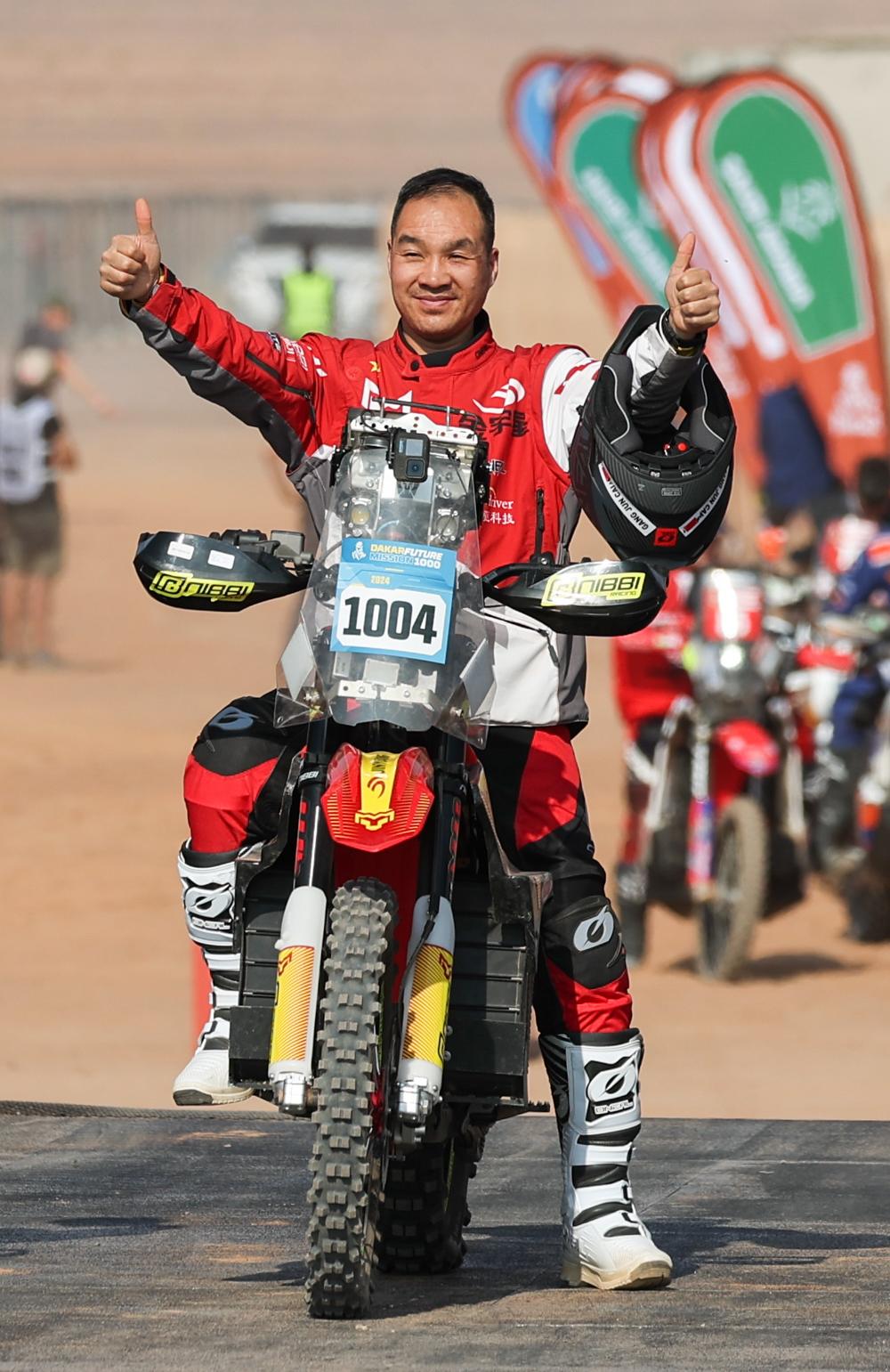

XE Pro R Electric Dirt Bike Manufacturer: A Closer Look at the Brand
2026-11-29
When most riders picture an electric dirt bike, they imagine a compromise—less noise, sure, but also less bite. The Arctic Leopard XE Pro R flips that assumption on its head. Built by a brand that seems more interested in rewriting the rulebook than following it, this machine pairs instant torque with a chassis that begs to be pushed through rutted singletrack. Instead of another spec-sheet rehash, let’s look at what the manufacturer actually gets right—and where the XE Pro R quietly outrides expectations.
The Untold Engineering Habits of This Dirt Bike Maker
Walk past the assembly floor and you will not find a single torque wrench left uncalibrated overnight. The crew here treats every frame jig like a watchmaker’s bench, shimming and re-checking until a weld gap disappears under a feeler gauge. Those habits rarely show up in spec sheets, but they are the reason a production bike can survive a season of hard enduro without the steering stem working loose.
Prototype parts get ridden until they look embarrassing. A cracked subframe, a bent lever, a footpeg mount torn from its brace—each broken piece is tagged, photographed, and hung on a wall nicknamed the bone pile. Engineers pull from that pile every Friday, arguing about grain structure and load paths over coffee. It is less a meeting than an autopsy.
The oddest ritual happens before shipment. Every bike gets a cold start at dawn and is left to idle while the mechanic listens through a length of rubber hose pressed against the cases. They are not checking for noise compliance; they are listening for the exact moment the oil thins and the valvetrain goes quiet. If it does not sound right, the bike does not leave.
Where the XE Pro R’s Power Curve Breaks From the Pack
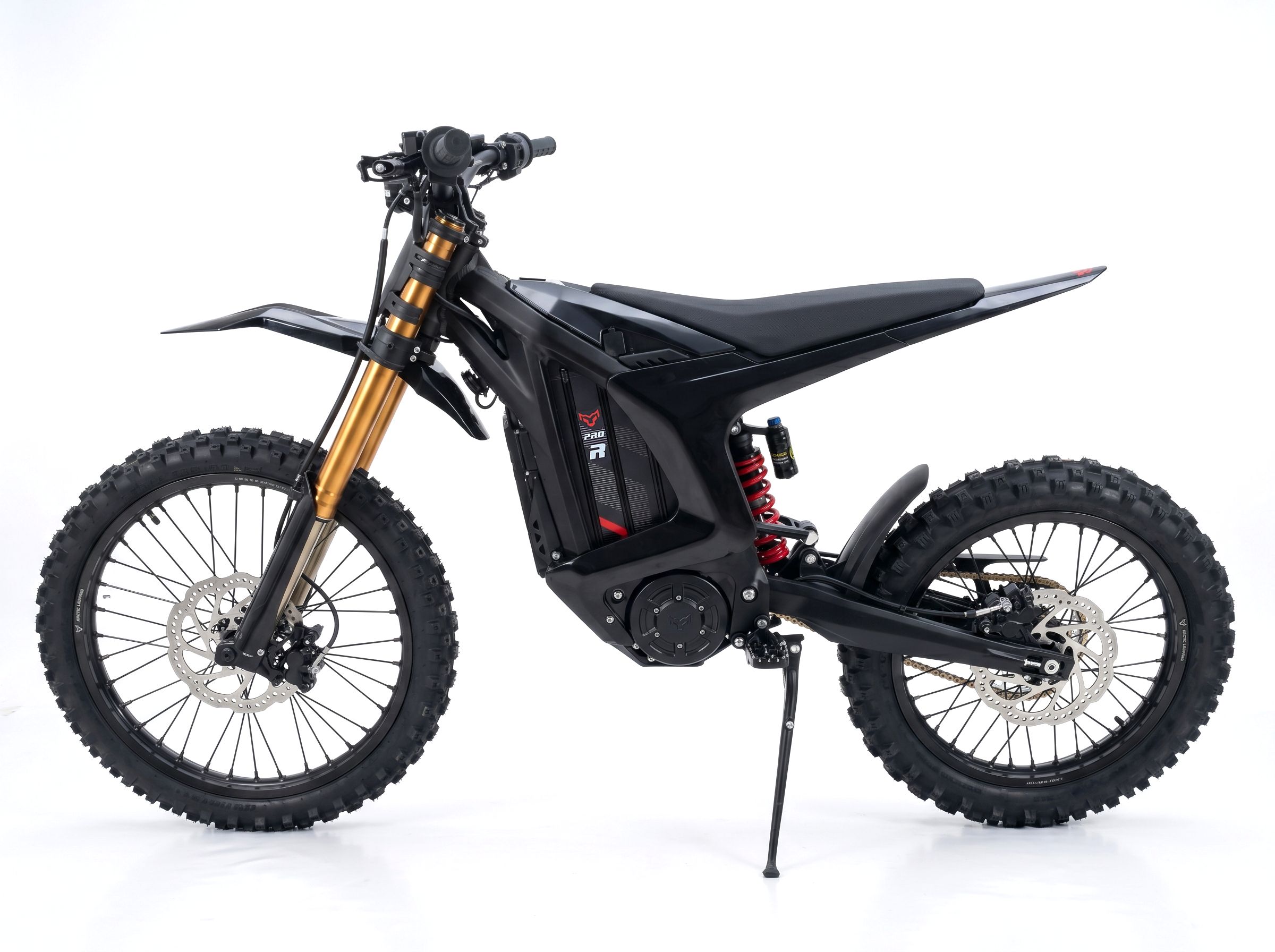
Most competitors chase a peak number that only shows up in the final 500 rpm. The XE Pro R takes a different route. From just above idle, the throttle responds with a thick, immediate shove that doesn't wait for the tachometer to climb. That low-end urgency makes tight sections and short run-ups feel less like a compromise and more like the machine is already two steps ahead.
The midrange is where the gap widens. Instead of flattening out or hesitating through the 5,000 to 7,000 rpm zone, the XE Pro R keeps pulling with a steady, almost stubborn pressure. It is not a violent hit, but a sustained push that lets you hold a gear longer and carry speed without constantly shifting to keep the engine on boil.
Up top, the curve refuses to fall off a cliff. It tapers gradually, leaving usable thrust right up to the limiter rather than turning the last 1,500 rpm into noise and vibration. That broader spread means fewer shifts, less frantic riding, and a pace that feels calmer while still moving quickly.
Why the Chassis Feels Different Within the First Mile
The first quarter mile tells you more about a chassis than a full highway loop because nothing has warmed into its designed operating window yet. Tires still carry the flat spots from sitting overnight, damper fluid remains thick, and rubber bushings have not relaxed. The result is a slightly sharper, more transparent ride where pavement texture, steering load, and body motions come through with less filtering. That initial rawness is not a defect; it is the suspension system reporting its mechanical state before heat softens the signals.
Within that same distance the steering often shifts from sleepy to precise. Cold tires scrabble for grip on the first few turns, making the front end feel heavier and more deliberate. The hydraulic or electric assistance system may also apply slightly different effort until its calibration loop settles. As the tread blocks flex and the sidewalls begin to work, the wheel loses that faint stickiness and starts responding with cleaner feedback. Watching the change happen reveals how much of modern chassis tuning is masked by temperature and time.
Most people never notice this because they are already listening to the radio or following a nav prompt. But if you drive the same route with your hands and attention on the controls, the first mile becomes a diagnostic window. It exposes bushing compliance, damping patience, and steering honesty before the car warms into a more forgiving version of itself. That early character is what separates a tuned chassis from one that merely rides well on paper.
Battery Choices That Prioritize Trails Over Spreadsheets
There is a certain kind of rider who can quote watt-hour ratings from memory but still gets caught out the moment the trail tilts up and the rear tire starts hunting for grip. Choosing a battery for real riding means ignoring the top-line range claims long enough to notice how the assist actually arrives. A smooth ramp-up, a predictable coast when you back off the pedals, and a power curve that stays useful near the bottom of the charge all matter more than an extra ten miles on a flat gravel road.
Weight distribution plays the same trick. A bulky pack that looks impressive on a chart can make the front end push wide in slow corners and make the rear feel like it is lagging behind over roots. A lower, more compact battery often disappears once you are moving, letting the bike lean and recover without extra input. That is the kind of choice you stop noticing, and on a long backcountry descent that is exactly the point.
Stress-Testing the XE Pro R Away From Pavement
The XE Pro R gets a proper workout the moment the tires leave the tarmac. We took it through loose gravel, rutted fire roads, and a few sections of washed-out trail that would rattle most bikes into submission. The suspension soaks up the harsh edges without feeling vague, and the chassis stays composed even when the rear wheel steps out mid-corner. It's not just surviving the rough stuff—it seems to enjoy it.
What stands out off pavement is how much feedback still reaches the rider. You can feel the front tire searching for grip, but the bars never get yanked out of your hands. Standing up over rocky sections feels natural, the pegs positioned low enough for leverage without dragging in ruts. After an hour of hammering through embedded rocks and loose climbs, nothing rattled loose, no warning lights flickered, and the engine temps stayed surprisingly stable.
This isn't a bike that needs a perfectly groomed trail to show its strengths. The farther you get from the pavement, the more the small design choices—the throttle map, the brake feel, the way the plastics flex instead of cracking—start to add up. It's one of the few times a press launch actually pushed us hard enough to find the limit, and the XE Pro R still had more to give.
What the Brand Learns From Riders Who Push Limits
The riders who actually push limits rarely talk about products in the way brands hope they will. They mention the strap that finally gave out after two weeks of washboard roads, the glove that stayed grippy when it was soaked, or the buckle they could still operate with numb fingers. Those offhand remarks become the brand's real design brief.
Most of the time, the takeaway isn't to add more. It's to make the essential parts work so predictably that the rider stops thinking about them. If a jacket cuff stays put across a hundred hours of rough use, that silence is the product doing its job. The brand learns to measure success by what riders forget is even there.
The deeper lesson usually shows up after a rider has fallen, packed up, and come back to try the same line months later. Continued use after failure tells the brand more than any focus group could. Durability, in that sense, has as much to do with trust as with materials—the rider believes the gear will still be worth carrying next season.
FAQ
The bike comes from a manufacturer that concentrates on electric off-road platforms rather than adapting existing gasoline frames. Their focus is on torque delivery, sealed components, and keeping the bike usable in tough terrain without the usual noise and maintenance of a two-stroke.
It uses a dedicated layout. The battery sits low and central, the motor is placed near the swingarm pivot, and the frame is designed around those parts. That gives the bike a different feel from a converted gas model, especially when cornering.
They rate the pack for a realistic mix of trail riding rather than only flat-road range. Swappable packs are available on some versions, and the charging setup is designed to work with standard outlets plus faster charging hardware for longer ride days.
It suits riders who want a quiet, low-maintenance option for trails, private land, or practice laps. Beginners appreciate the linear throttle response, while experienced riders tend to use it for skill work or places with noise restrictions.
The main difference is specialization. Instead of treating electric as a side project, this brand builds only electric dirt bikes, so details like waterproofing, throttle mapping, and frame geometry get more attention.
Yes, the routine list is much shorter. No oil changes, air filters, or carb tuning. You still check chain tension, brake pads, coolant if equipped, and suspension seals, but the overall upkeep is lighter.
Focus on swappable battery availability, real-world range at your riding pace, suspension adjustability, and whether the dealer or manufacturer offers firmware updates and replacement parts without long delays.
Conclusion
The maker of the XE Pro R behaves less like a big assembly line and more like a small race shop. Changes get tested in the frame, on the dyno, and then torn down again before they reach production. The power curve is a good example. Peak output is not the main event. The bike builds torque early and keeps the midrange flat, which gives it a calm, tractable feel on loose hills instead of a sudden hit that breaks traction. That character carries into the chassis. Within the first mile, the low-mounted battery and a slightly slower steering angle make the front end feel planted, so the bike leans into ruts rather than fighting them.
The battery strategy follows actual trail use. The pack and its management system are tuned for slow rock gardens, repeated launches out of corners, and long climbs where heat builds fast. Spreadsheet range matters less than delivering useful power until the trailhead is back in sight. Off-road testing is deliberately rough, with riders hammering through sand, mud and hardpack while the team logs suspension, motor temperature and frame stress. Feedback from riders who ride at the limit gets folded into firmware updates and hardware revisions, so the XE Pro R keeps changing after it leaves the showroom. That detail is easy to miss but hard to fake.
Contact Us
Contact Person: Jack
Email: [email protected]
Tel/WhatsApp: +86 15657688888
Website: https://www.arctic-leopard.com