

Your Guide to Wholesale High Voltage Steel Pipe Towers in China
2026-06-27
As global energy demands soar, high voltage steel pipe towers have become the backbone of modern power networks. China dominates the market with competitive pricing and engineering expertise, but navigating wholesale sourcing can be overwhelming. Whether you're scaling up a grid project or exploring cost-effective alternatives, understanding the landscape is key. At the heart of this industry,Anbang stands out as a reliable partner, blending innovation with decades of manufacturing excellence. In this guide, we’ll cut through the noise and show you exactly what to look for when investing in these critical structures.
Why Steel Pipe Towers Dominate High-Voltage Transmission
In the world of high-voltage lines, structural choice directly shapes long-term performance. Steel pipe towers have pushed aside older lattice designs for a simple reason: they handle compression and bending in ways that suit modern conductor bundles and massive spans. The closed tubular section resists twisting far better than open angles, meaning the tower stays stable under uneven ice loads or sudden gusts. This natural stiffness reduces the need for heavy cross-bracing, trimming weight without sacrificing strength. Engineers prefer them because a single steel pipe can carry the same load as a lattice panel but with fewer pieces exposed to the weather—less surface area means less corrosion risk over decades of service.
Fabrication and erection also tilt the scales toward tubular structures. Pipe sections roll off automated mills with consistent wall thickness and roundness, so every segment fits together with minimal on-site drilling or shimming. Unlike lattice towers that require hundreds of bolted connections—each a potential source of loosening and moisture ingress—steel pipe towers often use slip-fit joints or flanged couplings that assembly crews can align quickly. This speeds up installation in difficult terrain where crane time is expensive. The smooth exterior gives an added dividend: wind flows around the profile more cleanly, cutting down the vortex-induced vibrations that fatigue traditional angular frames. Less vibration translates to lower maintenance visits and fewer cracked welds.
Longevity and adaptability have cemented the dominance. Modern coating systems bond better to curved surfaces, and the absence of crevice-prone gusset plates lets rain wash away contaminants rather than trapping them. Utilities also value the slimmer footprint—a tubular tower occupies less ground than a spread-legged lattice equivalent, which matters when routing lines through agricultural land or dense forest. When upgrades are needed, the inherent capacity of a pipe section makes it simpler to reinforce with an internal sleeve or by sliding a larger pipe over the base, avoiding complete tower replacements. These practical advantages stack up decade after decade, making steel pipe the unglamorous but undisputed backbone of transmission networks.
Inside China’s Manufacturing Powerhouse for Steel Towers
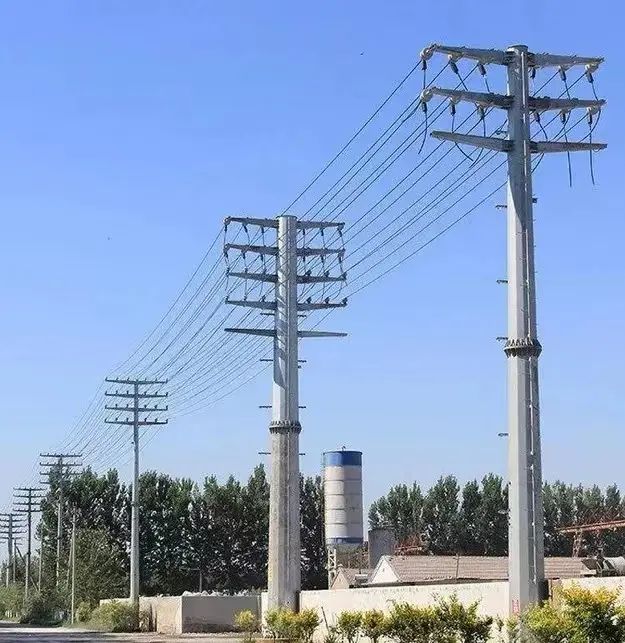
The hum of machinery and the sharp scent of molten metal fill the air as you step into one of China’s sprawling steel tower plants. Here, massive sheets of high-strength steel are cut, bent, and welded with a precision that borders on artistry. Workers move in choreographed routines, their actions honed by years of experience, while automated robots handle the heaviest lifts. It’s a fusion of human skill and industrial might that has turned the country into the world’s leading supplier of transmission and communication towers.
Beyond the sheer scale, it’s the relentless drive for efficiency that sets these facilities apart. Engineers constantly tweak production lines, experimenting with novel alloys and anti-corrosion coatings that extend tower life in harsh climates. Quality control stations dot the floor, where ultrasonic tests and laser measurements ensure every joint meets exacting standards. This obsession with durability has earned Chinese manufacturers a reputation for reliability, even in remote wind farms or coastal installations pummeled by salt spray.
What truly anchors China’s dominance, however, is a deep-rooted supply chain that runs from domestic iron ore mines to specialized logistics hubs. Components arrive just in time on conveyor belts that snake through the factory, minimizing waste. Meanwhile, research teams in adjacent labs prototype the next generation of lighter, taller structures designed to carry 5G equipment or ultra-high-voltage lines across rugged terrain. It’s a continuous cycle of improvement that keeps the export orders flowing.
Key Certifications and Standards You Should Demand
When evaluating a product or supplier, certifications tell you more than marketing claims ever will. Look for evidence that the item has passed rigorous third-party testing—marks like UL, CE, or ISO 9001 aren't just badges; they represent adherence to safety, quality, and consistency protocols that protect your investment and end users. Without them, you're taking a gamble on performance and compliance.
A genuine certification comes with traceable documentation, not just a logo on a website. Demand to see the actual certificates and verify their scope—some cover only specific components or processes, while others apply to the entire product line. Standards such as RoHS or REACH address environmental and health concerns, while industry-specific credentials like FCC for electronics or ASTM for materials ensure the item performs as expected in its intended environment. Insisting on these isn't about bureaucracy; it's about making sure what you buy does what it's supposed to, safely and reliably.
Navigating Wholesale Pricing Without Sacrificing Quality
Mastering wholesale pricing means looking beyond the sticker number. It’s tempting to chase the lowest per-unit cost, but that often leads to hidden expenses like inconsistent materials, late shipments, or rigid order terms. The real skill is identifying suppliers who offer a fair balance—where their pricing reflects reliable stock levels, clear communication, and a willingness to adapt as your needs shift. A slightly higher quote can pay off if it comes with shorter lead times and fewer headaches down the line.
Building long-term relationships flips the pricing conversation on its head. Instead of one-off haggling, approach wholesalers with a philosophy of shared growth. Be upfront about your margins, your sales cycle, and what consistency means for your business. Many suppliers will tailor tiered discounts or extended payment windows when they see your commitment. This doesn’t mean accepting poor quality; it’s about uncovering where you can both win without cutting corners on craftsmanship or safety standards.
Make quality benchmarks non-negotiable from the start. Share detailed specifications, request material samples, and confirm your inspection process before discussing volume discounts. By framing the negotiation around “value at scale” instead of just “cheapest option,” you filter out suppliers who compromise on integrity. The goal is to create a pricing model that elevates your brand, not one that forces you to apologize for what arrives in the box.
Logistics and Shipping: Getting Your Towers from Factory to Site
Moving heavy, oversized tower components from the manufacturing floor to the project site demands more than a standard freight booking. Each load requires specialized route planning to navigate tight turns, low bridges, and weight-restricted roads, often involving coordination with multiple transport authorities weeks in advance. Our team works alongside dedicated heavy-haul carriers who understand the unique requirements of wind energy logistics, ensuring that every trailer configuration—from extendable flatbeds for tower sections to step-decks for nacelles—is precisely matched to the cargo dimensions and axle weight limits.
Once the route is locked in, the real orchestration begins. We handle all port clearances, customs documentation for international shipments, and on-site unloading logistics so that components arrive in sequence, directly aligning with your erection schedule. Temporary storage yards are prepped with stabilized surfaces and crane lifting areas if direct delivery isn't possible. Every shipment is tracked in real time, with contingency plans ready for weather disruptions or unexpected road closures, minimizing the chance of costly downtime at your site.
The final mile is often the most critical—maneuvering through rural access lanes and onto soft ground requires ground-bearing assessments and specialized boom trucks or crawler cranes for final positioning. We coordinate closely with your construction manager to confirm that the receiving crew, rigging gear, and safety protocols are in place before the trucks arrive, turning a complex multi-stage journey into a seamless flow from factory to foundation.
Avoiding Common Pitfalls When Sourcing From Overseas Suppliers
Rushing into a deal without thoroughly vetting a supplier is one of the quickest ways to get burned. It’s not enough to exchange a few emails and assume everything checks out. Take the time to verify business licenses, request and actually contact references, and check for any history of disputes or quality complaints. A factory visit, whether in person or through a trusted third party, can reveal red flags that polished communication alone won’t show. The goal isn’t to distrust everyone—it’s to protect your business from the small minority who can cause major setbacks.
Another trap that catches many first-time buyers is glossing over the fine print in the contract. Payment terms, intellectual property rights, and liability for defective goods are not details to finalize with a casual “we’ll work it out later.” Vague agreements tend to favor the supplier when disputes arise. Clearly outline what happens if shipments are late, quality doesn’t match the approved sample, or the product infringes on local regulations. It’s also smart to negotiate a reasonable percentage held back until final inspection, giving you genuine leverage when problems surface.
Cultural and language barriers can quietly undercut even well-planned deals. Assuming that a “yes” means full understanding is a classic error. Take extra steps to confirm technical specs using sketches, annotated photos, or bilingual inspection checklists. Be aware that in some cultures, directly saying “no” is less common, so a supplier might overpromise rather than admit a limitation. Regular, structured check-ins that encourage open questions can bridge this gap. Building a relationship where both sides feel comfortable raising concerns early prevents small misunderstandings from becoming costly mistakes.
FAQ
They are tall, tubular-steel structures designed to support overhead power lines carrying high-voltage electricity—typically 110 kV and above. Their main job is to keep conductors safely above ground, insulate them from the tower itself, and maintain proper clearances under all weather conditions. You'll see them carrying bulk power from generating stations to substations, often across long distances.
China has an extensive, vertically integrated steel industry that allows competitive pricing without cutting corners. The country hosts dozens of specialized fabricators with modern production lines, deep experience in international projects, and the ability to deliver on short deadlines. Plus, many Chinese manufacturers already hold certifications required in Europe, the Americas, and other regions, which saves you re-certification headaches.
Start by verifying their factory physical address, production capacity, and export history—genuine manufacturers can share videos of their workshops and past shipment documents. Check for industry certifications like ISO 9001 and specific test reports from third-party labs. If possible, arrange a factory audit or ask a local agent to inspect the facility. A transparent supplier will never hide these details.
It depends on your market, but commonly recognized standards include IEC 60652 for loading tests, ASTM A572/A572M for steel grades, and EN 50341 for European projects. Many Chinese manufacturers also offer towers fabricated according to customer-specific national standards. Always request material test certificates and design compliance statements before production starts.
Most reputable Chinese fabricators work on fully custom orders. You provide the structural drawings, specified steel grades, and welding details, and they produce according to your transmitted design. Some even offer design optimization services to reduce weight without sacrificing safety. Just be ready to share your precise specifications during the inquiry phase.
Many factories have a minimum order quantity tied to raw material procurement, often starting from 100 metric tons. For small transmission lines, you might be able to negotiate a lower volume but at a higher unit cost. Once the design is frozen, production typically takes 30–60 days, plus shipping. Ocean freight to major ports worldwide can add another 15–40 days depending on destination.
The process usually includes raw material traceability, in-process dimension checks, and full-scale trial assembly of at least one complete tower. Welds are tested via ultrasonic or radiographic methods, and galvanizing thickness is measured with specialized gauges. Many manufacturers also perform load testing on sample towers to validate the design. You'll receive a complete quality dossier with each shipment.
Beyond the ex-works steel price, factor in inland transportation to the port, export packaging, and ocean freight (often quoted FOB or CIF). Don't forget import duties, customs brokerage at your end, and any local trucking to the site. It's also wise to budget for a third-party inspection service, which costs a fraction of the order value but can prevent expensive surprises.
Conclusion
Steel pipe towers have become the dominant choice for high-voltage transmission lines thanks to their superior strength-to-weight ratio and resilience in extreme weather, outperforming traditional lattice structures in both durability and ease of installation. China has emerged as the world's manufacturing epicenter for these towers, leveraging massive industrial ecosystems, cost-efficient raw material access, and decades of specialized engineering know-how to deliver products that meet international demands. But not all suppliers are equal—demanding certifications like ISO 9001, EN 1090, or AS/NZS standards is essential to ensure structural integrity and long-term performance. Smart buyers also look beyond the spec sheets to confirm a factory's track record with similar projects, reviewing weld inspections, galvanization uniformity, and material traceability before committing to an order.
Wholesale pricing in this sector is rarely a fixed number—it's a negotiation shaped by steel market trends, order volumes, and precise design requirements, and cutting costs too aggressively often backfires with hidden defects or non-compliant materials. A transparent supplier will break down costs clearly and help you balance budget targets with quality benchmarks. Logistics then take center stage: towers must be shipped in carefully bundled sections, navigating port handling challenges, ocean freight, and final-mile delivery to often remote sites, demanding close coordination and proper documentation to avoid delays. Finally, steering clear of typical sourcing traps—like falsified certifications, misleading lead times, or vague warranty terms—requires on-the-ground due diligence and a willingness to build relationships rather than just chase the lowest quote. With the right approach, wholesale procurement from China can deliver exceptional value, but only if you treat the process as a partnership built on verified quality and honest communication.
Contact Us
Contact Person: antor khan
Email: [email protected]
Tel/WhatsApp: 8613863903569
Website: https://www.qdabtower.com/